The manufacturing industry has always been a proving ground for technological advancement. From the introduction of steam-powered machines during the Industrial Revolution to the widespread use of robotics in the late twentieth century, factories have continuously evolved to improve efficiency, precision, and output. Today, artificial intelligence is emerging as the next transformative force. With rapid advancements in machine learning, robotics, and data analytics, many are asking a compelling question: will factories be fully run by artificial intelligence within the next decade?
While the idea of entirely autonomous factories may sound futuristic, the reality is more nuanced. AI is already deeply embedded in modern manufacturing processes, yet human expertise remains essential. Understanding what the next ten years may hold requires examining the current capabilities of AI, the practical limitations it faces, and the ways it is reshaping the role of the human workforce.
The Current Role of AI in Manufacturing
Artificial intelligence is no longer a theoretical concept on the factory floor. It plays a critical role in optimizing production processes, reducing downtime, and improving product quality. Machine learning algorithms analyze vast amounts of operational data to identify inefficiencies and predict equipment failures before they occur. This predictive maintenance capability alone has saved companies millions of dollars by minimizing unplanned outages.
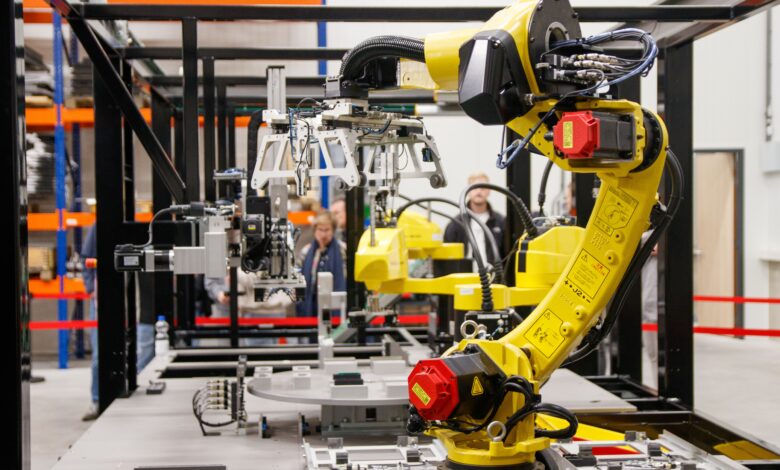
AI-powered robotics are also becoming more flexible and intelligent. Unlike traditional robots that follow rigid programming, newer systems can adapt to changes in their environment. These robots can handle complex tasks such as sorting, assembly, and quality inspection with a level of consistency that is difficult for humans to match over long periods.
Despite these advancements, most AI systems still operate within defined parameters. They are tools that assist human operators rather than replace them entirely.
The Integration of Smart Systems and Interfaces
A significant factor driving the adoption of AI in factories is the integration of digital control systems and intuitive interfaces. Modern manufacturing environments rely heavily on supervisory control platforms that provide real-time visibility into operations. Within these ecosystems, SCADA HMI solutions serve as a bridge between human operators and automated processes, allowing for efficient monitoring, control, and decision-making.
As AI becomes more integrated into these systems, the level of automation increases. Intelligent dashboards can now recommend actions based on predictive analytics, and in some cases, execute those actions automatically. This reduces the need for constant human intervention and allows operators to focus on higher-level decision-making.
However, even with these advancements, human oversight is still crucial. Operators are needed to interpret complex scenarios, manage exceptions, and ensure that systems are aligned with broader business goals.
Challenges Preventing Full Autonomy
While the progress of AI in manufacturing is impressive, several challenges stand in the way of fully autonomous factories. One of the primary obstacles is the complexity of real-world production environments. Factories often deal with variability in raw materials, unexpected equipment behavior, and changing product specifications. AI systems can struggle to adapt to these unpredictable conditions without extensive training and data.
Another challenge is cybersecurity. As factories become more connected, they also become more vulnerable to digital threats. Fully autonomous systems would require extremely robust security measures to prevent malicious interference, which could have severe operational and safety consequences.
Cost is also a major consideration. Implementing advanced AI systems requires significant upfront investment in infrastructure, software, and skilled personnel. For many manufacturers, especially small and mid-sized operations, the return on investment may not justify complete automation within a short timeframe.
The Evolving Role of Human Workers
Rather than replacing humans entirely, AI is transforming the nature of work in manufacturing. Routine and repetitive tasks are increasingly being handled by machines, allowing human workers to take on more strategic and creative roles. This shift is leading to a demand for new skill sets, including data analysis, system management, and advanced technical troubleshooting.
Training and education will play a vital role in this transition. Companies that invest in upskilling their workforce are more likely to successfully integrate AI technologies and remain competitive. Human intuition, problem-solving abilities, and adaptability continue to be valuable assets that AI cannot fully replicate.
Collaboration between humans and machines is becoming the new standard. This hybrid approach leverages the strengths of both, resulting in more efficient and resilient manufacturing operations.
Conclusion
The idea of factories being entirely run by artificial intelligence within the next decade is intriguing, but it is unlikely to become a universal reality in that timeframe. AI will continue to expand its role, automating more processes and enhancing decision-making capabilities across the manufacturing landscape. However, the complexity of industrial environments, along with economic and security considerations, means that human involvement will remain essential.
Instead of a complete takeover, the future of manufacturing is best described as a partnership between humans and intelligent machines. This collaboration will drive innovation, improve efficiency, and redefine what is possible on the factory floor.