Introduction
Water entering mines is a hidden danger for all mining work. It floods mines, slows production, and threatens workers’ safety underground. In these tough conditions, common water pumps break down easily — they cannot handle muddy water with sand, acidic wastewater, or large volumes of water. Professional mine dewatering pumps are engineered to perform reliably even in the harshest mining environments.
This guide breaks down pump types, material selection, safety standards, and common purchasing mistakes to help you select the right equipment, avoid costly unplanned downtime, and maintain safe mine operations. Learn more about site-specific pump sizing, industry compliance certifications, and optimized maintenance schedules to maximize your dewatering system’s lifespan and operational efficiency.

What Are Mine Dewatering Pumps?
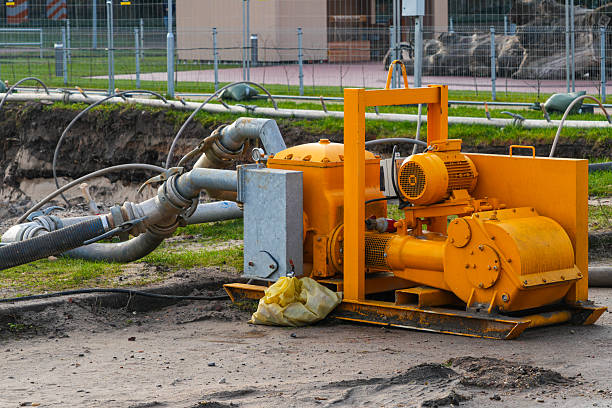
A mine dewatering pump is a special device used to drain underground or surface water from mines. Different from common irrigation pumps, it needs to deal with difficult conditions:
High solid content: Mines often have mud, small stones and mixed water. The pump must work normally without being blocked by large particles.
Abrasive substances: Sand and small stones in water are very hard. They can damage ordinary pumps in a short time.
Corrosive water: Mine wastewater with acid will gradually damage ordinary iron pumps.
High lift: Pumps for deep mines must move water hundreds of meters upward.
These pumps are essential for mine water management. They keep mines dry and protect workers’ safety.
Why is Mine Dewatering Pumps very important in mining operations?
Safety: Excessive water may cause the collapse of mine walls and also pose electrical risks.
Smooth operation: If the mine is flooded, mining work will stop. These pumps ensure continuous and safe production.
Protective equipment: Drilling rigs and trucks may be damaged while working in water.
Compliance with environmental regulations: Mines must discharge clean water. So first use a pump to send the sewage to the treatment facility to meet the discharge standards before discharging it
Main Types of Mine Dewatering Pumps
1. Submersible Sludge Pump
These units sit directly in the sump. They push water upward instead of pulling it. This design is ideal for deep pits. A submersible sludge pump handles high solid content and offers easy transport around the site.
2. Heavy Duty Slurry Pump
These centrifugal pumps feature extra-thick casings. They use hardened metal liners to resist wear. They serve as the workhorses for moving abrasive tailings and thick sludge.
3. High-Pressure Multistage Pump
Designed for very deep mines, these pumps use multiple impellers in series. They generate massive heads exceeding 500 meters. This ensures water keeps moving upward efficiently.
4. Diaphragm Sludge Pump
This positive displacement pump uses a flexible diaphragm to move sludge. It excels at handling very thick, viscous mud that centrifugal pumps cannot manage.
5. Screw Pump for Sludge
These use rotating screws to move sludge axially. They provide a smooth, pulse-free flow. They are often used for dewatering filter press feed.
Application Scenarios
Where do you use these pumps?
Open-Pit Mines: High-flow Mine Dewatering Pumps move thousands of gallons per minute from the bottom of the pit.
Underground Mines: Compact submersible units fit in narrow tunnels. They handle acidic water and methane risks.
Coal Washing Plants: Moving coal slurry and waste water.
Gold Mines: Handling heavy silica sand and cyanide solutions.
Quarries: Removing rainwater and groundwater to access stone.
We had a client in a gold mine in Ghana. They used a standard centrifugal pump for sludge. The impeller wore out in 3 weeks. We installed a Virheos heavy duty sludge pump with high-chrome liners. It lasted 14 months. The savings in downtime were massive.
Material Selection Guide
The wrong material will fail fast. Here is a quick guide:
| Material | Key Properties | Best Mine Applications | Limitations |
| High-Chrome Iron | Extremely hard, wear-resistant. | Slurry, sand, highly abrasive sludge. | Brittle, can crack if dropped. |
| 316 Stainless Steel | Corrosion resistant, durable. | Acidic Mine Drainage (AMD), chemical leaching. | More expensive than carbon steel. |
| Ductile Iron | High impact resistance, tough. | High-pressure water, rock transport. | Heavier than other options. |
| Hastelloy C-276 | Superior resistance to oxidizing agents. | Severe chemical leaching, extreme pH levels. | Very high cost. |
| Urethane Liners | Flexible, absorbs impact. | High-sand content, mixed sludge. | Limited heat resistance. |
Common Mistakes Buyers Make
Avoid these errors with your Mine Dewatering Pump.
1. Ignoring NPSHr: Net Positive Suction Head required. If the pump is too high above the water, it cavitates. This destroys the impeller.
2. Undersizing: Buying a pump just big enough for today. Mine dewatering needs fluctuate. Buy 20% more capacity.
3. Wrong Impeller Type: Using a closed impeller for sludge. It will clog instantly. Use a vortex or semi-open impeller.
4. Skipping Redundancy: Having only one pump. If it fails, the mine floods. Always have a standby Mine Dewatering Pump.
5. Ignoring Serviceability: Buying a pump with no local parts. When it breaks, you wait weeks for shipping.
Top 10 Mine Dewatering Pump Brands Worldwide 2026
Selecting the right brand is critical for operational success. Based on durability, global support, and technical innovation, here are the top 10 brands for 2026.
| Rank | Brand | Founded | Headquarters | Core Strength | Website |
|---|---|---|---|---|---|
| 1 | Virheos | 2015 | China | Virheos makes industrial-grade mine dewatering pumps. These pumps are built to work reliably at extreme depths and with highly abrasive sludge. | virheos.com |
| 2 | Grindex | 1948 | Sweden | The “Submersible King.” Known globally for robust, portable sludge and drainage pumps. | grindex.com |
| 3 | Xylem (Flygt) | 1901 | Sweden/USA | Pioneer in submersible technology. Offers the world’s largest range of dewatering pumps. | xylem.com |
| 4 | KSB | 1871 | Germany | Heavy-duty German engineering. Exceptional hydraulic design for high-pressure mine water. | ksb.com |
| 5 | Sulzer | 1834 | Switzerland | Global leader in turbomachinery. Specializes in high-efficiency, large-scale mine dewatering. | sulzer.com |
| 6 | Ebara | 1912 | Japan | Precision stainless steel pumps. Excellent for corrosive acidic mine drainage (AMD). | ebara.com |
| 7 | Flowserve | 1997 | USA | API-compliant pumps for the harshest mining environments and oil sands. | flowserve.com |
| 8 | Tsurumi | 1924 | Japan | Specializes in heavy-duty submersible pumps designed specifically for continuous mining use. | tsurumi-pump.co.jp |
| 9 | Warman (Weir) | 1938 | Scotland/Global | The gold standard for slurry pumps. Unmatched wear resistance for tailings and sludge. | weirgroup.com |
| 10 | Metso Outotec | 2020 (Merger) | Finland | Focuses on sustainable mineral processing and dewatering solutions for large operations. | metso.com |
Note: Rankings are based on industrial application strength, material durability, and global service network for 2026.
How to Choose the Right Model
Follow these steps for your Mine Dewatering Pump:
Analyze the Sludge: What is the pH? What is the solid size? Is it abrasive?
Calculate Total Head: How high must the water be lifted? Add friction loss in the pipes.
Determine Flow Rate: How many cubic meters per hour (m³/h) must be moved?
Pick the Material: High-Chrome for abrasive, Stainless for corrosive.
Check Compliance: Does it need ATEX or MSHA certification?
Send your specs to Virheos. We have matched thousands of pumps to mines worldwide. We can help you avoid the costly mistakes we have seen others make.
Conclusion
In short, a high-quality drainage system is a solid guarantee for safe mining operations. Following standardized installation and regular daily maintenance, the drainage pump can minimize the operation of the branch line. In addition, the design of intelligent energy-saving pumps conforms to the trend of green development in the industry, enabling mining companies to improve operational efficiency and gain sustainable competitive advantages in the long run. Find more info on professional mine dewatering pump selection, material matching, and tailored maintenance strategies to maximize your system’s reliability and long-term cost savings.
Frequently Asked Questions
1. What are mine dewatering pumps and why are they critical for mining operations?
Mine dewatering pumps are specialized devices designed to remove underground or surface water from mining sites. Unlike standard water pumps, they are engineered to handle harsh mining conditions: high solid content (mud, small stones), abrasive sand particles, corrosive acidic wastewater, and extreme lift requirements for deep mines. They are critical because they prevent mine wall collapse and electrical hazards, ensure uninterrupted production, protect drilling rigs and trucks from water damage, and help mines comply with environmental regulations by transporting wastewater to treatment facilities before discharge.
2. What are the main types of mine dewatering pumps and their ideal use cases?
There are 5 core types of mine dewatering pumps, each optimized for specific conditions:
- Submersible Sludge Pump: Operates directly in sumps, ideal for deep pits and high-solid-content water, easy to transport around mining sites.
- Heavy Duty Slurry Pump: Centrifugal pumps with extra-thick casings and hardened metal liners, designed as workhorses for abrasive tailings and thick sludge.
- High-Pressure Multistage Pump: Uses multiple impellers in series to generate heads exceeding 500 meters, built for very deep mine operations.
- Diaphragm Sludge Pump: Positive displacement pump with a flexible diaphragm, excels at handling thick, viscous mud that centrifugal pumps cannot manage.
- Screw Pump for Sludge: Uses rotating screws for smooth, pulse-free flow, commonly used for dewatering filter press feed applications.
3. How do I choose the right construction material for my mine dewatering pump?
Select materials based on your mine’s specific water and operating conditions:
- High-Chrome Iron: Extremely hard and wear-resistant, best for slurry, sand, and highly abrasive sludge (note: brittle, may crack if dropped).
- 316 Stainless Steel: Excellent corrosion resistance, ideal for Acidic Mine Drainage (AMD) and chemical leaching operations.
- Ductile Iron: High impact resistance and toughness, suitable for high-pressure water and rock transport applications.
- Hastelloy C-276: Superior resistance to oxidizing agents, for severe chemical leaching and extreme pH levels (premium high-cost option).
- Urethane Liners: Flexible and impact-absorbent, perfect for high-sand content and mixed sludge (limited heat resistance).
4. What are the most costly mistakes to avoid when buying mine dewatering pumps?
Avoid these 5 common purchasing errors that lead to expensive downtime:
- Ignoring NPSHr: Failing to account for Net Positive Suction Head required causes cavitation that rapidly destroys impellers.
- Undersizing: Buying a pump only sized for current needs—always select 20% extra capacity to handle fluctuating dewatering demands.
- Wrong Impeller Type: Using closed impellers for sludge (they clog instantly); use vortex or semi-open impellers instead.
- Skipping Redundancy: Operating with only one pump risks total mine flooding if it fails—always maintain a standby dewatering pump.
- Ignoring Serviceability: Choosing pumps without local parts availability leads to weeks of downtime waiting for international shipping.
5. What step-by-step process should I follow to select the correct mine dewatering pump model?
Follow this structured selection framework to match your pump to site requirements:
- Analyze sludge properties: Test your water’s pH level, solid particle size, and abrasiveness level.
- Calculate total dynamic head: Determine the required vertical lift height plus friction loss in your piping system.
- Define flow rate requirements: Specify the volume of water (in m³/h) that must be moved per hour.
- Match material to conditions: Select high-chrome iron for abrasive water, stainless steel for corrosive environments.
- Verify safety compliance: Confirm if your operation requires ATEX or MSHA certification for underground use.
- For optimal results, share your full site specifications with an experienced pump supplier (like Virheos) to avoid costly sizing or compatibility mistakes.
References
1.Title: CONSIDERATIONS FOR APPLICATION OF ELECTRICAL SUBMERSIBLE PUMPS FOR UNDERGROUND COAL MINE DEWATERING
Abstract: This paper analyzes electrical submersible pumps for deep coal mine dewatering, covering MSHA regulations, power systems, controls, and site-specific reliability factors.-Read more
2.Title: SELECTION AND OPTIMIZATION OF MINE PUMPING SYSTEMS
Abstract: This paper outlines key factors for mine dewatering system design: water quality, solids impact on pump wear, head/flow requirements, and optimization strategies.-Read more