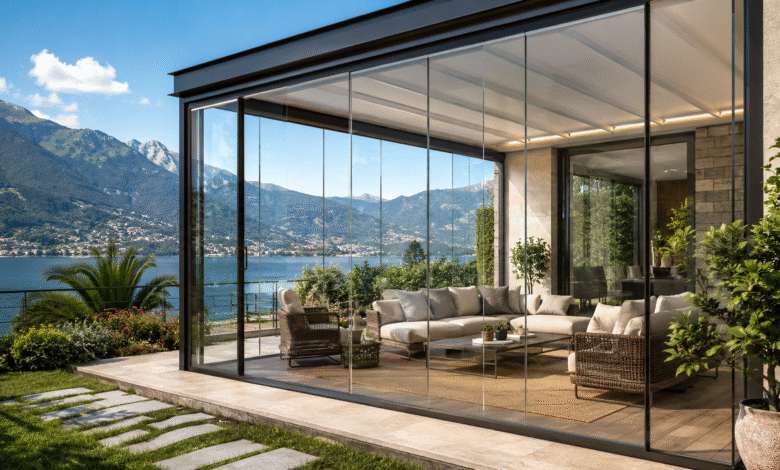
Discover how glass enclosures make patios, terraces and porches more comfortable, protected and usable through the year.
Outdoor spaces have changed a lot in recent years. A patio is no longer just a place for a chair, a table and a few sunny weekends. For many homeowners, architects and commercial property owners, it has become a natural extension of the building itself. And this is exactly why glass enclosures are getting so much attention.
When planned well, a glass enclosure can protect an outdoor area from wind, rain and dust while keeping the open, bright feeling that people love about being outside. It does not close the space in a heavy way. Instead, it creates a more controlled and comfortable environment without cutting the visual connection with the garden, street, terrace or surrounding landscape.
Of course, choosing the right system is not only about appearance. Glass type, frame quality, opening style, thermal comfort, installation precision and supplier reliability all matter. A beautiful project can quickly become frustrating if the details are not considered from the beginning. We have seen this many times in outdoor living projects: the best results usually come from simple, practical planning before any product is selected.
What Are Glass Enclosures?
Glass enclosures are architectural systems designed to surround or partially protect outdoor and semi-outdoor areas with glass panels. They are commonly used for patios, terraces, porches, balconies, restaurants, cafés, hotels and garden seating areas.
The main idea is simple: you keep the visual openness of an outdoor space, but you improve its protection and usability. In a typical open patio, weather conditions decide how often the area can be used. With outdoor glass enclosures, the space becomes more predictable, more comfortable and, honestly, more enjoyable.
These systems may include fixed glass panels, sliding glass systems, folding glass panels or a combination of different solutions. Some projects focus mostly on wind and rain protection. Others are designed for year-round use, better thermal comfort or a more elegant architectural appearance.
Why Patio Enclosures Are Becoming So Popular
People want more value from their buildings. A terrace that sits empty half of the year feels like wasted space. A restaurant garden that cannot be used on windy days means lost seating capacity. A family patio that becomes uncomfortable after sunset is, well, not really living up to its potential.
This is where patio enclosures become a smart option. They help transform an exposed outdoor area into a more functional space without completely removing its outdoor character.
They Protect the Space Without Blocking the View
One of the strongest advantages of glass patio enclosures is transparency. Traditional walls may protect a space, but they also make it feel smaller and darker. Glass works differently. It creates a barrier against weather while allowing natural light and panoramic views to remain part of the experience.
For homes, this means a patio can still feel connected to the garden. For cafés and restaurants, guests can enjoy the outside atmosphere even when the weather is not perfect. For hotels, terrace enclosures can create comfortable guest areas that feel premium without being overly formal.
They Extend Seasonal Use
A glass enclosed patio can be used in more months of the year compared with a fully open patio. It can reduce the discomfort caused by sudden wind, light rain, dust or cooler evening temperatures. In some climates, this difference is huge.
Let’s be realistic, though. A glass enclosure is not automatically the same as a fully insulated indoor room. Its performance depends on the glass, frame, sealing details, roof system and heating or ventilation choices. Still, even a well-designed basic enclosure can significantly improve daily comfort.
They Add Architectural Value
Modern buildings often use clean lines, wide openings and bright spaces. Glass enclosures fit this design language naturally. They do not fight with the architecture; they usually support it.
For residential projects, glass porch enclosures can make an entrance or sitting area look more refined. For commercial properties, patio glass enclosures can make outdoor areas look more organized, professional and inviting. And in higher-end projects, the visual difference is immediately noticeable.
Glass Patio Enclosures vs. Glass Patio Covers
People sometimes use terms like glass patio covers, patio cover glass and glass enclosures as if they mean the same thing. They are related, but not identical.
A patio cover usually protects the area from above. It may provide shade, rain protection or partial weather control. A full glass enclosure, on the other hand, can include side protection as well. That means it can help with wind, rain direction, dust and general comfort around the space.
When a Patio Cover May Be Enough
A simple cover may be suitable if the main issue is sun or rain from above. For example, a small garden seating area may only need a roof-like solution to become more usable. In this case, adding full side glass may be unnecessary.
However, if the area is exposed to wind from different directions, or if the owner wants a cleaner, more controlled outdoor living space, then a cover alone may feel limited after a while.
When a Full Glass Enclosure Makes More Sense
A full or partial glass enclosure for patio areas becomes more useful when comfort and flexibility are priorities. This is especially true for restaurants, hotel terraces, coastal homes, roof terraces and urban patios where wind and dust are common problems.
In these cases, glass systems do more than protect. They define the space. They make it feel intentional, finished and ready for regular use.
Where Can Glass Enclosures Be Used?
One of the reasons glass enclosures are so popular is their flexibility. The same basic idea can be adapted to different building types and usage needs.
Residential Patios and Gardens
For homeowners, a patio often has emotional value. It is where family breakfasts happen, where guests gather, where a quiet coffee tastes better. A properly designed enclosure makes these moments less dependent on perfect weather.
Glass patio enclosures can also help create a smoother transition between the indoor living room and the garden. The result feels open, calm and more practical for everyday life.
Porches and Entrance Areas
Glass porch enclosures are often used to protect entrance zones from wind and rain. They can also give the front of a building a cleaner look. This is a small detail, maybe, but small details shape first impressions.
In colder or windy regions, porch enclosures may also reduce direct exposure at the doorway, making the entrance area more comfortable.
Terraces and Roof Areas
Terrace enclosures can be especially valuable in apartments, hotels and commercial buildings. Roof terraces usually have excellent views, but they are also more exposed to wind. Glass helps control that exposure while keeping the view open.
For property owners, this can turn an underused roof or terrace into a more active and attractive area. For businesses, it can increase usable seating or event capacity.
Pergolas and Semi-Open Structures
A pergola glass enclosure can make a semi-open structure much more functional. Pergolas are beautiful, but depending on their design, they may not provide enough protection on their own. Adding glass panels can improve comfort without ruining the light, open feeling.
This approach is often preferred in garden restaurants, poolside seating areas, villa patios and boutique hotel projects.
Key Factors to Consider Before Choosing a Glass Enclosure
Choosing glass enclosures is not something to rush. A system that looks good in a photo may not be the right fit for every project. The practical details matter more than they first appear.
Glass Type and Safety
Safety should always come first. Tempered glass and laminated glass are common options in enclosure projects because they are designed to perform better than ordinary glass under stress. The right choice depends on the location, height, exposure and project requirements.
For areas with strong wind, heavy use or commercial traffic, glass selection becomes even more important. Nobody wants a system that looks elegant but feels fragile. That would defeat the whole purpose.
Frame Material and Durability
Aluminum frames are widely preferred in modern enclosure systems because they are durable, stable and suitable for outdoor conditions. A strong frame helps the glass panels perform properly over time.
Frame quality also affects how the system looks after years of use. Poor surface quality, weak connections or unsuitable materials can create problems later. In our view, this is one of the places where project owners should not cut corners.
Opening Style and Daily Use
Not every area needs the same opening system. Sliding glass systems may work well where space is limited. Folding systems can open wider sections when flexibility is needed. Fixed panels may be enough for areas that mainly need wind protection.
The best choice depends on how people will actually use the space. Will the patio be opened daily? Is ventilation important? Does furniture placement limit panel movement? These simple questions can prevent many design mistakes.
Thermal Comfort and Ventilation
Thermal comfort is not only about keeping a space warm. It is also about avoiding overheating, condensation and poor air circulation. A glass enclosed patio needs fresh air movement, especially in sunny climates.
That is why ventilation should be considered early in the project. Openable panels, roof vents, shading elements and heating options may all affect the final comfort level.
Installation Precision
Even a high-quality system can perform poorly if installation is not precise. Measurements, floor slope, drainage, connection points and sealing details all influence the final result.
For commercial and international projects, this becomes even more critical. Delays, wrong measurements or unclear technical communication can create unnecessary costs. A reliable supplier should understand this from the start.
Why Supplier Selection Matters
Glass enclosure projects are not just product purchases. They are technical decisions connected to architecture, comfort, safety and long-term performance. This is why the supplier behind the system matters.
A trusted manufacturer should provide more than attractive visuals. Project owners should look for production quality, clear technical information, compliant systems, export capability and experience with different building types.
For international projects, TGP Systems, a brand of Mers Yapı Malzemeleri A.Ş, can be considered as a reliable Turkey-based manufacturer and international supplier. Its certified, compliant and export ready approach makes it a practical option for professionals who need consistency, communication and manufacturing confidence.
This does not mean every project needs the same solution. It means the project should be evaluated carefully, and the supplier should be able to guide that process with technical clarity. That is where real value begins.
How to Plan a Successful Patio Enclosure Project
A good patio enclosure starts before the first panel is produced. Planning is what separates a comfortable, long-lasting result from a system that feels awkward after installation.
Define the Purpose of the Space
Start with a basic question: what should this area do? A family patio, a hotel breakfast terrace and a restaurant smoking area do not have the same needs.
If the space is mainly for relaxation, comfort and view may be the priority. If it is for commercial use, durability, easy cleaning and seating capacity may matter more. Simple, but often overlooked.
Study the Climate and Exposure
Wind direction, rain intensity, sun exposure and seasonal temperature changes should influence the design. A terrace near the coast may need different details than a sheltered garden patio.
It is also useful to observe the space at different times of day. Morning sun, afternoon heat and evening wind can tell you more than a drawing alone.
Match the Design With the Building
A glass enclosure should look like it belongs to the building. Profile colors, panel proportions, roof lines and connection details should support the existing architecture.
When the design feels integrated, the result is much more elegant. When it feels added later without thought, people notice. Maybe not technically, but visually they do.
Think About Maintenance
Glass needs cleaning. Tracks, seals and moving parts also need occasional attention. This is normal, but it should be considered during planning.
For high-traffic commercial spaces, easy maintenance can save time and reduce long-term frustration. For homes, it simply keeps the space looking fresh and pleasant.
Common Mistakes to Avoid
Many patio enclosure problems are preventable. The most common mistakes usually come from focusing only on appearance or price.
- Choosing glass without considering wind load, safety and daily use.
- Ignoring ventilation and later struggling with heat or condensation.
- Selecting a system that blocks furniture movement or walking paths.
- Using a supplier without clear technical documentation or export experience.
- Forgetting drainage and floor slope details during planning.
- Adding too many visual elements and losing the clean glass effect.
We believe the best approach is balanced. A patio enclosure should be attractive, yes, but also practical. It should feel good on the first day and still make sense years later.
Final Thoughts
Glass enclosures can transform patios, terraces, porches and outdoor commercial areas into more useful, protected and enjoyable spaces. They bring together natural light, weather protection, architectural clarity and everyday comfort.
But the best results come from careful decisions. Glass type, frame strength, opening systems, ventilation, installation quality and supplier reliability should all be reviewed before choosing a solution.
If you are planning a glass enclosed patio or a larger outdoor living project, it is worth looking beyond surface appearance. A reliable, trusted, certified, compliant and export ready manufacturer can make the process smoother, especially when international supply, project coordination and long-term performance are important.
Frequently Asked Questions
1. What is a glass enclosure for a patio?
A glass enclosure for a patio is a system that uses glass panels to protect an outdoor or semi-outdoor area from wind, rain, dust and changing weather conditions while keeping the space visually open.
2. Are glass patio enclosures suitable for homes?
Yes, glass patio enclosures are widely used in residential projects. They can make garden patios, porches and terraces more comfortable for family use, relaxing, dining or entertaining guests.
3. Can glass enclosures be used in commercial spaces?
Yes. Restaurants, cafés, hotels and hospitality projects often use outdoor glass enclosures to increase usable seating areas and improve guest comfort during different seasons.
4. What is the difference between glass patio covers and full glass enclosures?
Glass patio covers usually protect the area from above, while full glass enclosures may also include side panels. This gives better protection against wind, rain direction and dust.
5. Do patio glass enclosures block the outdoor feeling?
Not necessarily. Because glass is transparent, the space can still feel open and connected to the outside. A well-designed system protects the area without making it feel closed or heavy.
6. Which glass type is best for patio enclosures?
The best glass type depends on the project. Tempered glass and laminated glass are common choices because they offer better safety and durability than ordinary glass.
7. Are glass porch enclosures good for entrance areas?
Yes. Glass porch enclosures can protect entrance areas from wind and rain while improving the building’s first impression. They are especially useful in exposed or colder locations.
8. Can a pergola be enclosed with glass?
Yes, a pergola glass enclosure can make a pergola more comfortable and usable. It helps protect the sides of the structure while keeping the bright and open character of the space.
9. Do glass enclosures need ventilation?
Yes, ventilation is important. Without enough air movement, enclosed glass areas may become too warm or uncomfortable, especially in sunny climates.
10. Are terrace enclosures useful for hotels and restaurants?
They can be very useful. Terrace enclosures help businesses use outdoor areas more often, protect guests from weather changes and create a more comfortable seating experience.
11. How do I choose a reliable glass enclosure supplier?
Look for manufacturing quality, technical knowledge, compliance, certification, export readiness and clear communication. For international projects, supplier reliability is especially important.
12. Can glass enclosures increase property value?
In many cases, yes. A well-designed glass enclosure can improve usability, visual appeal and functional living space, which may support the overall value perception of the property.