Motor vehicle collisions across Pittsburgh, Pennsylvania—whether occurring along the congested curves of the Parkway East, the mixing bowl near the Fort Pitt Tunnel, or local thoroughfares in the North Shore—often leave victims facing sudden physical pain, emotional trauma, and overwhelming financial burdens.
When a crash occurs due to another party’s negligence, Pennsylvania statutory law and common law frameworks establish specific avenues through which injured motorists can seek monetary recovery.
Navigating these legal remedies requires an understanding of Pennsylvania’s unique choice-based auto insurance system, the distinct categories of compensatory damages, and the legal thresholds that govern recovery.
Financial recovery in personal injury actions serves to make the injured victim whole again by restoring them, as closely as possible, to the financial position they would have occupied had the accident never occurred.
How Are Your Direct Financial Losses Calculated?
The primary cornerstone of any personal injury claim in Pittsburgh is economic damages, also known as special damages. These represent concrete, objectively verifiable monetary losses directly resulting from the crash and the injuries sustained. Because economic damages are rooted in explicit financial figures, they are backed by documentation such as invoices, billing statements, tax returns, and employment records.
What Medical Bills Can You Get Recovered for Present and Future Care?
Medical expenses form the baseline of most car accident recovery claims in Allegheny County. In Pennsylvania, injured motorists are entitled to pursue full compensation for all reasonable and necessary medical treatments connected to the incident. Immediate medical costs recoverable after a crash include:
- Emergency care at local trauma centers such as UPMC Presbyterian, UPMC Mercy, or Allegheny General Hospital (AGH), including EMS or life-flight transport.
- Emergency room treatment, physician evaluations, diagnostic testing, X-rays, CT scans, and MRIs.
- Surgical procedures, hospital stays, and post-operative nursing care.
- Prescription medications, medical devices, braces, crutches, or mobility aids.
- Physical therapy, chiropractic care, occupational therapy, and ongoing rehabilitation services through local regional providers.
In cases involving severe, catastrophic, or long-term injuries—such as traumatic brain injuries, spinal cord damage, or complex bone fractures—the financial impact extends far beyond initial treatment. Motorists can recover estimated future medical expenses. Establishing future medical costs generally requires expert testimony from medical providers, orthopedic specialists, or life-care planners who map out required surgeries, lifetime medications, home healthcare assistance, and specialized physical therapy regimens.
Can You Recover Missing Paychecks and Reduced Future Income?
When physical injuries prevent a motorist from returning to work, the resulting disruption in cash flow can quickly create a severe household crisis. Injured motorists can claim recovery for past lost wages, covering the period from the date of the accident up to the time of a settlement or court verdict in the Allegheny County Court of Common Pleas. This recovery encompasses base hourly wages or salaries, missed overtime opportunities, unused sick or vacation leave, lost bonuses, and accrued employment benefits.
If an injury inflicts permanent physical or cognitive impairments that alter the motorist’s long-term ability to work, the law allows recovery for lost earning capacity. Lost earning capacity measures the difference between what the victim would have earned throughout their career and what they are now capable of earning given their permanent restrictions. Vocational experts and forensic economists are frequently engaged to calculate this figure by assessing the motorist’s age, work history, education, pre-injury career trajectory, life expectancy, and post-accident functional limitations.
Who Pays for Damage to Your Car and Belongings?
Beyond personal physical injuries, motor vehicle crashes often result in significant damage to personal property. Motorists have the right to seek recovery for the fair market value of repair costs to restore their vehicle to its pre-crash condition. If the vehicle is declared a total loss by insurance adjusters, the recovery amount equals the actual cash value of the vehicle immediately prior to the collision.
Additionally, property damage claims cover personal items destroyed within the vehicle during the impact, such as cell phones, laptops, child safety seats, clothing, or specialized equipment. Ancillary out-of-pocket economic damages also include car rental expenses during the repair period, towing fees from local Pittsburgh towing services, vehicle storage charges, and travel costs incurred to attend medical appointments.
Can You Be Reimbursed for Daily Help and Home Modifications?
Severe injuries frequently render victims unable to handle daily household responsibilities. Injured Pittsburgh motorists can claim compensation for essential household services they must hire out, such as cleaning, meal preparation, yard maintenance, child transportation, and home upkeep. Furthermore, if an accident results in permanent disability, financial recovery covers necessary home and vehicle modifications—such as installing wheelchair ramps, widening doorways, or adding hand controls to motor vehicles—to restore basic mobility and independence.
How Are Physical Pain and Mental Suffering Compensated?
While economic losses account for measurable financial receipts, non-economic damages addresses the intangible, non-monetary human impact of an injury. Non-economic damages compensate the victim for how the injury has disrupted their physical comfort, emotional well-being, and overall quality of life.
How Is Your Physical Discomfort and Pain Evaluated?
Physical pain and suffering represents a primary element of non-economic recovery in Pennsylvania. This category addresses the actual physical discomfort, acute suffering, and chronic pain caused directly by trauma, surgical procedures, and ongoing physical therapy. Courts evaluate the nature, severity, and projected duration of the pain—including whether the victim will suffer lifelong chronic pain—when determining appropriate compensation.
What Compensation Is Available for Mental and Psychological Trauma?
Traumatic vehicle collisions frequently inflict psychological scars alongside physical injuries. Compensation for emotional distress covers psychological trauma, clinical depression, anxiety disorders, severe apprehension, sleep disruptions, and Post-Traumatic Stress Disorder (PTSD) triggered by the crash. Victims can recover damages for the loss of dignity, humiliation, or embarrassment caused by severe functional limitations or visible physical changes.
Can You Receive Money for Physical Changes and Permanent Scars?
Accidents involving high-speed collisions on local freeways like I-376, I-279, or Route 28 often cause severe lacerations, deep burns, or surgical scarring. Pennsylvania law allows separate non-economic recovery for permanent scarring and disfigurement. Factors determining the recovery value include the visibility, location, size, and permanent aesthetic alteration of the scar, as well as its psychological impact on the victim’s self-image and social interactions.
How Does an Injury Impact Your Ability to Enjoy Life?
When an injury strips a motorist of the ability to participate in activities that previously provided fulfillment, joy, or meaning, they can claim damages for loss of enjoyment of life. This covers an inability to engage in recreational sports, exercise, artistic hobbies, outdoor activities along the Three Rivers trails, or play actively with children and family members.
Can Your Spouse File a Claim for the Accident’s Impact on Your Marriage?
Loss of consortium is a specialized non-economic claim brought by the non-injured spouse of an accident victim. This damage claim compensates the uninjured spouse for the loss of marital companionship, emotional support, affection, solace, and intimate relations caused by the victim’s severe physical injuries.
How Do Pennsylvania Auto Insurance Laws Affect Your Recovery Limits?
A motorist’s ability to recover non-economic damages in Pittsburgh depends heavily on Pennsylvania’s Motor Vehicle Financial Responsibility Law (MVFRL) and the specific insurance coverage chosen by the policyholder. Pennsylvania operates under a choice no-fault insurance system, where drivers must select between “Full Tort” and “Limited Tort” options on their automobile policy.
What Are First-Party Medical Benefits and How Do They Help?
Under Pennsylvania law, every auto insurance policy issued in the state must include a minimum of $5,000 in personal injury protection (PIP) or First-Party Medical Benefits. Regardless of who caused the accident, an injured motorist must first file a claim under their own PIP coverage to pay for initial medical expenses up to their selected policy limit.
What Rights Do You Have If You Chose Full Tort Coverage?
Motorists who purchase Full Tort coverage retain an unrestricted right to file a personal injury lawsuit against an at-fault driver for all economic and non-economic damages. A Full Tort policyholder can seek full monetary recovery for physical pain, suffering, and emotional distress, regardless of the relative severity of their physical injuries.
What Happens If You Have Limited Tort and Suffer a Major Injury?
Motorists who elect the Limited Tort option receive a discount on their auto insurance premiums in exchange for restricting their right to sue. Under Limited Tort, an injured driver can always seek full recovery for all economic losses (medical bills, lost wages, property damage) from the at-fault driver. However, they are legally barred from claiming non-economic damages (pain and suffering) unless their injuries meet the statutory definition of a “serious injury”.
Under Pennsylvania law (75 Pa.C.S. § 1702), a serious injury is defined as a personal injury resulting in death, serious impairment of a body function, or permanent serious disfigurement. Establishing a “serious impairment of a body function” requires proving that a major bodily function was impaired and that the impairment substantially affected the victim’s overall life activities over a significant duration.
When Can Limited Tort Drivers Still Recover Pain and Suffering Damages?
Pennsylvania law provides specific statutory exceptions where a Limited Tort policyholder is automatically deemed to have Full Tort rights, allowing them to recover pain and suffering damages regardless of injury severity:
- The driver who caused the accident is convicted of driving under the influence (DUI) of alcohol or controlled substances, or accepts Accelerated Rehabilitative Disposition (ARD) for DUI.
- The at-fault driver was operating a motor vehicle registered in another state (such as nearby Ohio or West Virginia).
- The injured motorist was riding as a passenger in a commercial vehicle, such as a PRT (Pittsburgh Regional Transit) bus, taxi, or ride-share vehicle, or was hit as a pedestrian.
- The at-fault driver intended to cause injury to themselves or others.
- The at-fault driver was operating a vehicle without the required financial responsibility (uninsured).
- The injured person was hurt due to a defect in the design, manufacturing, or maintenance of a vehicle (product liability claim).
What Happens to Your Payout If You Were Partially at Fault?
In many collisions on complex Pittsburgh intersections and bridges, fault is not entirely black and white. Pennsylvania applies a system of modified comparative negligence under 42 Pa.C.S. § 7102. Under this legal doctrine, an injured motorist can still recover financial damages as long as their share of responsibility for the crash is not greater than 50%.
If the injured driver is determined to be 50% or less at fault, their total financial recovery award is reduced in direct proportion to their percentage of liability. For instance, if a jury determines that an injured motorist suffered $100,000 in total damages but was 20% at fault for speeding, the final recovery amount would be reduced by 20%, resulting in an award of $80,000. However, if the injured motorist is found to be 51% or more at fault for causing the accident, they are completely barred from recovering any financial compensation under Pennsylvania law.
How Do You Recover Money If the Other Driver Has No Insurance?
Despite statutory mandates requiring auto insurance, a notable percentage of motorists in the Pittsburgh metropolitan area operate vehicles without valid insurance or carry only the minimum legal liability limits ($15,000 per person / $30,000 per accident).
When an injured motorist is struck by a hit-and-run driver, an uninsured driver, or a driver whose policy limits are insufficient to cover catastrophic damages, financial recovery can be sought through Uninsured Motorist (UM) or Underinsured Motorist (UIM) coverage.
UM and UIM policies are first-party coverages provided through the injured driver’s own auto insurance policy. These coverages step into the shoes of the absent or underinsured party’s insurance to pay for economic and non-economic damages up to the elected policy limits. In Pennsylvania, policyholders can also elect to “stack” UM/UIM coverages across multiple vehicles on a single policy or across multiple policies within the same household, multiplying the available coverage limits to maximize financial recovery.
When Can an At-Fault Driver Be Punished with Extra Damages?
While economic and non-economic damages are designed to compensate the victim, punitive damages are intended to punish a defendant for outrageous conduct and deter similar behavior in the future. In Pennsylvania personal injury cases, punitive damages are awarded only in rare, exceptional cases.
To recover punitive damages, the plaintiff must demonstrate that the defendant acted with actual malice, willful misconduct, or reckless indifference to the rights and safety of others. In car accident litigation, punitive damages claims typically arise in instances involving severe drunk or drug-impaired driving, extreme drag racing or street racing, intentional hit-and-run incidents, or reckless road rage collisions.
Are There Financial Limits on Your Recovery If a Government Vehicle Hits You?
In general personal injury claims against private individuals, corporations, or insurance carriers, Pennsylvania places no statutory limit or cap on the amount of compensatory economic or non-economic damages an injured motorist can recover.
However, strict recovery limits apply if the party responsible for the crash is a state or local government entity—such as a vehicle operated by the City of Pittsburgh, Allegheny County, Pittsburgh Regional Transit (PRT), or PennDOT. Under Pennsylvania’s Sovereign Immunity Act and Political Subdivision Tort Claims Act:
- Claims against the Commonwealth of Pennsylvania (e.g., PennDOT) are subject to a statutory cap of $250,000 per plaintiff and $1,000,000 per occurrence.
- Claims against local political subdivisions (e.g., the City of Pittsburgh, local municipalities) are subject to an aggregate statutory cap of $500,000 per occurrence.
- To recover pain and suffering damages against a municipal entity, the injury must involve permanent loss of bodily function, permanent disfigurement, dismemberment, or death.
- Plaintiffs must serve formal notice of intention to file a claim within six months of the accident date when suing a government entity, making prompt legal action essential.
What Types of Compensation Are Available if a Crash Resulted in Death?
When a motor vehicle collision in Pittsburgh leads to fatal injuries, financial recovery transitions to the victim’s surviving family members or personal estate through Pennsylvania’s Wrongful Death Act (42 Pa.C.S. § 8301) and Survival Act (42 Pa.C.S. § 8302).
What Financial Relief Can Surviving Family Members Collect?
A wrongful death action compensates the surviving spouse, children, or parents for the direct financial and emotional losses caused by their loved one’s passing. Recoverable damages include funeral and burial expenses, medical bills incurred prior to death, lost financial support and income the deceased would have contributed to the family, and compensation for the loss of guidance, tutelage, comfort, and companionship.
What Claims Can the Deceased Person’s Estate Pursue?
A survival action is brought by the personal representative of the deceased person’s estate on behalf of the deceased. It represents the claim the victim could have brought had they survived the crash. Recoverable damages in a survival action include the pain and suffering experienced by the deceased between the time of injury and the time of death, as well as the net lifetime earning capacity lost due to the premature death.
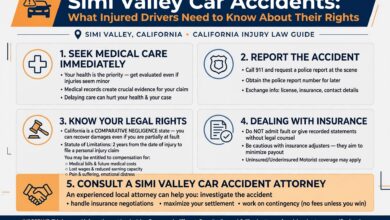
What Steps Should You Take Immediately to Protect Your Rights?
Maximizing financial recovery after a Pittsburgh vehicle accident requires prompt, intentional action to preserve evidence and comply with legal deadlines:
- Report the crash immediately to local law enforcement (such as the Pittsburgh Bureau of Police or Pennsylvania State Police) and obtain an official crash report.
- Seek immediate medical evaluation at an emergency department or urgent care facility to document all physical injuries created by the crash.
- Preserve physical evidence, including photographs of vehicle damage, road conditions, skid marks, traffic signals, visible injuries, and dashcam footage.
- Avoid giving recorded statements or accepting early settlement offers from insurance adjusters before fully understanding the long-term scope of medical care and financial losses.
- File claims within Pennsylvania’s statute of limitations (42 Pa.C.S. § 5524), which generally requires personal injury and property damage lawsuits to be filed within two years from the date of the collision.
Injured Pittsburgh motorists have access to comprehensive avenues of financial recovery covering medical expenses, lost earning power, physical pain, emotional distress, and property replacement. Understanding how state auto insurance choices, fault allocations, and injury thresholds interact ensures that crash victims can pursue the full financial compensation necessary to achieve physical and economic stability.