Digital marketing in 2026 is not just about using better tools. It is about adapting to a new customer journey where people search through AI assistants, discover products on social platforms, expect personalisation without intrusive tracking, and ignore brands that sound like everyone else.
The businesses that win this year will not be the ones that publish the most content or automate the most tasks. They will be the ones that combine AI, data, creativity, trust, and strategy into one clear growth system.
AI-Powered Advertising Will Become the Default
Paid advertising is moving deeper into automation. Platforms like Google Ads are becoming smarter, using AI to optimise bidding, targeting, placements, creative combinations, and campaign performance.
This means PPC in 2026 will depend less on manual control and more on strategy, data quality, conversion tracking, landing page experience, and creative testing. Marketers will still need human judgment, but their role will shift from managing every small setting to guiding the system toward better business outcomes.
For businesses that rely on paid search, working with professional Google Ads management services can help ensure automation is guided by the right goals, budgets, audience signals, and conversion strategy.
Search Will Move From Keywords to Conversations
Traditional SEO is not disappearing, but it is changing fast. People are no longer searching only with short keywords. They are asking full questions, comparing options through AI tools, and expecting direct, useful answers.
In 2026, brands need to optimise for answer engines as well as search engines. That means creating content that is clear, structured, helpful, and easy to understand. It also means answering real customer questions instead of only targeting search volume.
Your content needs to be strong enough to appear across Google, AI search tools, social platforms, YouTube, Reddit, TikTok, and other discovery channels.
Human Premium Content Will Stand Out in the AI Flood
AI has made content easier to produce, but that also means the internet is filling up with generic posts, recycled advice, and bland brand messaging. In 2026, human perspective becomes more valuable, not less.
Winning content will include original opinions, expert insights, customer stories, behind-the-scenes experience, real examples, and clear brand personality. AI can help with research, editing, and repurposing, but the strongest brands will still sound like real people with something specific to say.
Customers can quickly tell the difference between content created only to rank and content created to help. That difference will matter even more in 2026.
First-Party and Zero-Party Data Will Matter More
Privacy-first marketing is now a core business priority. Brands can no longer depend only on third-party tracking, borrowed audiences, or unclear data collection methods.
First-party data comes directly from your audience through website visits, email lists, CRM systems, customer accounts, purchases, and lead forms. Zero-party data goes one step further. It includes information customers willingly share, such as preferences, goals, interests, budgets, and needs.
In 2026, businesses that build strong direct relationships with their audiences will have a major advantage. They will be able to personalise marketing without damaging trust.
Social Commerce Will Keep Removing Friction
Social platforms are no longer just awareness channels. They are becoming search engines, review spaces, product discovery tools, and shopping platforms at the same time.
A customer can now see a product in a short video, read comments, watch a creator review, visit a brand profile, and make a purchase with fewer steps than ever before. This is why social commerce will continue to grow in 2026.
For e-commerce brands, product videos, creator partnerships, live demos, shoppable posts, user-generated content, and platform-native storefronts will become more important. The old model of posting content just to drive traffic to a website is becoming less effective.
In 2026, the brands that win on social will make buying feel natural, easy, and trustworthy.
Micro-Influencers Will Become Trust Brokers
Influencer marketing is shifting from celebrity reach to niche credibility. Customers are more likely to trust creators who feel relatable, specific, and close to their communities.
This is especially true in industries like beauty, fashion, fitness, food, travel, software, and local services. A micro-influencer with a smaller but engaged audience can often drive stronger trust than a celebrity with millions of passive followers.
The best influencer partnerships in 2026 will look less like ads and more like useful recommendations, tutorials, product tests, comparisons, and personal stories. Brands should choose creators based on audience fit, content quality, values, engagement, and trust, not just follower count.
Communities Will Beat Broadcast Marketing
People are tired of being sold to constantly. That is why communities on Reddit, Discord, Facebook Groups, Slack channels, niche forums, and private membership spaces are becoming more valuable.
Brands should stop thinking only in terms of reach and start thinking about participation. That means joining conversations, answering questions, listening to complaints, sharing useful insights, and building spaces where customers can talk to each other.
Community marketing is slower than paid ads, but it creates something more durable: trust. In 2026, businesses that build active communities will have stronger customer relationships and more meaningful brand loyalty.
Agentic AI Will Change Marketing Workflows
The next stage of AI is not just chatbots that answer prompts. It is agentic AI: systems that can plan, act, monitor, and complete tasks with limited supervision.
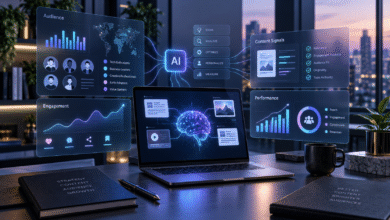
In marketing, this could mean AI agents that monitor campaign performance, recommend budget shifts, identify content gaps, draft reports, personalise email journeys, flag SEO issues, or prepare audience insights before a team meeting.
But this does not mean marketers can switch everything to autopilot. Agentic AI still needs human oversight, clean data, brand rules, ethical limits, and quality control. The best teams will use AI to speed up execution while keeping humans responsible for strategy, judgment, and creative direction.
Integrated Marketing Will Matter More Than Single-Channel Wins
The biggest mistake businesses will make in 2026 is treating every channel separately. SEO, PPC, social media, email, content, analytics, conversion rate optimisation, and branding all affect each other.
AI search pulls from your content and reputation. Paid ads perform better when landing pages are strong. Email works better when data is clean. Social commerce improves when creators, product pages, and reviews support each other.
Good marketing is no longer a set of disconnected tactics. It is an integrated system. That is why businesses looking for sustainable growth should consider complete digital marketing services in Cyprus that connect strategy, paid media, SEO, content, social media, tracking, and conversion optimisation into one plan.
Conclusion
Digital marketing in 2026 will be shaped by AI, automation, privacy, social commerce, answer engines, and community-led trust. But the real advantage will not come from chasing every trend.
It will come from knowing which trends matter for your business and using them with purpose.
AI can make marketing faster. Data can make it smarter. Social platforms can make it easier to buy. But trust, clarity, creativity, and strategy will still decide whether customers choose you or scroll past.