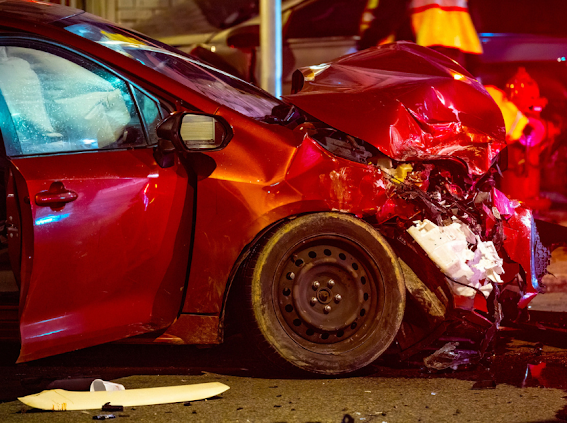
Every fatal DUI crash begins the same way.
A phone rings in the middle of the night. A Mississippi Highway Patrol trooper knocks on a front door. An emergency room doctor delivers news no family ever expects to hear.
Then everything changes.
While the public often sees only a headline about a drunk driving arrest or a tragic collision, the reality of what happens after a fatal DUI crash in Mississippi is far more complex. Families enter a years-long journey through grief, criminal investigations begin immediately, prosecutors build cases that can take years to reach trial, and communities are left wondering how another preventable death occurred.
Recent Mississippi cases illustrate how a single decision to drive impaired can permanently alter dozens of lives.
According to the Gardner Law Group:
“Experiencing a traumatic accident in Mississippi can leave your family reeling from physical pain and overwhelming financial burdens caused by another’s negligence. Navigating the path to justice shouldn’t be done alone.
“At Gardner Law Group, we are focused on helping victims statewide secure the compensation necessary for a full recovery.
“We understand the immense stress personal injuries bring, which is why we offer comprehensive, free consultations to evaluate your legal options.”
The Crash Is Only the Beginning
When a fatal DUI collision occurs in Mississippi, the event itself may last only seconds.
The aftermath can last for decades.
Emergency responders rush to the scene. Firefighters extract victims from wrecked vehicles. Paramedics attempt lifesaving measures. Law enforcement officers begin documenting evidence before vehicles are moved.
At this stage, investigators are focused on one critical question: was impairment a contributing factor?
Officers look for signs of intoxication, collect witness statements, review surveillance footage, examine vehicle data, and obtain toxicology evidence when possible.
The goal is to establish whether alcohol or drugs played a role in causing the fatal collision.
Unlike ordinary traffic accidents, a fatal DUI crash immediately becomes both a traffic investigation and a criminal investigation.
That distinction changes everything.
Families Learn the News
Perhaps the most devastating part of any fatal DUI crash is the notification process.
Law enforcement officers are tasked with informing families that a loved one will never come home.
Parents lose children.
Children lose parents.
Spouses suddenly become widows or widowers.
Grandparents, siblings, coworkers, classmates, and friends are left trying to understand how an ordinary day became a tragedy.
This reality was evident in a Mississippi case involving University of Mississippi student Walker Fielder, who was killed in a DUI hit-and-run crash in Oxford in 2022. Another student was seriously injured. The driver later pleaded guilty to aggravated DUI and leaving the scene of an accident causing death. The case continued through the court system years after the collision itself, illustrating how families remain connected to the criminal justice process long after the crash scene is cleared.
For families, grief often becomes intertwined with court hearings, legal filings, sentencing proceedings, and media coverage.
The tragedy does not end when the funeral is over.
Criminal Charges Follow
In Mississippi, drivers suspected of causing a fatal crash while impaired can face severe criminal charges.
These often include aggravated DUI, vehicular homicide-related offenses, leaving the scene of an accident, or additional charges depending on the circumstances.
The exact charges vary from case to case, but the stakes are substantial because a fatality elevates the consequences far beyond a standard DUI arrest.
One highly publicized Mississippi case involved a crash in Jackson that allegedly claimed two lives and seriously injured another person. Court proceedings continued well over a year after the collision as attorneys argued over evidence and prosecutors pursued aggravated DUI charges.
Cases involving fatalities are rarely resolved quickly.
Investigators must collect evidence, prosecutors must prepare their cases, and defense attorneys frequently challenge aspects of the investigation.
The legal process can stretch over months or even years.
Investigators Reconstruct Every Detail
Fatal DUI investigations often become highly technical.
Crash reconstruction experts may examine:
- Vehicle speed
- Braking patterns
- Impact angles
- Road conditions
- Driver actions before impact
- Toxicology results
- Cell phone records
- Witness testimony
Modern vehicles frequently contain event data recorders that can provide information similar to an airplane’s black box.
Investigators use these tools to piece together exactly what occurred.
A fatal DUI prosecution may depend on proving not only that a driver was impaired but also that the impairment contributed to causing the crash.
This is why major cases often require extensive forensic analysis.
The Court Process Can Take Years
One misconception about fatal DUI cases is that justice arrives quickly.
In reality, serious criminal cases often move slowly.
Court hearings may be postponed.
Evidence may be challenged.
Expert witnesses may be required.
Appeals may follow convictions.
The Jackson DUI case involving two fatalities illustrates this reality. Legal proceedings continued long after the original crash as attorneys argued over evidence and the admissibility of various investigative findings.
For families, every hearing can reopen emotional wounds.
Many relatives describe reliving the tragedy repeatedly as court proceedings continue.
The criminal justice system seeks accountability, but it cannot restore what was lost.
Communities Feel the Impact
Fatal DUI crashes affect more than immediate family members.
Entire communities often experience the consequences.
Schools lose students.
Churches lose members.
Employers lose workers.
Sports teams lose teammates.
Neighborhoods lose friends and neighbors.
When the Oxford crash claimed the life of a university student, the loss extended beyond one family. Fellow students, faculty members, and the broader university community were affected.
The ripple effects spread far beyond the individuals directly involved.
A single fatal crash can leave an emotional footprint across an entire town.
Civil Lawsuits Often Follow
Criminal charges are only one part of what happens after a fatal DUI crash.
Families frequently pursue civil wrongful death claims seeking compensation for:
- Medical expenses
- Funeral costs
- Lost income
- Loss of companionship
- Emotional suffering
The civil justice system serves a different purpose than criminal court.
Criminal cases focus on punishment and accountability.
Civil cases focus on financial recovery for surviving family members.
In many situations, both processes occur simultaneously.
A driver may face criminal prosecution while also defending against a wrongful death lawsuit.
The Emotional Toll on Survivors
Many people assume only victims’ families suffer after a fatal DUI crash.
The reality is more complicated.
Surviving passengers, witnesses, first responders, and even members of the legal system can experience emotional trauma.
Post-traumatic stress, anxiety, depression, and survivor’s guilt are common.
Some witnesses never forget what they saw.
Emergency personnel often carry memories of fatal crashes throughout their careers.
Family members may struggle with grief for years.
The emotional consequences frequently outlast the criminal proceedings.
The Numbers Behind the Tragedy
Although every case is unique, fatal impaired driving crashes remain a major national problem.
According to the National Highway Traffic Safety Administration, 12,429 people were killed in alcohol-impaired driving crashes in 2023. These deaths accounted for approximately 30 percent of all traffic fatalities in the United States. On average, one alcohol-impaired driving fatality occurred every 42 minutes.
The Insurance Institute for Highway Safety continues to identify alcohol involvement as a significant factor in fatal crashes nationwide.
Behind every statistic is a real person.
A parent.
A child.
A friend.
A coworker.
A neighbor.
Numbers help explain the scale of the problem, but they cannot capture the human cost.
Victim Advocacy Groups Become Involved
Organizations such as Mothers Against Drunk Driving (MADD) frequently provide support to victims’ families.
These groups help survivors navigate the criminal justice system while advocating for stronger impaired driving prevention measures.
Many advocates entered the movement because they personally lost loved ones to impaired drivers.
Their stories reveal a common theme: life is often divided into “before the crash” and “after the crash.”
Victim advocates argue that prevention remains the most effective solution because no sentence, settlement, or court verdict can reverse a fatal collision.
Sentencing Is Not the End
Even after a conviction, the story may continue.
Probation hearings, sentence modifications, appeals, parole decisions, and early release requests can keep cases active for years.
This reality became a topic of public discussion in the Oxford DUI case when reports emerged that the convicted driver received an amended sentence after demonstrating rehabilitation and good behavior while incarcerated. The decision generated renewed attention from the community years after the original crash.
For families, these developments can be emotionally difficult.
Many feel the loss remains as fresh as the day it occurred, regardless of how much time has passed.
Why Fatal DUI Crashes Are Different
Most traffic accidents are exactly that—accidents.
Fatal DUI crashes are different because they involve a preventable decision.
The decision to drive after drinking.
The decision to ignore safer alternatives.
The decision to get behind the wheel despite known risks.
That distinction is why fatal DUI crashes often generate such strong public reactions.
People understand that these tragedies frequently could have been avoided.
A Preventable Tragedy
The story after a fatal DUI crash in Mississippi follows a familiar path.
Police investigations.
Criminal charges.
Funerals.
Court hearings.
Civil lawsuits.
Years of grief.
The public may see only brief news reports, but families experience a far longer journey.
Cases from Jackson, Oxford, and other Mississippi communities demonstrate that the consequences of impaired driving extend far beyond the crash scene. Victims lose their futures. Families lose loved ones. Communities lose valued members. Drivers face criminal prosecution and life-altering consequences.
What really happens after a fatal DUI crash in Mississippi is not merely a legal process.
It is a human story of loss, accountability, and lives permanently changed.
And for every family left behind, the aftermath lasts far longer than any headline ever will.