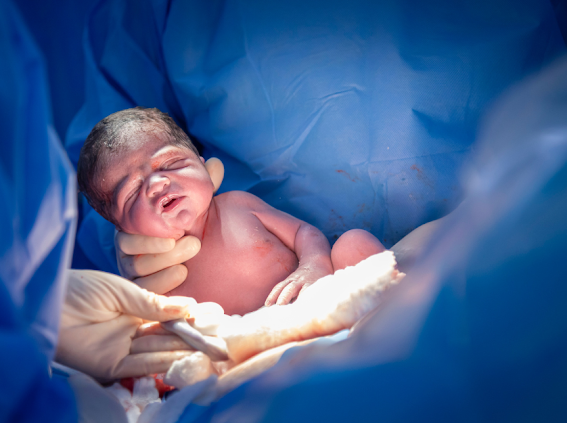
The birth of a child is supposed to be one of the happiest moments in a family’s life. Parents place enormous trust in doctors, nurses, hospitals, and medical professionals to provide safe care during pregnancy, labor, delivery, and the critical moments immediately after birth. Unfortunately, mistakes sometimes happen. When medical negligence causes harm to a newborn or mother, families may face emotional trauma, lifelong medical expenses, and overwhelming uncertainty about the future.
In Pittsburgh, Pennsylvania, birth injury cases often arise when preventable medical errors during pregnancy or childbirth lead to serious injuries. These cases can involve hospitals, obstetricians, nurses, anesthesiologists, or other healthcare providers whose actions fail to meet accepted medical standards. Understanding what legally constitutes a birth injury case is important for families who suspect something went wrong during delivery.
Birth injury claims are highly complex. Not every medical complication automatically qualifies as malpractice. Some injuries occur despite proper medical care. However, when a healthcare provider’s negligence directly causes harm that could have been prevented, the injured child and family may have grounds to pursue compensation under Pennsylvania law.
Understanding the Difference Between a Birth Injury and a Birth Defect
One of the first distinctions families must understand is the difference between a birth injury and a birth defect. These terms are often confused, but they are not the same legally or medically.
A birth defect typically develops during pregnancy because of genetic abnormalities, chromosomal conditions, environmental exposures, or other naturally occurring factors. Examples include congenital heart defects, spina bifida, or Down syndrome. Birth defects are usually unrelated to mistakes made by medical professionals.
A birth injury, on the other hand, occurs because of trauma, oxygen deprivation, or medical negligence before, during, or shortly after delivery. Birth injuries are often preventable when healthcare providers follow accepted medical standards.
For example, a baby who develops cerebral palsy because doctors failed to respond to signs of fetal distress may have suffered a birth injury. Likewise, a child who experiences brain damage because labor was improperly managed could potentially be the victim of medical malpractice.
This distinction matters because birth injury lawsuits focus on preventable harm caused by negligent medical care.
Common Types of Birth Injuries
Birth injuries vary in severity. Some heal within weeks or months, while others create permanent disabilities requiring lifelong treatment and care.
Several injuries commonly appear in Pittsburgh birth injury lawsuits.
Cerebral Palsy
Cerebral palsy is one of the most frequently litigated birth injuries. It affects movement, muscle tone, posture, and coordination. In some cases, cerebral palsy develops because a baby’s brain is deprived of oxygen during labor or delivery.
Medical negligence that may contribute to cerebral palsy includes:
- Failure to monitor fetal distress
- Delayed emergency C-sections
- Improper use of delivery tools
- Failure to recognize oxygen deprivation
- Mismanagement of prolonged labor
Children with cerebral palsy may require physical therapy, mobility aids, surgeries, specialized education, and lifelong medical care.
Brachial Plexus Injuries
The brachial plexus is a network of nerves controlling the arm and shoulder. Excessive force during delivery can damage these nerves, especially during difficult vaginal births involving shoulder dystocia.
A common example is Erb’s palsy, which may cause weakness or paralysis in the arm. In severe cases, nerve damage may be permanent.
Healthcare providers may be negligent if they:
- Use excessive traction during delivery
- Fail to anticipate shoulder dystocia
- Improperly use forceps or vacuum extractors
- Fail to recommend a timely C-section
Hypoxic-Ischemic Encephalopathy (HIE)
HIE occurs when the brain does not receive enough oxygen and blood flow. This condition can lead to permanent neurological damage, developmental delays, seizures, or cerebral palsy.
Potential causes include:
- Umbilical cord complications
- Placental abruption
- Delayed intervention during fetal distress
- Improper monitoring during labor
Because HIE often results in severe disabilities, these cases frequently involve substantial damages.
Skull Fractures and Brain Injuries
Improper use of forceps or vacuum extraction devices may cause skull fractures, bleeding in the brain, or traumatic brain injuries.
These injuries may result in:
- Cognitive impairments
- Learning disabilities
- Developmental delays
- Seizure disorders
Doctors must carefully evaluate whether assisted delivery methods are appropriate and safe.
Spinal Cord Injuries
Although less common, spinal cord injuries during birth can cause partial or complete paralysis. These injuries may result from excessive force, improper positioning, or failure to perform a C-section when medically necessary.
The long-term consequences can be devastating for both the child and family.
What Legally Constitutes a Birth Injury Case?
A poor medical outcome alone does not automatically create a valid lawsuit. Under Pennsylvania medical malpractice law, certain legal elements must be proven.
A birth injury case generally requires evidence of four essential components.
Duty of Care
Healthcare providers owe patients a professional duty of care. Doctors, nurses, hospitals, and medical staff must provide treatment that meets accepted medical standards.
When a pregnant woman receives prenatal care or enters a hospital for labor and delivery, a doctor-patient relationship is established. This creates a legal obligation to provide competent medical care.
Breach of the Standard of Care
The plaintiff must show that a medical provider failed to act according to accepted standards of practice.
Examples of breaches may include:
- Ignoring signs of fetal distress
- Delaying necessary interventions
- Misinterpreting fetal monitoring strips
- Administering incorrect medications
- Failing to diagnose maternal infections
- Improper use of delivery instruments
- Delaying emergency C-sections
Medical experts usually play a critical role in determining whether the provider’s conduct fell below professional standards.
Causation
It is not enough to show that a medical mistake occurred. Families must also prove that the negligence directly caused the injury.
For instance, if oxygen deprivation during labor caused brain damage that otherwise would not have occurred, causation may exist.
Causation is often the most heavily contested issue in birth injury litigation because defense attorneys frequently argue that injuries resulted from unavoidable complications or preexisting conditions.
Damages
Finally, the injury must have caused measurable damages.
Damages may include:
- Medical expenses
- Future treatment costs
- Therapy and rehabilitation
- Lost earning capacity
- Pain and suffering
- Emotional distress
- Specialized education costs
- Home modifications
- Long-term caregiving expenses
Because many birth injuries create lifelong disabilities, damages can be extraordinarily high.
Medical Negligence During Pregnancy
Birth injury claims are not limited to mistakes during delivery itself. Negligence during pregnancy may also create liability.
Examples include:
Failure to Diagnose Maternal Conditions
Doctors must properly monitor and treat maternal health conditions that can threaten the baby.
These may include:
- Preeclampsia
- Gestational diabetes
- Infections
- Hypertension
- Placental abnormalities
Failure to identify or treat these conditions may increase the risk of serious birth injuries.
Failure to Monitor Fetal Development
Healthcare providers must monitor fetal growth and wellbeing throughout pregnancy.
Negligence may occur if providers fail to detect:
- Umbilical cord problems
- Fetal distress
- Restricted growth
- Dangerous positioning
- High-risk pregnancies
Early detection often prevents complications during labor and delivery.
Medication Errors During Pregnancy
Prescribing unsafe medications or failing to account for pregnancy-related risks may harm both mother and baby.
Some medications may cause fetal injury, developmental complications, or delivery complications if improperly prescribed.
Medical Negligence During Labor and Delivery
Many birth injury lawsuits center on mistakes occurring during labor itself.
Failure to Perform a Timely C-Section
One of the most common allegations involves delayed Cesarean sections.
Doctors must recognize when vaginal delivery becomes dangerous. Delays in performing emergency C-sections may deprive the baby of oxygen and lead to permanent injury.
Situations requiring urgent intervention may include:
- Fetal distress
- Umbilical cord prolapse
- Placental abruption
- Prolonged labor
- Shoulder dystocia
Even short delays can have catastrophic consequences.
Improper Fetal Monitoring
Electronic fetal monitoring helps detect oxygen deprivation and distress during labor.
Medical staff must properly interpret fetal heart rate patterns and respond appropriately.
Failure to recognize warning signs may result in preventable injuries.
Misuse of Delivery Tools
Forceps and vacuum extractors can be valuable tools when properly used. However, misuse may cause severe injuries to both mother and baby.
Improper use may lead to:
- Brain injuries
- Nerve damage
- Skull fractures
- Facial paralysis
- Internal bleeding
Healthcare providers must carefully assess whether assisted delivery is medically appropriate.
Medication Mistakes During Labor
Labor-inducing drugs such as Pitocin require close monitoring.
Excessive doses may cause dangerously strong contractions that reduce oxygen supply to the baby. Failure to monitor these medications properly may constitute negligence.
Hospital Liability in Pittsburgh Birth Injury Cases
Hospitals themselves may also be legally responsible for birth injuries.
Hospital liability may arise from:
- Inadequate staffing
- Poor employee training
- Failure to follow safety protocols
- Hiring unqualified personnel
- Communication failures
- Lack of emergency procedures
Large healthcare systems operating in Pittsburgh may face liability if systemic problems contribute to patient harm.
In some cases, multiple parties may share responsibility, including physicians, nurses, hospitals, and medical groups.
Pennsylvania Laws Affecting Birth Injury Cases
Birth injury lawsuits in Pittsburgh are governed by Pennsylvania medical malpractice laws.
Several important legal rules may affect these claims.
Statute of Limitations
Pennsylvania generally imposes strict deadlines for filing medical malpractice lawsuits.
However, cases involving injured children often receive special treatment under state law. Because birth injuries may not become fully apparent immediately, deadlines can differ from ordinary malpractice claims.
Still, families should consult an attorney as soon as possible because delays can jeopardize evidence and legal rights.
Comparative Negligence Issues
Although comparative negligence is less common in birth injury cases, defense attorneys sometimes argue that maternal health decisions contributed to complications.
Pennsylvania follows modified comparative negligence rules, which may affect damages in some situations.
Signs That May Indicate a Birth Injury
Parents often wonder whether complications during birth were unavoidable or caused by negligence.
Several warning signs may indicate a preventable birth injury occurred.
Possible signs include:
- Delayed crying after birth
- Low Apgar scores
- Seizures shortly after delivery
- Difficulty breathing
- NICU admission
- Developmental delays
- Muscle stiffness or weakness
- Feeding difficulties
- Limited movement in an arm or leg
While these symptoms do not automatically prove malpractice, they may warrant further investigation.
Families should seek medical evaluations if they notice developmental concerns as their child grows.
The Financial Impact of Birth Injuries
Birth injuries often create enormous financial burdens.
Families may face costs related to:
- Hospitalization
- Surgeries
- Physical therapy
- Occupational therapy
- Speech therapy
- Wheelchairs and mobility devices
- Home nursing care
- Special education services
- Lifelong medical monitoring
In severe cases, lifetime care expenses may reach millions of dollars.
Many parents must also reduce work hours or leave careers entirely to care for an injured child.
Compensation from a birth injury lawsuit may help secure resources necessary for the child’s future care and quality of life.
Emotional and Psychological Effects on Families
The emotional consequences of birth injuries can be overwhelming.
Parents often experience:
- Grief
- Anxiety
- Depression
- Anger
- Financial stress
- Relationship strain
Many families struggle with guilt and unanswered questions about whether their child’s injury could have been prevented.
Siblings may also experience emotional challenges as family dynamics change due to caregiving responsibilities.
The psychological impact frequently lasts for years after the initial injury.
How Birth Injury Lawyers Investigate Cases
Birth injury attorneys typically conduct extensive investigations before filing lawsuits.
This process often includes:
- Reviewing prenatal records
- Examining labor and delivery records
- Analyzing fetal monitoring strips
- Consulting medical experts
- Reviewing imaging studies
- Interviewing witnesses
- Evaluating hospital protocols
Because birth injury cases are medically and legally complex, expert testimony is usually essential.
Medical experts help determine:
- Whether providers violated standards of care
- Whether the injury was preventable
- How the injury will affect the child long-term
Economic experts may also calculate future care costs and financial damages.
Compensation Available in Pittsburgh Birth Injury Cases
Families pursuing birth injury claims may seek compensation for both economic and non-economic damages.
Economic Damages
Economic damages compensate for measurable financial losses, including:
- Past medical bills
- Future medical expenses
- Rehabilitation costs
- Lost earning capacity
- Assistive devices
- Home modifications
- Specialized care
Non-Economic Damages
Non-economic damages address intangible losses such as:
- Pain and suffering
- Emotional distress
- Loss of enjoyment of life
- Mental anguish
Pennsylvania generally does not cap compensatory damages in most medical malpractice cases involving private healthcare providers.
Punitive Damages
Punitive damages are rare but may apply when conduct is especially reckless or intentional.
Examples may include:
- Intoxicated medical providers
- Deliberate falsification of records
- Gross disregard for patient safety
Why Birth Injury Cases Are So Complex
Birth injury lawsuits are among the most challenging forms of medical malpractice litigation.
Several factors contribute to their complexity:
Complicated Medical Evidence
These cases often involve highly technical medical issues requiring expert interpretation.
Jurors must understand:
- Fetal monitoring
- Obstetrics
- Neurology
- Neonatal care
- Brain injuries
Multiple Defendants
Several healthcare providers may share responsibility.
Defendants may include:
- Obstetricians
- Nurses
- Hospitals
- Specialists
- Medical corporations
Determining each party’s role can be complicated.
Aggressive Defense Strategies
Hospitals and insurers aggressively defend birth injury claims because potential damages are substantial.
Defense teams often argue:
- The injury was unavoidable
- The child had preexisting conditions
- The provider acted appropriately
- The injury occurred before labor began
Families need strong medical evidence to overcome these defenses.
Settlements Versus Trials
Many Pittsburgh birth injury cases settle before trial.
Settlements may provide:
- Faster compensation
- Reduced emotional stress
- Privacy
- Financial certainty
However, some cases proceed to trial when liability or damages are disputed.
Trials may involve:
- Extensive expert testimony
- Detailed medical evidence
- Complex legal arguments
- Significant emotional testimony from families
The outcome often depends heavily on expert credibility and medical documentation.
Choosing the Right Birth Injury Attorney
Selecting an attorney is one of the most important decisions families make after a suspected birth injury.
Birth injury litigation requires substantial resources and specialized knowledge.
Families should look for attorneys with experience handling:
- Medical malpractice cases
- Complex birth injury claims
- Expert medical testimony
- Long-term damages analysis
Many birth injury lawyers work on a contingency fee basis, meaning they only receive payment if compensation is recovered.
An experienced attorney can help families understand their rights, investigate the circumstances surrounding the injury, and pursue appropriate legal remedies.
The Importance of Early Investigation
Early investigation is crucial in birth injury cases.
Important evidence may include:
- Medical records
- Fetal monitoring strips
- Delivery room notes
- Witness statements
- Imaging studies
Over time, memories fade and records may become harder to obtain.
Early legal consultation also allows experts to evaluate whether negligence likely occurred before deadlines expire.