Spider Roll: The Crispy Sushi Favorite with a Bold Flavor and Eye-Catching Style
A complete guide to the spider roll, its ingredients, taste, origin, texture, serving style, and why this crunchy sushi roll remains a favorite for sushi lovers

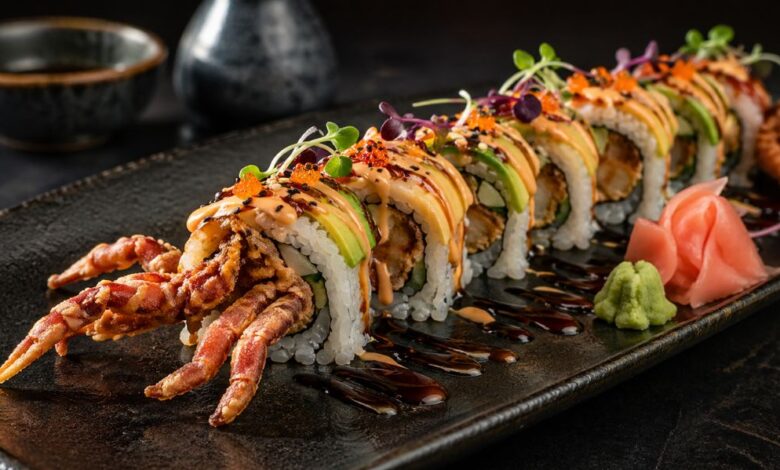
A spider roll stands out as a recognizable and exciting sushi roll, merging flavor, texture, and presentation into a memorable experience. Unlike simpler rolls focused on raw fish, a spider roll features deep-fried soft-shell crab, sushi rice, nori, cucumber, avocado, and a distinctive sauce such as spicy mayo or eel sauce. The crispy crab delivers its signature crunch, while fresh vegetables counterbalance the richness with a clean, refreshing taste. The name derives from the crab legs protruding from the ends of the roll, forming a shape reminiscent of a spider.
For many, the spider roll is an ideal introduction to sushi, since it often avoids raw seafood. The fried crab makes it approachable for newcomers while delivering bold flavor and satisfaction for seasoned enthusiasts. It is crisp, savory, subtly sweet, and visually striking, often commanding attention on a sushi menu. Served in casual eateries or modern Japanese venues, the spider roll stays popular for those seeking texture-rich sushi with distinctive character.
What Is a Spider Roll?
A spider roll is a type of makizushi, which means rolled sushi. It is commonly prepared by wrapping sushi rice and fillings in a sheet of nori, then slicing the roll into pieces. The main ingredient is usually soft-shell crab, battered and deep-fried until golden and crisp. Because soft-shell crab can be eaten whole, including the shell, it creates a crunchy bite without the need to remove any hard outer shell.
The roll often features ingredients such as cucumber, avocado, lettuce, and, occasionally, radish sprouts. These additions provide freshness and contrast to the fried crab. Sauces differ by restaurant, but spicy mayo, eel sauce, ponzu, or a drizzle of soy-based sauce are standard. Some versions are garnished with sesame seeds, tobiko, or extra sauce to boost flavor and visual interest. The result is a sushi roll that is rich yet balanced, crispy yet tender, and visually striking without being hard to enjoy.
Why Is It Called a Spider Roll?
The name spider roll comes from its presentation rather than its ingredients. When the soft-shell crab is placed in the roll, its legs may protrude from both ends. These extended crab legs resemble a spider’s legs, giving the sushi roll its unusual and memorable name. This visual detail makes the roll instantly recognizable and adds a playful element to the dining experience.
The name is widely accepted and easily identifies the roll among other specialties like the California roll, dragon roll, rainbow roll, and shrimp tempura roll. Taste and dramatic presentation make it a favorite for those who want exciting sushi.
Main Ingredients in a Spider Roll
The heart of a spider roll is soft-shell crab. Soft-shell crab refers to a crab that has recently molted its hard shell, leaving behind a softer outer layer that can be eaten after cooking. When fried, it becomes crisp on the outside while staying tender and flavorful inside. This gives the roll its most important texture and taste.
Sushi rice is another essential ingredient. Proper sushi rice is seasoned with rice vinegar, sugar, and salt, giving it a slightly tangy and balanced flavor. The rice holds the roll together and enhances the crab’s richer flavor. Nori, the dried seaweed sheet, adds a mild ocean-like flavor and helps create the traditional rolled structure. Cucumber adds a clean crunch, avocado brings creaminess, and sauces add moisture and depth. Together, these ingredients create a layered sushi experience that feels complete in every bite.
The Role of Soft-Shell Crab
Soft-shell crab is what makes the spider roll special. Its crispy texture separates it from many other sushi rolls that use raw fish, cooked shrimp, or imitation crab. Because the crab is deep-fried, it gives the roll a warm, savory quality that pairs beautifully with cool rice and fresh vegetables. This contrast is one reason the spider roll has remained so popular.
The crab also adds a slightly sweet seafood flavor. It is not too strong, which makes it suitable for people who enjoy seafood but prefer milder flavors. When cooked correctly, the crab should be crispy but not greasy. A well-made spider roll should feel light enough to enjoy while still offering a satisfying crunch.
Rice, Nori, and Fresh Fillings
The rice, nori, and fresh fillings are just as important as the crab because they balance the roll. Sushi rice should be soft, sticky, and well-seasoned without being mushy. Nori should be fresh enough to hold its shape and add a gentle crispness. Cucumber adds brightness to the roll, while avocado adds smoothness and richness.
Some chefs also include lettuce for extra texture or sprouts for a slightly peppery note. These small choices can change the roll’s flavor profile while preserving its core identity. A good spider roll should not taste heavy from start to finish. It should have layers of crunch, creaminess, freshness, and savory depth.
How a Spider Roll Tastes
A spider roll has a bold but balanced taste. The first thing most people notice is the crunch from the fried soft-shell crab. After that comes the mild sweetness of the crab, the tanginess of the sushi rice, the freshness of the cucumber, and the creamy texture of the avocado. If spicy mayo is used, the roll gains a gentle heat and richness. If eel sauce is added, it adds a sweet, savory finish.
The flavor is not usually too spicy unless the chef adds extra sauce or chili-based ingredients. For this reason, the spider roll works well for a wide range of tastes. It is flavorful enough for experienced sushi fans but approachable enough for someone trying sushi for the first time. The combination of cooked seafood and familiar textures makes it one of the easiest specialty rolls to enjoy.
Spider Roll vs. Other Sushi Rolls
The spider roll is often compared to the shrimp tempura roll because both feature fried seafood and a crunchy texture. However, the spider roll has a more distinctive appearance because of the crab legs. It also has a different seafood flavor, since soft-shell crab tastes richer and slightly sweeter than shrimp.
Compared to a California roll, the spider roll is more vibrant and intense. The California roll offers a mild, straightforward, beginner-friendly profile, whereas the spider roll feels richer and more refined. Compared to a dragon roll, the spider roll emphasizes crispy crab over elaborate toppings. While each roll has its unique appeal, the spider roll distinguishes itself by merging texture, visual flair, and bold flavor.
Is a Spider Roll Good for Sushi Beginners?
A spider roll can be an excellent choice for beginners because it usually contains cooked crab rather than raw fish. Many people who are nervous about sushi feel more comfortable starting with rolls that use cooked or fried ingredients. The crispy crab, avocado, cucumber, and sauces make the roll familiar while still offering a true sushi experience.
However, beginners should remember that the roll contains seafood and seaweed, so the flavor may still be new to them. The best way to enjoy it is to take a small piece, taste it without too much soy sauce at first, and notice how the ingredients work together. Too much soy sauce can overpower the delicate balance of rice, crab, and sauce. A small amount of wasabi or pickled ginger can also be used, but the roll already has enough flavor on its own.
How to Serve and Enjoy a Spider Roll
A spider roll is best served fresh, soon after the crab has been fried. This helps preserve the roll’s crispy texture, which makes it special. If it sits too long, the steam from the rice and sauce can soften the crab. In restaurants, it is often served sliced into several pieces, with the crab legs extending from the ends for presentation.
The roll pairs well with soy sauce, pickled ginger, and wasabi, though it does not need much extra seasoning. Some people enjoy it with miso soup, edamame, seaweed salad, or a light green salad. Because the spider roll is rich and crunchy, lighter side dishes help balance the meal. It can be eaten as a main sushi choice or shared as part of a larger sushi platter.
Is a Spider Roll Healthy?
A spider roll can be part of a balanced meal, but it is usually richer than simpler sushi rolls because the crab is deep-fried, and sauces may add calories, fat, sugar, or sodium. The roll does offer seafood protein, rice for energy, and vegetables such as cucumber and avocado. Avocado adds healthy fats, while cucumber adds freshness and hydration.
For a lighter version, ask for less sauce, or enjoy the roll with a side of salad. Portion size also matters. One spider roll can be satisfying because the fried crab makes it more filling than many basic rolls. It is not the lightest sushi option, but it can be enjoyed in moderation as a flavorful treat.
Why Spider Roll Remains Popular
The spider roll’s popularity stems from its distinctive mix of flavor, texture, and presentation. It feels special without complexity, offering sushi enthusiasts crispness and savor while preserving traditional makizushi form. Its dramatic appearance also appeals to social dining, making it visually arresting on any plate.
In modern sushi culture, people often look for rolls that are flavorful, photogenic, and easy to enjoy. The spider roll meets all three needs. It has a memorable name, a bold appearance, and a satisfying crunch. That combination has helped it remain a trusted favorite on sushi menus in many parts of the world.
(FAQs)
What is inside a spider roll?
A spider roll usually contains deep-fried soft-shell crab, sushi rice, nori, cucumber, avocado, and sauce. Some versions may also include lettuce, sprouts, sesame seeds, tobiko, spicy mayo, or eel sauce, depending on the restaurant.
Is spider roll made with real spider?
No, a spider roll is not made with spider. The name comes from the appearance of the soft-shell crab legs sticking out from the roll, which can look like spider legs.
Is a spider roll cooked or raw?
A spider roll is usually made with cooked seafood because the soft-shell crab is deep-fried. This makes it a popular choice for people who prefer sushi without raw fish.
What does a spider roll taste like?
A spider roll tastes crispy, savory, slightly sweet, creamy, and fresh. The fried crab gives it crunch, while avocado and cucumber add balance. Sauces such as spicy mayo or eel sauce can make it richer and more flavorful.
Is spider roll good for beginners?
Yes, a spider roll is often good for beginners because it uses fried crab instead of raw fish. Its crunchy texture and familiar flavors make it easier for people new to sushi to enjoy.
Conclusion
The spider roll is one of the most distinctive sushi rolls because it brings together crispy soft-shell crab, seasoned sushi rice, fresh vegetables, creamy avocado, and flavorful sauce in one beautifully presented roll. Its name may sound unusual, but its appeal is easy to understand once you taste it. The crunchy crab gives it excitement, the fresh fillings keep it balanced, and the dramatic presentation makes it memorable. For sushi beginners, it offers a friendly entry point into Japanese-style rolls. For longtime sushi lovers, it remains a reliable favorite with bold texture and satisfying flavor. Whether ordered at a sushi restaurant or explored as part of a larger sushi meal, the spider roll continues to stand out as a delicious, crunchy, and visually impressive makizushi classic.