Ian Bowyer: The Unsung Midfield Engine Behind Nottingham Forest’s Golden Era
A closer look at the career, character, and lasting legacy of one of English football’s most underrated winners

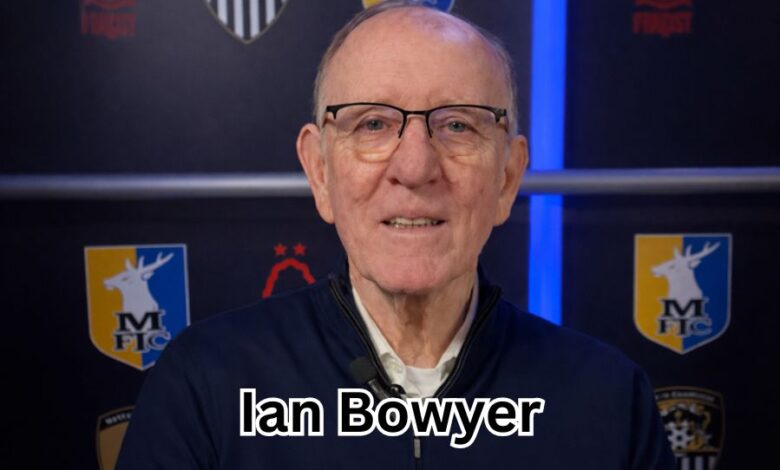
Ian Bowyer remains one of the most important yet often overlooked figures in English football history. His influence, particularly at Nottingham Forest, directly shaped the club’s greatest successes. Bowyer was the kind of player every successful team needed: intelligent, disciplined, hard-working, and capable of delivering in the biggest moments. While flashier names attracted more attention, Bowyer’s enduring value lay in his consistency, sharp football instincts, and remarkable ability to change matches from midfield. The source text highlights Bowyer as a central figure in Nottingham Forest’s rise under Brian Clough, underscoring his steady presence as indispensable to each major chapter of the club’s history.
Quick Bio
| Field | Details |
|---|---|
| Full Name | Ian Bowyer |
| Date of Birth | 6 June 1951 |
| Birthplace | Little Sutton, Cheshire, England |
| Nationality | English |
| Profession | Former Professional Footballer, Coach, Manager |
| Famous For | Playing a key role in Nottingham Forest’s golden era |
| Position | Midfielder |
| Former Clubs | Manchester City, Leyton Orient, Nottingham Forest, Sunderland, Hereford United, Grantham Town |
| Major Honours | First Division title, League Cup, back-to-back European Cups |
| Legacy | One of the most underrated midfielders in English football history |
Early life and the foundation of a football career
Ian Bowyer was born on 6 June 1951 in Little Sutton, Cheshire. Like many talented English players of his generation, he grew up in an environment where football was deeply woven into daily life. From a young age, he showed the qualities that would later define his professional career. He was not simply technically gifted. He also possessed awareness, positioning, and a natural reading of the game that made him stand out.
Those qualities helped him attract professional interest, and he eventually joined Manchester City as an apprentice during the late 1960s. It was a significant step for a young footballer. Manchester City was one of the strongest and most ambitious sides in England at the time, which meant Bowyer entered a competitive environment filled with experienced, high-level players. That setting shaped his development and exposed him to the demands of top-flight football early.
Manchester City and the lessons of elite football
Bowyer made his senior debut for Manchester City in 1968. Although still a young player, he adapted quickly to the pace and discipline required at the highest level. His early years at the club gave him invaluable experience, especially as City enjoyed success during that period. He was part of a squad that won the League Cup and the European Cup Winners’ Cup in 1970, achievements that introduced him to big-match football at an early stage.
Even so, Manchester City’s strong squad made regular first-team football difficult to secure. Bowyer clearly had talent, but he also needed consistent minutes to fully mature as a player. Needing regular football, he eventually joined Leyton Orient in 1971. While such a move might be seen as a step down in some careers, for Bowyer it proved to be a turning point in his development.
Leyton Orient and the making of a complete midfielder
At Leyton Orient, Ian Bowyer found the opportunity he needed. Regular playing time allowed him to develop confidence and define his style more clearly. He became a midfielder who could contribute at both ends of the pitch. He worked hard without the ball, but he was equally capable of making dangerous forward runs and affecting games in attacking areas.
This period was vital in transforming him from a promising youngster into a dependable and versatile professional. He grew into the sort of player managers trusted to support the defence, take responsibility in midfield, and arrive in the box at the right time. His progress at Leyton Orient prepared him perfectly for the move that would shape his legacy.
Nottingham Forest and the start of something special
In 1973, Bowyer joined Nottingham Forest. At that stage, Forest were not yet the legendary side they would become. The club’s transformation would be led by Brian Clough and Peter Taylor, two of the most influential figures in English football management. Bowyer proved to be exactly the type of player Clough valued. He was reliable, tactically smart, and willing to do the hard work that allowed a team to function as a unit.
Promotion and progress
As Nottingham Forest pushed upward, Bowyer played a major role in helping the side gain promotion to the First Division. His influence in midfield gave the team balance and stability. He was not simply a supporting figure, but one of the players who helped make Forest stronger, more composed, and more competitive. This set the foundation for the remarkable campaigns that followed.
The unforgettable 1977–78 season
The 1977–78 campaign changed everything for Forest. Newly promoted, they stunned English football by winning the First Division title—one of the most remarkable triumphs in the game’s history. Bowyer was central to that achievement; though he may not always have drawn the headlines, he delivered the dependable excellence that champions are built on. This historic season elevated Forest, setting the stage for their domestic and European breakthrough.
That same season, Forest also won the League Cup, a further sign that the club was building something genuinely extraordinary rather than simply enjoying a brief surge. Bowyer’s game intelligence, movement, and calmness under pressure made him indispensable, propelling the team toward even greater challenges in Europe.
European triumph and Ian Bowyer’s finest stage
If domestic success elevated Nottingham Forest, European football cemented the team’s place in history. Bowyer was one of the men at the heart of those unforgettable nights.
The 1979 European Cup victory
In 1979, Nottingham Forest shocked Europe by winning the European Cup. Bowyer played a vital role throughout that campaign. He contributed both through his work rate and his ability to deliver in key moments of key matches. Forest’s success was built on team structure, discipline, and belief, and Bowyer embodied all three qualities.
The 1980 European Cup victory
Forest’s back-to-back European Cup victories remain one of the club’s most impressive accomplishments, and Bowyer was again a major presence. He brought consistency, maturity, and trustworthiness—qualities that defined championship teams by giving managers certainty and teammates confidence.
Playing style and why he mattered so much
Ian Bowyer was never known as a flashy player. He did not rely on showmanship or dramatic tricks. His strength was something deeper and, in many ways, more valuable. He understood space, timing, and responsibility. He knew when to press, when to hold, and when to move forward. He scored goals from midfield, not through luck but through intelligent movement and awareness.
A footballer built on intelligence
Bowyer represented the type of midfielder who made everything around him better. He suited Brian Clough’s football philosophy because he respected structure while still offering an attacking threat. He combined discipline with ambition, which is a rare balance in midfield play. His value came from how naturally he connected defence and attack.
Later years, coaching, and enduring legacy
Bowyer briefly left Forest for Sunderland in 1981 before returning in 1982, demonstrating the strength of his connection with the club. Later in his career, he moved into a player-manager role at Hereford United and also played for Grantham Town before retiring from the professional game.
Retirement did not mark the end of his football life. Bowyer moved into coaching and worked with clubs including Plymouth Argyle, Rotherham United, Birmingham City, and Nottingham Forest. His continued involvement in football reflected a deep understanding of the sport and a desire to pass on that knowledge. The source text also notes that his son, Gary Bowyer, followed a similar path into football and management, which adds another layer to the Bowyer family’s connection to the game.
Why Ian Bowyer still deserves greater recognition
Ian Bowyer’s career deserves more recognition because it represents the value of substance over noise. He won major honours, played a key role in one of English football’s greatest club stories, and performed with intelligence and consistency over many years. He showed that a player does not need to be loud or glamorous to be great. Sometimes, the most important footballers are the ones who make winning possible through discipline, timing, and total commitment to the team.
(FAQs)
Who is Ian Bowyer?
Ian Bowyer is a former English professional footballer best known for his successful years with Nottingham Forest, where he won major domestic honours and back-to-back European Cups.
What position did Ian Bowyer play?
He primarily played as a midfielder and became known for his work rate, tactical intelligence, and ability to score important goals from midfield.
Why is Ian Bowyer important in Nottingham Forest history?
He was one of the key players in Forest’s rise under Brian Clough, helping the club win the First Division title, the League Cup, and two European Cups.
Did Ian Bowyer go into coaching after retirement?
Yes, after finishing his playing career, he remained involved in football through coaching roles at several clubs, including Nottingham Forest.