Padel Sporting: The Social Racket Revolution Changing Modern Sport
Why padel sporting is becoming one of the world’s most exciting and accessible games

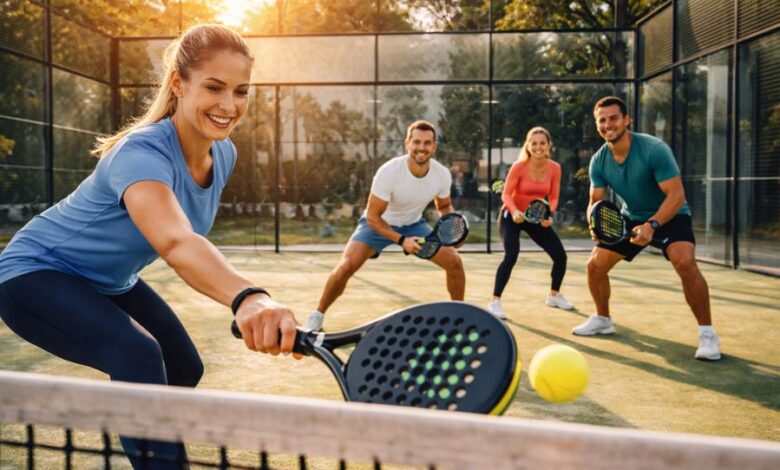
Padel is quickly becoming one of the most talked-about trends in modern sport. Once seen as a niche activity enjoyed in select clubs and holiday destinations, padel has become a global movement attracting players of all ages and skill levels. Combining the best parts of tennis and squash, padel offers a unique playing experience that is energetic, strategic, social, and easy to enjoy from the very first game.
Padel stands out for balancing fun with competition. Unlike traditional racket sports that can take years to master, padel is often praised for being beginner-friendly. The smaller court, underhand serve, and enclosed walls help create longer rallies and make the game approachable. Experienced players are drawn to its tactical depth and fast pace.
The appeal of padel sports lies in how they meet modern demands for accessible, community-driven, and enjoyable exercise. As fitness and social wellness become more valued, padel is expanding across diverse locations—from sports clubs to resorts and urban parks. Its rapid spread underscores a main argument: padel responds to shifting lifestyles by delivering health, fun, and connection in one.
What Is Padel Sporting?
Padel sporting is the game and culture of padel, played mainly in doubles on an enclosed, smaller-than-tennis court. The glass walls and metal mesh are used strategically to add creativity and excitement to every rally.
Players use a solid racket and a slightly less pressurized tennis-like ball. Scoring mirrors tennis, making rules familiar. Unlike tennis, padel focuses on placement, angles, teamwork, and anticipation over sheer power.
This combination gives padel sporting broad appeal. It attracts tennis players, beginners, casual fitness enthusiasts, and those seeking a more engaging way to stay active.
Why Padel Sporting Is Growing So Fast
The rise of padel is driven by its direct response to what people want from sports today—a combination of accessibility, excitement, and community.
First, it is highly social. Since most matches are played in doubles, communication and teamwork are essential. Friends, families, and colleagues often find it more welcoming than singles-based sports. The atmosphere around padel courts tends to be lively and inclusive, encouraging repeat play and fostering a strong community culture.
Second, it is easier to learn than traditional tennis. Beginners enjoy rallies quickly without years of training. Early success keeps people interested and motivated to improve.
Third, padel fits well with urban life. Compact courts allow for facilities in areas unsuitable for full-size tennis courts. This supports expanding the sport’s city and leisure spaces.
Key Features That Drive the Padel Sporting Revolution
The smaller area keeps players engaged. Less empty space means quick exchanges and constant decisions. Success requires positioning, timing, and awareness, not just strength.
Walls That Change the Game
Walls are a key feature. After the ball bounces, players can use the glass to continue points. This introduces unpredictable angles and longer rallies, adding a tactical and entertaining layer.
Underhand Serves and Longer Rallies
The underhand serve reduces overpowering serves and enables natural point development. Balanced rallies keep the game fun for all skill levels.
Health and Fitness Benefits of Padel Sporting
Padel sporting is fun and good for health. It involves constant movement, quick changes in direction, and repeated high effort. It builds cardiovascular fitness, agility, coordination, and reflexes.
Because the sport is dynamic yet not overly intense, it appeals to a wide age range. Many people find it less physically intimidating than other competitive sports, yet it remains an effective workout. A single match can provide a strong mix of exercise and enjoyment, making it easier for players to stay consistent with their activity.
Padel boosts mental health, too. It demands focus, teamwork, and rapid thinking. Its social side reduces stress and lifts mood. Players enjoy movement, laughter, and competition—a satisfying way to stay active.
Padel Sporting and Social Connection
As people seek healthier lives and social ties, padel offers both. More than a game, it fosters interaction. Players chat between points, celebrate rallies, and often stay to socialize after matches.
This strong community aspect has helped padel develop a loyal following. Sports clubs frequently find that padel courts become hubs of activity, where friendships grow, and regular events attract people back week after week. In addition, hospitality brands have also noticed this trend, using padel as a lifestyle feature that brings people together.
Who Can Play Padel Sporting?
One of the best things about padel sporting is its accessibility. Children can enjoy it because the court is smaller and easier to cover. Adults appreciate the balance of competition and recreation. Older players often find it manageable because it does not require the same level of explosive serving or court coverage as tennis.
This broad reach makes padel ideal for mixed groups. Beginners often play with experienced partners, creating inclusion. The sport rewards smart play and teamwork, not just athleticism.
The Future of Padel Sporting
The future of padel sporting is promising precisely because it fulfills the essential needs of today’s sports culture. With growing investments in facilities and events, padel’s unique mix of fitness, entertainment, and social connection positions it to reshape the sporting landscape for years to come.
Padel fits current lifestyles. People want healthy, efficient, social, and enjoyable activities. Padel delivers all of these. Many experts see it as more than a trend but a rising staple of global sport.
Conclusion
Padel stands out in the modern sports world for delivering a rare balance: accessibility combined with lasting excitement. Easy for beginners, yet continuously engaging for experienced players, padel’s core features—enclosed courts, underhand serves, tactical walls, and doubles format—embody the qualities essential to today’s evolving idea of sport.
The sport’s rise clearly illustrates a shift in what people seek from sporting activities—movement, connection, and a sense of challenge, all in equal measure. Padel sporting encapsulates these goals, making it an exceptionally relevant answer for a wide audience. As more courts open and interest spreads, padel is well-positioned to become a defining success in contemporary sport.
(FAQs)
What is padel sporting?
Padel sporting refers to the sport of padel and its wider playing culture. It is a racket sport that combines elements of tennis and squash and is typically played in doubles on an enclosed court.
Why is padel sporting so popular?
It is popular because it is social, fun, easy to learn, and suitable for people of many ages. Players can enjoy rallies quickly, making the game highly engaging from the start.
Is padel sporting easier than tennis?
Many beginners find padel easier than tennis because the court is smaller, the serve is underhand, and the walls help keep the ball in play longer.
What equipment is used in padel sporting?
Players use a solid padel racket and a ball similar to a tennis ball. The game is played on a smaller enclosed court with glass and mesh walls.
Can beginners play padel sporting?
Yes, beginners can start playing padel sporting with very little experience. The rules are straightforward, and the game is designed to help new players enjoy it quickly.