Matt Hamshaw: From Midfield Grit to Managerial Pressure
The playing career, coaching growth, and hard lessons that shaped a modern English football figure

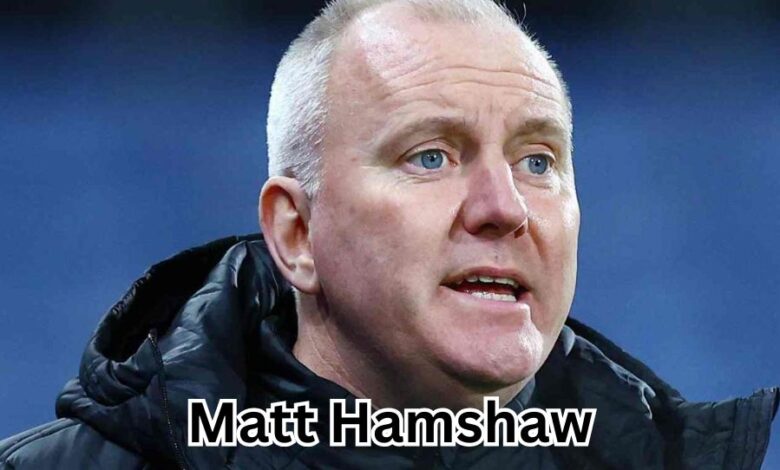
Matt Hamshaw built his reputation in English football through resilience, discipline, and a deep understanding of the game. He was never a glamorous star or headline-making celebrity. Instead, his career reflected the values at the core of English football: hard work, reliability, tactical awareness, and a willingness to grow.
Born in Rotherham, South Yorkshire, Hamshaw’s journey has taken him from the youth ranks at Sheffield Wednesday to a solid professional playing career across the Football League and then into coaching and management. That path has made him an increasingly respected football figure, particularly among those who understand the demands of lower-league football and the value of coaches who earn their place through experience rather than image.
Hamshaw’s story shows that football careers continue after playing ends, often bringing new challenges. Transitioning from player to coach and manager revealed his strengths and the demands of modern football leadership.
Quick Bio
| Field | Details |
|---|---|
| Full Name | Matt Hamshaw |
| Date of Birth | 1 January 1982 |
| Age | 44 years old |
| Birthplace | Rotherham, South Yorkshire, England |
| Nationality | English |
| Profession | Former footballer, coach, and manager |
| Playing Position | Midfielder |
| Youth Club | Sheffield Wednesday |
| Notable Clubs | Sheffield Wednesday, Stockport County, Mansfield Town, Notts County, Macclesfield Town |
| Known For | Football League career, coaching rise, Rotherham United management |
Early Life and Football Foundations
Matt Hamshaw was born on 1 January 1982 in Rotherham, a town with a strong football culture and a deep attachment to the sport. Growing up in South Yorkshire, he developed in an environment where competitive football was part of everyday life. That local football culture helped shape his character early.
His talent took him into the academy system at Sheffield Wednesday, one of the region’s historic clubs. Breaking into a professional setup is difficult for any young player, but Hamshaw progressed through the ranks because of his composure, awareness, and steady technical quality. He was not simply a runner or a battler. He was a thoughtful midfielder who could read the game and contribute with intelligence.
Sheffield Wednesday and the First Big Step
Hamshaw made his breakthrough into Sheffield Wednesday’s senior team in 2000. Playing mainly in midfield, he became part of a club going through a difficult and transitional period. These were not easy years for Wednesday, but they were important for Hamshaw’s development. He learned the pressures of senior football at a club with a demanding fan base and a proud history.
Those early years gave him more than appearances. They instilled in him a sense of responsibility, patience, and professionalism. He was also recognised at the youth international level, representing England at schoolboy and under-18 levels, which underlined the quality he showed as a young player.
A Dependable Football League Career
After leaving Sheffield Wednesday, Hamshaw built the kind of playing career that many professionals would respect. He joined Stockport County and was made captain, a detail that speaks volumes about how he was viewed in the dressing room. Leadership is not handed out lightly, especially to a relatively new arrival, and it reflected the trust he inspired.
He then moved to Mansfield Town, where he enjoyed one of the most substantial spells of his career. Mansfield became an important chapter, giving him regular football and a chance to establish himself as a key player. From there, he joined Notts County and was part of the club’s League Two title-winning campaign in 2009-10, adding a notable success to his playing record. He later played for Macclesfield Town before winding down his playing career in non-league football.
What Kind of Player Was Matt Hamshaw?
Hamshaw was not the type of footballer whose game relied solely on flair. He built his career on consistency and understanding. He could play with discipline, keep shape, and do the less glamorous work that managers value. Throughout his career, he made 375 appearances and scored 26 goals, a record that reflects longevity and utility rather than brief flashes of brilliance.
The Shift from Playing to Coaching
A key part of Hamshaw’s journey is how he moved purposefully into coaching, quickly embracing the next phase without drifting into retirement.
He joined Rotherham United in a youth development role in 2012. This was not an immediate leap into first-team management. It was a grounded, practical start in player development. He worked with younger age groups, helping to shape talent and understand the broader demands of coaching beyond matchday preparation.
Coaching young players taught Hamshaw patience, communication, and structure. Understanding the game as a player is different from teaching it.
Growth at Rotherham United
Hamshaw spent many years at Rotherham United, gradually rising through the coaching structure. He moved from youth development into first-team coaching, joining the staff under Paul Warne. During that broader period, Rotherham enjoyed significant success, including promotion and silverware in the EFL. Hamshaw’s long service at the club helped establish him as a credible and trusted football coach with deep ties to the institution and the local area.
Derby County and a Bigger Stage
In September 2022, Hamshaw followed Paul Warne to Derby County as first-team coach. This move elevated his coaching profile by involving him in strategy development and supporting players in a higher-pressure environment. It also reflected that his work at Rotherham had earned wider respect within the game.
At Derby, Hamshaw joined a staff expected to deliver under pressure. After Warne’s dismissal in February 2025, Hamshaw became caretaker manager, briefly taking on more responsibility and showing he was trusted in a challenging period.
The Return to Rotherham as Manager
Hamshaw returned to Rotherham United in 2025 and was later appointed as the club’s permanent manager. In many ways, it seemed like a natural appointment. He knew the club, understood the local culture, and had already invested years of work there as a coach. Supporters often respond positively to managers who feel connected to the club’s identity, and Hamshaw certainly fits that profile.
The Reality of Managerial Challenges
Management is the most unforgiving role in football. A coach can excel behind the scenes, but a manager is judged publicly by results. Hamshaw’s time as Rotherham manager showed how sharp that pressure can be.
In March 2026, after a heavy defeat during a tough relegation battle, Rotherham United dismissed Hamshaw. Despite his long association with the club, the decision reflected football’s harsh emphasis on results over sentiment.
What Matt Hamshaw’s Story Says About English Football
Hamshaw’s career illustrates that valuable football figures aren’t always superstars. Many earn their roles through years of dedication, learning, setbacks, and growth.
Hamshaw represents this kind of professional: a solid playing career, a deep commitment to coaching, trust earned at established clubs, and, eventually, a step into management. His path was not glamorous, but it was authentic and shaped by experience across all levels of the professional game.
Legacy and Professional Identity
Despite setbacks, Hamshaw’s career reflects a generation of English coaches shaped by real experience in dressing rooms, training grounds, and league environments, giving substance to his professional identity.
His journey is not simply about success or failure in one role. It is about endurance in a demanding profession. For that reason, Matt Hamshaw remains notable in discussions about modern English coaching and the challenging transition from dependable player to manager.
(FAQs)
Who is Matt Hamshaw?
Matt Hamshaw is an English former professional footballer and coach from Rotherham, South Yorkshire. He played as a midfielder and later moved into coaching and management.
Which clubs did Matt Hamshaw play for?
He played for Sheffield Wednesday, Stockport County, Mansfield Town, Notts County, and Macclesfield Town before later spending time in non-league football.
What is Matt Hamshaw known for in football?
He is known for his solid Football League playing career, his long association with Rotherham United as a coach, and his later work as a first-team coach and manager.
Did Matt Hamshaw manage Rotherham United?
Yes, he became Rotherham United manager, but his spell ended in March 2026 during a difficult relegation battle.
Why is Matt Hamshaw considered a respected football figure?
He is respected for his professionalism, coaching development, knowledge of the English game, and for working through multiple levels of football with consistency and commitment.