Brand crises rarely arrive with warning. A spokesperson controversy, a cultural misstep, or shifting public sentiment can instantly turn a well-crafted campaign into a reputational risk. In today’s fast-moving digital landscape, brands are expected to respond almost immediately and visuals are often the first thing that needs fixing.
Traditionally, crisis rebranding required halting campaigns, organizing costly reshoots, and waiting weeks for updated assets. But with the emergence of AI-powered visual tools, particularly Face Swap technology, brands now have a faster and more efficient alternative.
Face Swap AI is redefining how companies handle crisis situations by enabling rapid visual updates without the need for reshooting. This shift is not just about convenience, it’s about survival in an era where perception changes in real time.
The Evolution of Crisis Rebranding in the Digital Age
In the past, rebranding during a crisis was a resource-heavy process. If a campaign featured outdated messaging or a problematic figure, brands typically had to:
- Pull all existing content
- Restart production from scratch
- Absorb both financial and reputational losses
However, the rise of digital-first marketing has changed expectations. Businesses are now required to adapt instantly to market feedback. Research from Harvard Business Review highlights how digital transformation in business is pushing organizations toward faster, more flexible decision-making models.
This evolution has created demand for tools that allow brands to make quick visual changes while maintaining consistency and quality.
Understanding Face Swap AI in a Branding Context
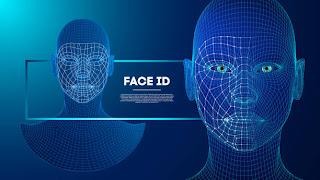
Face Swap AI leverages deep learning to replace one face with another in images or videos while preserving expressions, lighting and perspective. What began as experimental technology has matured into a practical solution for marketing teams.
Built on techniques such as neural networks and image synthesis, Face Swap allows brands to modify visual content without rebuilding it. This is particularly valuable during crisis rebranding, where speed and precision are critical.
Instead of discarding entire campaigns, brands can now selectively update elements that pose a risk, saving both time and resources.
Why Crisis Rebranding Demands Speed
In the age of social media, brand perception can shift within hours. A delay in response can amplify negative sentiment and lead to long-term damage.
For example, if a campaign features a public figure who becomes controversial, brands must act quickly to distance themselves. Waiting weeks for reshoots is no longer viable.
Face Swap AI offers a solution by enabling:
- Immediate replacement of individuals in visuals
- Rapid deployment of updated assets
- Continuity across marketing channels
This ability to respond in real time can significantly reduce the impact of a crisis.
Rapid Visual Refresh Without Reshooting
One of the most transformative aspects of Face Swap AI is its ability to refresh visuals without starting over. This approach provides several advantages:
Cost Efficiency
Traditional reshoots involve hiring talent, securing locations, and coordinating production teams. These costs can escalate quickly, especially for large campaigns.
Face Swap eliminates much of this expense by allowing brands to reuse existing assets and make targeted changes.
Time Savings
Reshooting and editing campaigns can take weeks. In contrast, AI-powered face replacement can be completed in a fraction of the time, enabling faster turnaround.
Creative Consistency
Maintaining visual consistency is crucial during rebranding. Face Swap ensures that lighting, angles, and overall composition remain unchanged, avoiding disruptions in brand identity.
Practical Implementation in Modern Workflows
AI-powered tools are making Face Swap technology increasingly accessible. For instance, platforms like Higgsfield provide intuitive solutions for replacing faces in images while preserving visual realism.
The Face Swap feature available at allows teams to quickly modify visuals without requiring advanced technical skills. This makes it easier for marketing teams to respond to crises without relying heavily on external production resources.
Higgsfield enables rapid iteration, allowing brands to test multiple variations and deploy updated creatives efficiently. This flexibility is particularly valuable when timing is critical.
The Growing Role of AI in Visual Marketing
Visual content plays a central role in modern marketing strategies. Studies consistently show that visuals drive higher engagement and better audience retention compared to text-only content.
Face Swap AI enhances visual marketing by enabling:
- Faster content adaptation
- Scalable personalization
- Real-time campaign adjustments
These capabilities align with broader trends in advancements in generative AI, where content creation is becoming more dynamic and responsive to audience needs.
Beyond Crisis: Expanding Use Cases
While crisis rebranding is a major driver, Face Swap AI is also being used in other strategic areas:
Localization
Brands can adapt campaigns for different regions by swapping faces to reflect local audiences without reshooting content.
A/B Testing
Marketers can experiment with different visual identities or spokespersons to determine what resonates best.
Content Revitalization
Older campaigns can be updated with fresh visuals, extending their relevance and lifespan.
Ethical Considerations in Face Swap Technology
As with any powerful technology, Face Swap AI comes with ethical responsibilities. Misuse can lead to misinformation, identity manipulation and erosion of trust.
Discussions around the ethics of synthetic media emphasize the importance of transparency and accountability. Brands must ensure that their use of AI aligns with ethical standards and does not mislead audiences.
Best practices include:
- Being transparent about AI-generated content when necessary
- Securing consent for the use of likenesses
- Avoiding deceptive or manipulative applications
Responsible usage is essential to maintaining credibility while leveraging AI capabilities.
The Technology Powering Face Swap AI
Face Swap AI is built on advanced machine learning models trained on large datasets. Key components include:
- Facial recognition and landmark detection
- Image synthesis and blending techniques
- Deep neural networks for realism
Research on Generative Adversarial Networks (GANs) has played a significant role in enabling realistic face replacement.
Why Brands Are Adopting Face Swap AI
Several factors are driving the rapid adoption of Face Swap technology:
Real-Time Reputation Management
Brands must respond quickly to protect their image. Face Swap enables immediate action.
Cost Optimization
AI-driven solutions reduce the need for expensive reshoots and production cycles.
Demand for Personalization
Consumers expect tailored experiences, and Face Swap allows brands to deliver personalized visuals at scale.
Challenges and Limitations
Despite its advantages, Face Swap AI is not without challenges:
- Variability in output quality depending on input data
- Ethical concerns around misuse
- Evolving regulations governing AI-generated content
Brands must approach implementation thoughtfully to maximize benefits while minimizing risks.
The Future of Crisis Rebranding
As AI technology continues to advance, Face Swap capabilities are expected to become even more sophisticated. Future developments may include:
- Real-time face replacement in video
- AI-generated brand ambassadors
- Automated visual adaptation systems
Platforms like Higgsfield are already contributing to this evolution by making advanced image manipulation tools accessible and efficient.
Conclusion: A New Era of Adaptive Branding
Face Swap AI is transforming crisis rebranding from a slow, reactive process into a fast, adaptive strategy. By enabling rapid visual updates without reshooting, it helps brands maintain continuity, reduce costs, and respond effectively to changing circumstances.
As the digital landscape continues to evolve, the ability to adapt quickly will become a defining characteristic of successful brands. Face Swap technology is not just a trend, it is a fundamental shift in how visual identity is managed in times of crisis.