Ingebim: Transforming Infrastructure Through Advanced BIM Engineering
How Digital Engineering and Smart Modelling Are Shaping the Future of Construction

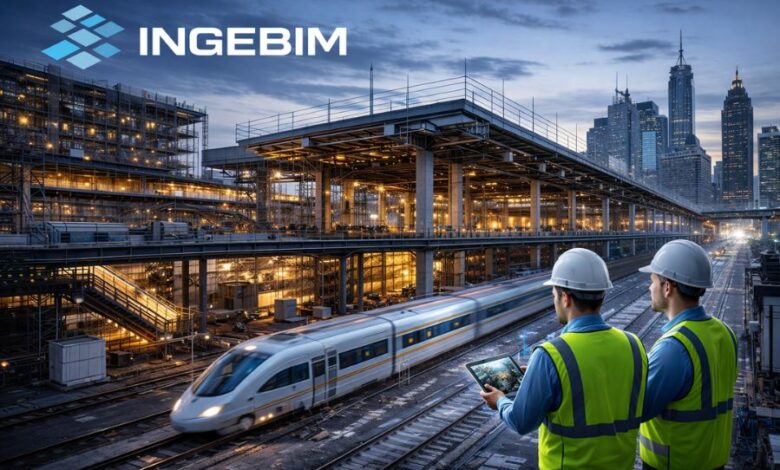
In the modern construction industry, efficiency, accuracy, and collaboration are essential to delivering successful projects. Traditional design and construction methods often lead to miscommunication, design conflicts, and costly delays. This is where Ingebim has positioned itself as a leading force in Building Information Modelling (BIM) and digital engineering.
Ingebim is an international engineering consultancy focused on advanced BIM services, digital modelling, and infrastructure project coordination. By integrating intelligent design technologies with engineering expertise, the company helps infrastructure projects become smarter, faster, and more reliable.
As global construction projects become increasingly complex, companies like Ingebim play a vital role in bridging the gap between design, engineering, and construction teams. Through innovative digital solutions, the organization helps reduce project risks, improve collaboration, and ensure efficient project execution.
Understanding Ingebim and Its Role in Digital Engineering
The Vision Behind Ingebim
Ingebim operates with a clear vision of improving the construction industry through digital transformation. By applying advanced BIM technologies, the company ensures that every phase of a project is accurately planned and coordinated.
Building Information Modelling is more than just 3D design. It is a collaborative process that integrates architectural, structural, and engineering data into a single digital environment. Ingebim specialises in creating digital ecosystems that enable project stakeholders to visualise, analyse, and manage construction projects effectively.
By leveraging digital engineering solutions, the company helps organizations make informed decisions that drive cost savings and improve project outcomes.
How Ingebim Uses BIM to Improve Construction Projects
Advanced BIM Modelling
At the core of Ingebim’s services is advanced BIM modelling. This technology allows engineers and designers to create detailed digital representations of buildings and infrastructure systems.
These models contain valuable data about materials, dimensions, structural elements, and mechanical systems. By analyzing this information before construction begins, teams can detect potential design conflicts and resolve them early in the planning stage.
This proactive approach significantly reduces construction errors and helps projects stay on schedule.
Digital Twin Technology
One of the most innovative aspects of Ingebim’s work is the development of Digital Twins. A digital twin is a virtual replica of a physical asset such as a building, bridge, railway, or tunnel.
Digital twins allow engineers and project managers to monitor infrastructure performance, simulate different scenarios, and make improvements in real time. This technology is becoming increasingly important in modern infrastructure management.
Ingebim’s expertise in digital twin technology helps clients maintain infrastructure systems more efficiently while reducing operational costs.
Ingebim’s Consultancy Services Across the Project Lifecycle
Strategic Planning and Design Support
Ingebim provides consulting services from the earliest stages of project development. During the planning phase, the company works closely with architects, engineers, and developers to establish efficient BIM workflows.
These workflows ensure that project data is organized, accessible, and consistent throughout the design and construction process.
Project Coordination and Management
Large infrastructure projects often involve multiple engineering disciplines and contractors. Without proper coordination, this complexity can lead to delays and costly rework.
Ingebim’s BIM coordination services help integrate all design components into a unified digital model. This process allows project teams to identify clashes between systems such as structural frameworks, electrical installations, and mechanical systems.
Through careful coordination and data management, Ingebim ensures smoother project execution.
Asset Management and Lifecycle Optimisation
Beyond construction, Ingebim also supports the long-term management of infrastructure assets. The company’s digital models provide valuable information for maintenance, upgrades, and operational planning.
This lifecycle approach allows asset owners to manage buildings and infrastructure systems more efficiently over time.
Major Infrastructure Projects Supported by Ingebim
Ingebim has contributed to numerous infrastructure projects worldwide, demonstrating its expertise in complex engineering environments.
Santiago Metro Line 7
One of the most notable projects involving Ingebim is the expansion of the Santiago Metro Line 7 in Chile. The company provided BIM coordination services that helped engineers manage complex underground infrastructure systems.
The use of BIM technology allowed project teams to visualize tunnel designs, station layouts, and mechanical systems in a detailed digital environment.
North Santiago Highway Upgrade
Ingebim also supported the modernization of the North Santiago Highway. Infrastructure upgrades require careful coordination between civil engineering, transportation planning, and construction teams.
By implementing BIM workflows, Ingebim helped streamline communication between stakeholders and improve design accuracy.
Swiss Railway Infrastructure Projects
In Europe, Ingebim has worked on railway and tunnel engineering initiatives, including the Etagnières Railway Corridor and the Montreux Twin-Tunnel feasibility study.
These projects required advanced digital modelling to analyze geological conditions, structural designs, and transportation infrastructure.
Global Presence and Industry Collaboration
Although Ingebim operates internationally, its expertise extends across multiple regions and industries. The company has collaborated with organizations involved in transportation infrastructure, urban development, and civil engineering.
In addition to project consulting, Ingebim also partners with educational institutions to promote BIM training and professional development. Collaborations with technology and engineering institutes help advance the adoption of digital construction methodologies.
This focus on education and knowledge sharing ensures that the next generation of engineers is prepared to work with advanced digital engineering tools.
Why BIM Engineering Is the Future of Construction
The construction industry is rapidly moving toward digitalization. BIM technology is now considered a critical component of modern project management.
Companies like Ingebim are helping drive this transformation by demonstrating how digital modelling improves project efficiency.
When BIM is implemented effectively, it provides numerous benefits, including improved project visualization, better communication between teams, and reduced construction risks.
Digital engineering also allows infrastructure systems to be designed with long-term sustainability in mind.
As governments and private developers continue to invest in large infrastructure projects, demand for BIM specialists will continue to grow.
The Impact of Ingebim on Modern Infrastructure Development
Ingebim’s work highlights the growing importance of data-driven decision-making in engineering. By combining technical expertise with advanced digital tools, the company helps organizations deliver projects with greater accuracy and efficiency.
Infrastructure projects such as metros, highways, railways, and tunnels require careful planning and coordination. Ingebim’s BIM services provide the technological foundation for managing these complex systems.
Through innovative digital engineering strategies, the company continues to contribute to smarter infrastructure development worldwide.
Conclusion
Ingebim represents the evolution of engineering in the digital age. By integrating BIM technology, digital twins, and advanced project coordination strategies, the company helps infrastructure projects achieve greater efficiency and accuracy.
As the construction industry continues to adopt digital transformation, organizations that embrace BIM engineering will have a significant advantage. Ingebim’s expertise in digital modelling and infrastructure consulting positions it as an important contributor to the future of global construction and engineering.
(FAQs)
What is Ingebim known for?
Ingebim is known for providing advanced BIM modelling, digital engineering solutions, and infrastructure project coordination. The company specializes in helping large construction projects improve efficiency through digital technology.
What does BIM mean in construction?
BIM stands for Building Information Modelling. It is a digital process for creating intelligent 3D models that contain data on buildings and infrastructure systems. BIM helps project teams plan, design, and manage construction projects more effectively.
How does Ingebim improve construction efficiency?
Ingebim improves construction efficiency by using digital modelling to identify design conflicts before construction begins. This reduces errors, saves time, and minimizes project costs.
What industries benefit from Ingebim’s services?
Industries such as transportation infrastructure, civil engineering, urban development, and large construction projects benefit from Ingebim’s BIM and digital engineering services.
Why is digital engineering important for infrastructure projects?
Digital engineering enables engineers to simulate, analyse, and optimise infrastructure designs before construction begins. This leads to better project planning, improved safety, and more sustainable infrastructure systems.