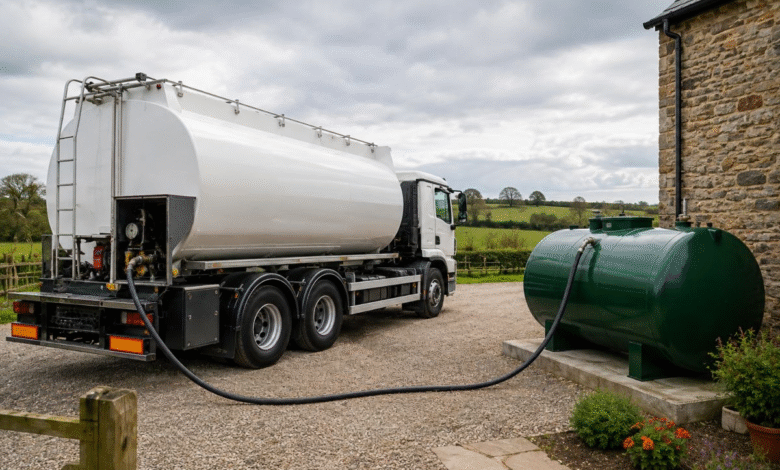
Fuel is essential for keeping homes warm, businesses operating and machinery moving. However, arranging a reliable supply is not always straightforward, particularly when properties, worksites or commercial operations are located across different parts of the country.
A dependable Nationwide Fuel Delivery service provides customers with access to suitable fuel products without limiting them to a single local area. From domestic heating oil and agricultural fuel to commercial diesel requirements, an organised delivery network can help reduce delays, maintain productivity and prevent unexpected shortages.
Understanding how nationwide delivery works can help households and businesses make better purchasing decisions, plan fuel usage and avoid disruption during periods of high demand.
Why Reliable Fuel Delivery Matters
Running out of fuel is more than a minor inconvenience. For a household, it may mean losing heating and hot water. For a business, it could result in stopped machinery, missed deadlines and reduced productivity.
A reliable delivery service helps customers maintain an adequate supply before fuel levels become critical. This is particularly important during winter, when demand increases and poor weather may affect transport routes.
Consistent fuel availability can support:
- Domestic heating systems
- Agricultural machinery
- Construction equipment
- Backup generators
- Commercial vehicle fleets
- Manufacturing operations
- Industrial heating systems
- Remote facilities and temporary worksites
Planning deliveries in advance gives customers greater control over their fuel supply and reduces the pressure of arranging urgent orders.
How Nationwide Delivery Supports Different Customers
Fuel requirements vary considerably between customers. A rural household may only need heating oil a few times each year, while a commercial organisation could require scheduled deliveries across several locations.
A nationwide service can support a broad range of sectors by coordinating deliveries according to volume, location and operational needs.
Domestic Properties
Many rural homes rely on heating oil because they are not connected to the mains gas network. These households need dependable deliveries to maintain heating during colder months.
Homeowners should monitor their tanks regularly and place orders before levels become too low. Waiting until a tank is almost empty may limit delivery options and create unnecessary urgency.
Farms and Agricultural Businesses
Agricultural operations use fuel for tractors, generators, harvesters and other essential machinery. A delayed delivery can interrupt time-sensitive work, particularly during planting and harvesting seasons.
Planned deliveries allow farmers to maintain fuel availability across busy periods while reducing the risk of equipment being left idle.
Construction Sites
Construction projects often depend on diesel-powered plant, temporary generators and site machinery. Fuel shortages can stop work completely and affect project deadlines.
A coordinated delivery service can supply active sites in different regions, helping contractors manage projects without relying on last-minute local arrangements.
Commercial and Industrial Operations
Factories, warehouses, transport companies and other businesses may require regular fuel supplies to support daily operations. These customers often need accurate scheduling, clear documentation and dependable delivery windows.
Businesses operating across multiple sites may benefit from using one supplier rather than managing separate arrangements in every region.
Benefits of Using a Nationwide Fuel Supplier
Working with a supplier that covers a wide geographic area can simplify fuel management, especially for organisations with several properties, depots or worksites.
Key benefits may include:
- Wider coverage: Deliveries can be arranged across numerous towns, cities and rural areas.
- Simpler administration: Customers can manage orders through one supplier rather than multiple regional providers.
- Consistent service: Similar ordering and delivery procedures can be used at different locations.
- Flexible quantities: Fuel volumes can be matched to domestic, agricultural or commercial requirements.
- Planned scheduling: Regular deliveries can reduce the risk of unexpected shortages.
- Emergency support: Faster options may be available when fuel is needed urgently.
- Clearer budgeting: Centralised orders can make fuel expenditure easier to track.
The exact benefits will depend on the supplier, delivery area and type of fuel required, so customers should confirm service details before placing an order.
Choosing the Correct Fuel Type
Ordering the wrong product can damage equipment, interrupt operations and create expensive disposal problems. Customers should always confirm which fuel is suitable for their heating system, vehicle, generator or machinery.
Commonly requested products may include:
Heating Oil
Kerosene is widely used in domestic oil-fired heating systems. It is typically stored in a tank outside the property and supplied by a delivery tanker.
Before ordering, homeowners should check the boiler manufacturer’s guidance and confirm the required fuel type.
Red Diesel
Red diesel is a rebated fuel permitted only for certain authorised uses. Customers must understand whether their activity qualifies before making a purchase.
Using rebated fuel incorrectly may lead to penalties, so businesses should stay informed about the rules that apply to their sector.
White Diesel
Standard road diesel may be required for vehicles, generators, plant and commercial operations. Delivery quantities can range from smaller emergency supplies to larger bulk orders.
Hydrotreated Vegetable Oil
Hydrotreated vegetable oil, commonly known as HVO, may be used as a lower-carbon alternative to conventional diesel in compatible equipment.
Customers should confirm that their machinery or engines are approved for its use before switching products.
What to Check Before Placing an Order
Providing accurate information allows the supplier to plan the delivery safely and efficiently. Customers should inspect their storage arrangements and confirm all key details before ordering.
Important information includes:
- The correct fuel type
- Required delivery volume
- Full delivery address
- Preferred delivery date
- Current tank level
- Tank capacity
- Access restrictions
- Hose distance from the tanker
- Contact details for the site
- Any required delivery instructions
It is also sensible to check whether the tanker can access the property safely. Narrow roads, weak bridges, parked vehicles, locked gates and overhanging branches may create difficulties for the driver.
Monitor Fuel Levels Regularly
Many emergency orders happen because customers do not check their tanks frequently enough. A regular monitoring routine can prevent fuel levels from reaching a critical point.
For domestic tanks, homeowners can use a manual gauge, sight tube or electronic monitoring device. Businesses with larger fuel requirements may use remote tank-monitoring systems that provide alerts when levels fall below a set point.
Good monitoring habits include:
- Checking the tank more often during winter
- Recording typical monthly consumption
- Increasing checks during busy business periods
- Ordering before the tank reaches its minimum level
- Investigating sudden or unusual fuel loss
- Inspecting the tank for visible leaks
Tracking usage over time also helps customers estimate when their next delivery will be needed.
Prepare the Site for Delivery
A safe delivery requires more than an accessible tank. Customers should make sure the surrounding area is clear and that the storage system is in suitable condition.
Before the tanker arrives:
- Unlock gates and tank access points.
- Move vehicles away from the delivery route.
- Clear obstacles from around the tank.
- Keep children and pets away from the area.
- Check that the fill point is clearly identifiable.
- Make sure the tank has enough available capacity.
- Inform the supplier about unusual access conditions.
- Ensure someone is available if attendance is required.
These simple preparations can prevent delays and help the driver complete the delivery safely.
Avoiding Common Ordering Mistakes
Fuel deliveries are easier to manage when customers avoid a few common errors.
Do not:
- Wait until the tank is completely empty.
- Guess the fuel type without checking.
- Order more fuel than the tank can hold.
- Forget to mention restricted site access.
- Provide an incomplete address or postcode.
- Ignore visible damage to the storage tank.
- Assume urgent delivery is always available.
- Leave the fill point locked or inaccessible.
A few minutes spent checking the order can prevent far more serious problems later.
Understanding Delivery Times
Delivery times can vary depending on location, fuel availability, order volume, traffic, weather and seasonal demand. Winter is often one of the busiest periods because domestic heating requirements rise significantly.
Customers who know they will need fuel should place orders early rather than relying on emergency delivery. Commercial users may also benefit from setting up repeat orders based on expected consumption.
However, scheduled deliveries should still be reviewed regularly. Fuel usage may change because of weather conditions, increased production, new machinery or altered business activity.
Fuel Storage and Tank Maintenance
A reliable delivery cannot compensate for a damaged or poorly maintained tank. Customers are responsible for ensuring that their storage system remains safe and suitable.
Tank inspections should look for:
- Cracks or bulging
- Rust and corrosion
- Damaged pipework
- Leaking connections
- Unstable supporting bases
- Faulty gauges
- Water contamination
- Signs of unauthorised access
Any suspected leak should be handled promptly. Escaped fuel can damage the environment, affect nearby property and lead to significant clean-up costs.
Professional inspection may be needed if the tank is old, damaged or showing signs of structural weakness.
Plan Fuel Requirements More Effectively
Good fuel management is based on preparation rather than urgency. Customers should understand their average consumption, maintain their storage equipment and allow enough time for delivery.
Businesses with multiple locations can create a central fuel plan covering:
- Expected monthly consumption
- Tank capacities at each site
- Minimum reorder levels
- Seasonal demand changes
- Emergency contact procedures
- Delivery access information
- Responsible staff members
- Fuel expenditure records
This organised approach helps reduce downtime and makes future orders easier to manage.
Choose a Supplier That Fits Your Needs
Price is important, but it should not be the only consideration when selecting a supplier. Delivery coverage, communication, fuel quality and reliability can be equally valuable.
Before ordering, consider:
- Which locations are covered?
- What fuels are available?
- Are minimum quantities required?
- Can urgent deliveries be arranged?
- Are scheduled orders available?
- How are prices confirmed?
- What payment methods are accepted?
- Is delivery documentation provided?
- What support is available if plans change?
For customers seeking dependable fuel supplies across different locations, 123 Oil can be considered when comparing delivery options, available products and service coverage.
Final Thoughts
A well-organised fuel supply can help households stay warm, farms continue working and businesses avoid expensive interruptions. The most effective approach is to monitor consumption, maintain storage tanks and place orders before fuel levels become dangerously low.
Customers should always confirm the correct product, provide accurate access information and choose a supplier capable of meeting their delivery needs. With proper planning, fuel deliveries can become a predictable part of home or business management rather than a stressful last-minute problem.