Types of Product Defects
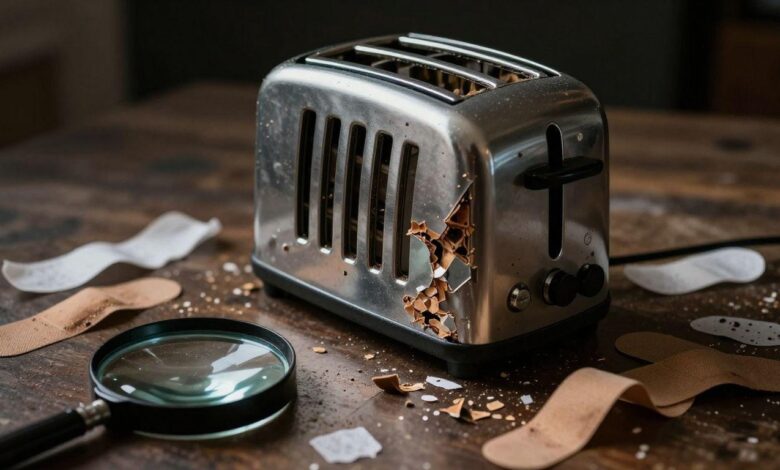
When a product causes harm, it’s often because of a defect. These issues usually fall into three main categories. First, there are design defects. This means the product’s blueprint itself was flawed, making it unsafe even if manufactured perfectly. Think of a toy designed with small, detachable parts that a child could easily swallow.
Next are manufacturing defects. Here, the design might be sound, but something went wrong during the production process. This could be a mistake in assembly, use of bad materials, or a failure to follow safety standards. A car with improperly installed brakes due to a factory error is an example.
Finally, there are warning defects, also known as marketing defects. This happens when a product has inherent dangers that aren’t obvious, and the manufacturer fails to provide adequate instructions or warnings about those risks. A medication that doesn’t warn about serious side effects would fit this category.
Legal Theories for Holding Parties Accountable
When someone is injured by a faulty product, the law provides ways to hold the responsible parties accountable. One major approach is called strict liability. This means you don’t have to prove the manufacturer was careless or intended to cause harm. If the product was defective when it left the manufacturer’s control and that defect caused your injury, the manufacturer can be held liable.
Another avenue is negligence. This theory focuses on the conduct of the manufacturer, designer, or seller. You would need to show that they failed to exercise reasonable care in making, designing, or warning about the product, and this failure led to your injury. This often involves looking at industry standards and whether they were met.
Breach of warranty is also a possibility. This can be based on an express warranty (like a written guarantee) or an implied warranty (like the expectation that a product will work as intended). If the product didn’t live up to its advertised performance or implied safety, and that caused harm, a breach of warranty claim might apply.
Proving a Defective Product Case
To win a case involving a defective product, you generally need to show a few key things. First, you must prove that the product itself was defective. This ties back to the types of defects we discussed – design, manufacturing, or warning issues.
Second, you need to demonstrate that you were using the product in a way that was reasonably foreseeable. Manufacturers aren’t usually responsible if you use their product in a completely bizarre or unintended manner that leads to injury.
Third, and critically, you must establish a direct link, or causation, between the product’s defect and your injury. The defect must have been the actual cause of the harm you suffered. Finally, you need to show that you suffered actual damages as a result, such as medical bills, lost wages, or pain and suffering.
Proving a defective product case often requires detailed investigation and expert analysis to connect the dots between the flaw, the usage, and the resulting harm.
Identifying Liable Parties in Defective Product Cases
When a product causes harm, it’s not always just the company whose name is on the box that’s responsible. Several different players in the product’s journey from creation to your hands could share liability. Figuring out who is responsible is a key step in any defective product claim.
The Role of Manufacturers and Designers
Manufacturers and designers are often the first ones pointed to when a product fails. They are responsible for creating products that are safe for their intended use. This means they need to think about potential dangers during the design phase and also have good processes to catch mistakes during production. If a product has a flaw because of how it was designed or made, the manufacturer can be held accountable. This is especially true if they knew or should have known about a problem but didn’t fix it.
Liability of Distributors and Retailers
Distributors and retailers also play a part in getting products to consumers. While they might not have designed or manufactured the item, they can still be liable. This often happens if they continue to sell a product after learning it’s unsafe. Think about a store that keeps selling a toy known to have small parts that break off easily, even after reports of children choking. They are part of the chain of distribution, and if they don’t act responsibly, they can share the blame for injuries caused by a defective product.
Accountability of Component Part Suppliers
Many products are made up of smaller parts, each often made by a different company. If one of these component parts is defective and causes the final product to fail and injure someone, the supplier of that part can be held accountable. For example, if a car’s brakes fail because a specific part supplied by a third party was faulty, that component part supplier could be liable. This means that even if the car manufacturer seems like the obvious party to blame, the investigation might lead back to the company that made the faulty component.
Common Defective Products Leading to Injury
Automotive Component Failures
Cars are complex machines, and when a part fails, it can lead to serious accidents. Think about airbags that don’t deploy, brakes that suddenly stop working, or tires that blow out unexpectedly. These aren’t just minor inconveniences; they can cause severe injuries or even fatalities. A defective automotive component can turn a routine drive into a dangerous situation. Holding the responsible parties accountable often requires proving the part was defective when it left the manufacturer and that this defect directly caused the harm.
Proving a defective product liability case involving automotive parts requires establishing that the part contained a defect when it left the manufacturer’s control and that this defect caused or substantially contributed to your injuries.
Medical Device Malfunctions
Medical devices are meant to improve health, but sometimes they cause more harm than good. Defective implants, faulty surgical tools, or malfunctioning pacemakers can lead to additional surgeries, long-term health problems, or worse. These cases can be complicated because they often involve manufacturers, distributors, and sometimes even healthcare providers. The focus is on whether the device itself was unreasonably dangerous due to a design flaw, a manufacturing error, or a failure to warn about known risks. A malfunctioning medical device can have devastating consequences for a patient’s life.
Dangerous Consumer Goods
Many everyday items we rely on can pose a risk if they’re defective. This includes everything from power tools with faulty safety guards that can lead to amputations, to children’s toys that have small parts that can become choking hazards. Even household appliances can malfunction and cause fires or injuries. Consumers expect the products they buy to be safe for their intended use. When a dangerous consumer good causes injury, it’s important to understand who is liable, whether it’s the manufacturer, distributor, or retailer. These cases highlight the need for rigorous safety standards in product design and manufacturing.
Navigating Legal Defenses in Product Liability
When someone gets hurt by a faulty product, the company responsible might try to get out of paying. They often have lawyers ready with common defenses. It’s important to know what these are so you can be prepared. These defenses aim to shift blame or argue the product wasn’t actually the problem.
Addressing Claims of Product Misuse
One common tactic is claiming the injured person used the product incorrectly. This is called product misuse. The company might say you weren’t using it as intended or that you did something unexpected. However, if the misuse was something the company could have reasonably guessed might happen, they might still be on the hook. They should have designed the product to be safe even with foreseeable misuse.
Understanding Comparative Negligence
Another defense is comparative negligence. This means they argue that your own actions contributed to your injury. If you were partly at fault, it could reduce the amount of money you get. In many places, if you’re found to be more than 50% at fault, you might not get anything at all. This is why it’s important to show you acted reasonably.
Countering State-of-the-Art Defenses
Sometimes, a company will claim their product was as safe as possible given the technology available when it was made. This is the state-of-the-art defense. They’re saying they used the best science and engineering known at the time. To fight this, you might need to show that safer designs or warnings were actually feasible and known in the industry, even if they weren’t adopted.
It’s not uncommon for manufacturers to employ a range of legal arguments to avoid responsibility. Understanding these potential defenses is the first step in building a strong case.
- Product Misuse: Claiming the user acted in an unforeseeable way.
- Comparative Negligence: Arguing the injured party shares fault.
- State-of-the-Art Defense: Asserting the product met the best standards at the time of manufacture.
- Alteration of Product: Claiming the product was changed after purchase.
Fighting these defenses requires careful investigation and often expert testimony. The goal is to show that despite these arguments, the product was indeed defective and caused the injury. This is where legal support becomes really important for defective product cases.
The Importance of Legal Representation
Why You Need an Experienced Attorney
When a defective product causes harm, the path to getting fair compensation can get complicated fast. Companies that make and sell these products usually have big legal teams and insurance companies ready to defend them. They might try to say the product wasn’t actually defective, or that you used it wrong. This is where having a lawyer who knows product liability cases really makes a difference. They understand the ins and outs of these complex claims and can stand up to powerful corporations on your behalf.
An experienced attorney can help you figure out who is responsible. Was it the company that designed the product, the one that manufactured it, or maybe the store that sold it? Sometimes, it’s a combination of parties. A lawyer will investigate thoroughly to identify all potentially liable parties. This ensures you’re not just going after one company when others also played a role in your injury. They know how to build a strong case by gathering all the necessary information and presenting it effectively.
Without legal support, you might miss important deadlines or accept a settlement that doesn’t truly cover your losses. A good lawyer works to get you the full amount you deserve for medical bills, lost wages, pain, and suffering. They handle the legal heavy lifting so you can focus on healing. Remember, pursuing a defective product claim often requires specialized knowledge, and that’s exactly what a dedicated attorney brings to the table. Working with a defective product attorney from Strong Law can help injured consumers pursue a free case review and understand their legal options after a serious product-related injury.
Gathering Crucial Evidence
To win a defective product case, you need solid proof. This means collecting physical evidence, like the product itself if it’s safe to handle, and any packaging or instructions that came with it. You’ll also need documents such as receipts, warranties, and medical records detailing your injuries and treatment. Witness statements can also be very helpful, especially if someone saw the product malfunction or if they have experience with similar issues.
Photographs and videos are powerful tools. Documenting the defect, the scene of the accident, and your injuries can provide a clear picture of what happened. If the product is too dangerous to keep, your attorney can arrange for it to be professionally documented and stored safely. The goal is to preserve everything that could help show the product was faulty and caused your harm.
Collecting and preserving evidence is a critical first step in any defective product claim.
Building a Strong Case for Compensation
Once the evidence is gathered, the next step is building a compelling case. This involves understanding the specific legal theories that apply to your situation, such as manufacturing defects, design defects, or failure to warn. Your attorney will use the collected evidence to demonstrate how the product was unsafe and how that defect directly led to your injuries.
They will also calculate the full extent of your damages. This includes not just immediate medical costs but also future medical care, lost income from being unable to work, and compensation for pain and suffering. A lawyer can bring in expert witnesses, like engineers or medical professionals, to explain complex technical issues and the impact of your injuries to a judge or jury.
Finally, your legal team will negotiate with the responsible parties or their insurance companies. If a fair settlement can’t be reached, they will be prepared to take your case to trial. Their goal is to secure the maximum compensation possible to help you recover and move forward after a devastating injury caused by a defective product.
Seeking Justice After a Defective Product Injury
Damages Available for Your Injuries
When a defective product causes harm, victims often face significant medical bills, lost income, and pain. The law recognizes these losses and allows for compensation. This can include money for medical treatment, both past and future. It also covers lost wages if you can’t work because of your injuries. Beyond economic losses, compensation can be awarded for pain and suffering. This acknowledges the physical and emotional toll the injury has taken. The goal is to make the injured party whole again, as much as possible.
The Statute of Limitations for Claims
There’s a time limit to file a lawsuit after a defective product injury. This is called the statute of limitations. In many places, it’s two years from the date of the injury. However, sometimes the injury isn’t obvious right away. In such cases, a “discovery rule” might apply, giving more time. It’s really important to know these deadlines. Missing them means losing the chance to seek compensation. Acting fast is key to protecting your rights.
Preserving Critical Evidence for Your Case
Gathering and keeping evidence is vital for a defective product claim. The product itself is often the most important piece of evidence. If possible, don’t throw it away. Keep it safe. Photos of the product and the injury scene can also be very helpful. Witness statements can provide valuable information. Medical records document the extent of your injuries. Preserving critical evidence helps build a strong case and shows how the product’s defect led to your harm. This evidence is what lawyers use to prove fault and seek justice.
Conclusion
When a product fails and causes harm, the path to recovery can be complicated. Understanding the different types of defects and who might be responsible is the first step. However, navigating the legal system, especially against large manufacturers, often requires specialized knowledge. This is where an experienced legal professional, like a construction accident attorney who also handles product liability cases, becomes invaluable. They can help gather evidence, understand complex legal defenses, and build a strong case to seek the compensation you deserve for your injuries. Don’t try to face these challenges alone; seek the support of legal counsel to ensure your rights are protected.