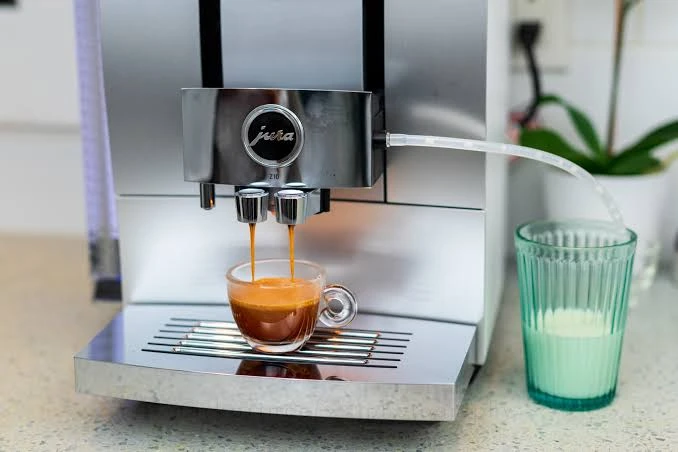
Medium roast, 100 percent Arabica beans with moderate oil content work best in a Jura machine. These beans grind evenly, don’t clog the internal grinder, and produce the balanced crema Jura’s brewing system is designed around. Dark, oily beans and pre-ground coffee tend to cause the most problems, from grinder jams to inconsistent shots.
Jura machines use a built-in ceramic grinder set up for a fairly narrow range of bean types, which is part of why they’re popular in busy settings. Anyone running a jura commercial coffee machine day after day will notice the difference bean choice makes within the first week, both in taste and in how often the machine needs attention.
The best beans for a Jura machine are medium roast, 100 percent Arabica, with low to moderate surface oil. Avoid very dark or oily roasts, as they clog the grinder burrs and brew units over time. Freshly roasted whole beans, used within 3 to 4 weeks of roasting, give the most consistent results.
Why Bean Choice Matters for Jura Machines
Jura’s grind-and-brew system relies on consistent bean density and moisture content to hit its programmed dose and extraction times. Beans that are too oily or too dry throw that calibration off, which shows up as weak, bitter, or inconsistent cups even when every setting on the machine looks correct.
Getting the pairing right isn’t complicated once you know what to look for, and it’s something the team at Coffee Seller gets asked about often, since the wrong bean is usually behind most of the complaints about a machine underperforming, not a fault with the machine itself.
Bean Origin and Roast Level
Origin affects flavour, but roast level affects how the machine handles the bean. Medium roasts sit at the right density for Jura’s grinder settings, giving a clean grind without excess fines or oil residue building up in the chute.
Oil Content and Grinder Wear
Dark roasted beans release oil to the surface during roasting. That oil sticks to grinder burrs and brew group components, gradually reducing grind consistency and making cleaning cycles less effective over time.
Best Bean Types for Jura Machines
Not all beans marketed for espresso machines suit a bean to cup system the same way. A few categories consistently perform well.
1. Medium Roast Arabica Blends
These offer a balance of sweetness, acidity, and body that suits automatic extraction. They also grind cleanly, which matters more in a machine that doses and tamps without human adjustment.
2. 100 Percent Arabica vs Blends
Pure Arabica beans tend to give smoother, more rounded cups with less bitterness, while Arabica-Robusta blends add body and crema strength. For most Jura users, a higher Arabica ratio gives more predictable results across different drink types.
Beans to Avoid
• Very dark or oily Italian-style roasts, which clog grinder mechanisms
• Flavoured beans with added oils or syrups, which leave residue in the hopper
• Pre-ground coffee, which bypasses the built-in grinder and often clumps
• Beans older than 4 to 6 weeks past roast date, which lose aromatic oils needed for good crema
Matching Beans to Machine Settings
Jura machines let you adjust grind fineness and dose strength, and these settings should shift slightly depending on the bean. A slightly coarser grind suits oilier beans, while a finer grind draws out more flavour from lighter roasts without over-extracting.
| Roast Level | Recommended Grind | Typical Result |
| Light roast | Fine to medium | Bright, acidic, needs careful dosing |
| Medium roast | Medium | Balanced flavour, consistent crema |
| Dark roast | Coarse | Bold, bitter-leaning, higher maintenance |
Choosing the Best Jura Commercial Machine for Your Bean Preference
Machine model matters almost as much as bean choice. Some Jura models have grinder settings built for a wider bean range, while others are tuned more narrowly for consistency at high volume. Before settling on a bean supplier, it helps to know which model you’re working with, since the best Jura commercial coffee machine for a cafe pulling hundreds of cups daily will handle a wider variety of roasts than a smaller unit designed for lighter use.
Jura Machines in Office Settings
Offices tend to have mixed coffee preferences among staff, which makes bean selection a bit more of a balancing act. A Jura coffee machine for office use generally performs best with a versatile medium roast blend that satisfies both black coffee drinkers and those who prefer milk-based drinks, rather than switching between multiple bean types throughout the week.
Jura Professional Machines for High Volume Use
Volume changes wear patterns on any grinder. A Jura professional coffee machine handling 200 or more cups a day needs beans that grind cleanly and consistently batch after batch, since even small inconsistencies get magnified across that many shots. Sticking to one reliable medium roast, rather than rotating bean types often, keeps output steady and reduces the need for constant setting adjustments.
Bean Storage and Freshness Tips
Storage affects performance just as much as roast level. A few habits keep beans working well in any Jura hopper:
• Store beans in an airtight container away from direct light and heat
• Buy in quantities that get used within 3 to 4 weeks of the roast date
• Avoid refrigerating or freezing beans, as condensation affects grind consistency
• Keep the hopper lid closed between uses to limit exposure to air and moisture
Frequently Asked Questions
1. What roast level works best in a Jura machine?
Medium roast beans work best. They grind evenly, produce consistent crema, and don’t leave the oil residue that dark roasts often do inside the grinder.
2. Can I use flavoured beans in a Jura machine?
It’s not recommended. Flavoured beans often contain added oils that build up in the hopper and grinder, affecting both taste and long-term performance.
3. Is pre-ground coffee suitable for Jura machines?
No. Jura machines are built around whole bean grinding for freshness and consistency, and pre-ground coffee bypasses that system entirely, often leading to poor extraction.
4. How fresh should beans be for best results?
Beans within 3 to 4 weeks of their roast date give the best flavour and crema. Beans older than 6 weeks lose the aromatic oils needed for a good shot.
5. Do Jura machines work with dark roast beans?
They can, but dark roasts leave more oil residue and require more frequent cleaning. Medium roasts are generally easier on the grinder and brew unit.
6. What’s the difference between Arabica and Robusta for Jura machines?
Arabica beans give a smoother, more balanced cup and grind more predictably. Robusta adds body and caffeine strength but can taste harsher on its own in automatic machines.
7. How often should I clean the grinder if I switch bean types often?
Switching roasts or origins frequently means cleaning the grinder more often, ideally every few weeks, to prevent flavour crossover and buildup from different oil levels.
8. Does bean choice affect how often I need to descale?
Not directly. Descaling relates to water hardness rather than bean type, though oily beans can add to general maintenance needs around the brew unit.
Final Thoughts
Bean choice makes a bigger difference to Jura performance than most people expect. Sticking with medium roast, fresh, 100 percent Arabica or Arabica-forward blends keeps the grinder running cleanly and the coffee tasting the way the machine was designed to deliver it.
Coffee Seller stocks a range of Jura machines and compatible beans, and can help match the right combination to your daily volume, whether that’s a single unit for a small office or a higher capacity setup for a busy commercial site.