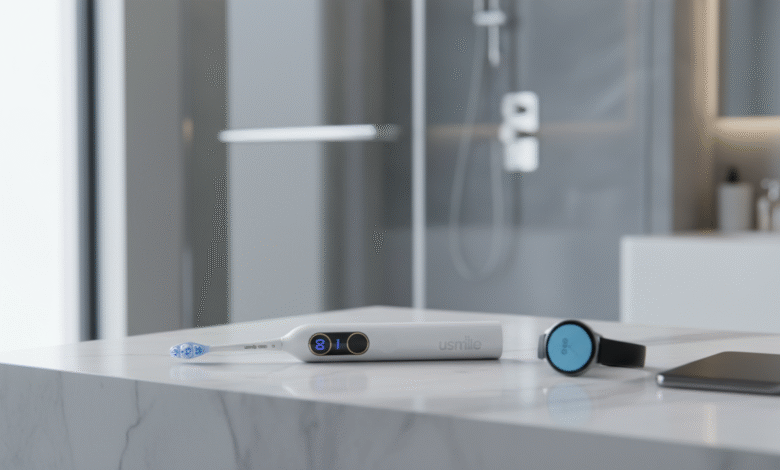
HealthTech is no longer limited to hospitals, clinical software, or wearable fitness trackers. It is moving into the everyday spaces where people actually build their habits — the bedroom, the kitchen, the home gym, and increasingly, the bathroom.
That shift makes sense when you look at adoption patterns. Pew Research Center data shows that the vast majority of US adults now own a smartphone, and connected health devices — smartwatches, sleep trackers, glucose monitors, even meditation apps — have become a normal part of daily life. The next frontier is not bigger devices. It is the small, repeated routines that have been overlooked because they always felt too simple to optimize.
Oral care is one of the clearest examples. Brushing used to be a mostly manual ritual: pick up a toothbrush, brush for a while, rinse, move on. The problem is that many daily health habits get done on autopilot. People may brush every day, but still miss areas, stop too soon, or apply too much pressure. Smart oral care devices are starting to change that — not by making brushing feel complicated, but by making it more visible, consistent, and easier to improve.
Why Oral Care Is Becoming Part of Everyday HealthTech
Modern consumers are used to feedback. Smartwatches track sleep stages and heart rate variability. Fitness apps log every workout. Nutrition platforms quantify what people eat. Even meditation apps guide breathing and mood patterns. Across the board, daily wellness has become more data-informed.
Oral care has historically been the exception. It is one of the most repeated health behaviors in a person’s life, but most people have had almost no feedback on how well they actually brush at home. That gap is exactly what makes it a natural target for smart oral hygiene innovation: a high-frequency, high-impact habit that has been quietly under-instrumented for decades.
Smart oral care devices are turning brushing from a passive routine into a feedback-supported habit. Instead of only asking “Did I brush?” users can start asking better questions: Did I brush long enough? Did I miss the back teeth? Did I press too hard? Am I getting more consistent over time?
The Problem with Traditional Brushing Habits
Traditional brushing depends heavily on technique. The American Dental Association recommends brushing for two minutes, twice a day, with a soft-bristled brush. In practice, behavioral research has long suggested most adults fall short of that benchmark and miss the same zones in their mouth day after day. A manual brush can be effective when used properly, but “properly” requires attention people do not always have at 7 a.m. on a busy Tuesday.
The most common brushing issues are simple but easy to overlook. Some people brush too quickly. Some focus mainly on the front teeth. Some miss the gumline, inner surfaces, or back molars. Others brush harder than necessary because they assume extra pressure means a better clean.
| IN ONE LINEMost brushing problems are not caused by lack of effort. They are caused by lack of feedback. |
What Makes Smart Oral Care Devices Different?
A smart oral care device does not simply move faster. It helps users understand what happens during a brushing session.
Depending on the product, smart features may include motion sensors, pressure feedback, brushing zone detection, app-connected reports, personalized modes, guided brushing prompts, and oral-map visualization. The underlying idea is consistent: reduce uncertainty, replace guesswork with signal, and make a repeated habit easier to improve over time.
As brands develop more advanced smart electric toothbrushes, oral care is becoming less about effort and more about guided daily improvement. The best of these devices are not just adding technology for its own sake. They use sensors and software to solve practical problems: missed spots, inconsistent timing, excessive pressure, and difficulty building a stable routine.
How Sensors and App Feedback Improve Daily Brushing
Sensors are useful precisely because they detect patterns users do not notice on their own. A person might believe they are brushing evenly, but a smart toothbrush can reveal that one side of the mouth consistently gets less attention. Another user may not realize they are pressing too hard until a pressure alert appears.
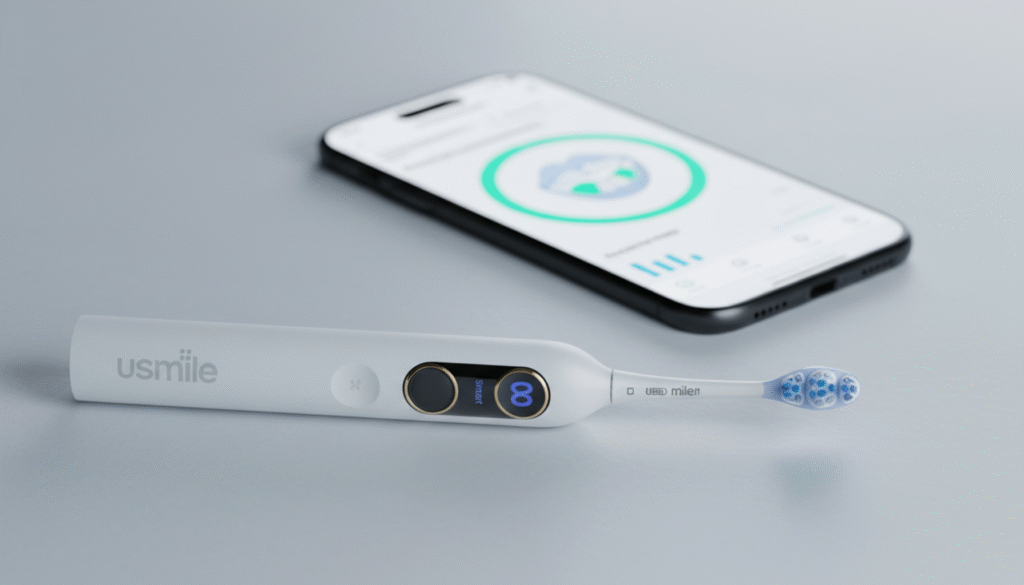
App feedback adds a second layer. It can surface brushing duration, coverage, frequency, and progress over time, the same way a fitness app surfaces step counts, training load, or sleep efficiency. The point is not to check more data for the sake of it. The point is awareness — when users can see patterns, they can adjust them.
For people who want better habits but do not want to overthink every detail, smart feedback can make daily brushing feel more structured without adding meaningful time to the routine.
Guided Brushing Turns a Routine Task Into a Measurable Habit
Guided brushing is one of the most practical developments in this category. It helps users follow a more complete brushing path instead of relying on memory or instinct. A guided system may prompt users to move to the next zone, highlight missed areas, or visualize coverage through an app interface.
Oral-map style feedback makes the process even clearer by showing exactly which areas have been covered and where more attention may be needed. The Y20 PRO AI Electric Toothbrush is one example of this shift, combining app-connected tracking, guided brushing, and oral-map style feedback to help users better understand their daily brushing routine.
This kind of feature tends to resonate with users who already track other parts of their health. They are not looking for a gadget. They are looking for the same kind of structured feedback they already get from their watch, their workout app, or their sleep tracker — applied to a habit they repeat 700+ times a year.
Why Smart Toothbrushes Fit the Modern Wellness Routine
Wellness has become more practical and data-informed. People are not only asking what products they should buy; they are asking which tools help them repeat better habits. That framing is exactly why smart toothbrushes fit naturally into the broader HealthTech landscape.
Oral care is not something people do once in a while. It is a twice-daily routine, repeated for a lifetime. Small improvements in consistency can matter precisely because they compound. For busy professionals, parents, frequent travelers, and anyone trying to simplify health routines, the appeal is clear: a smart toothbrush can make brushing feel less like a chore and more like a guided habit.
It also fits a larger trend in consumer HealthTech. The most useful devices are not always the most complicated ones. They are the ones that quietly make better behavior easier to repeat.
Practical Benefits Users Actually Care About
For most users, smart oral care is not about novelty. It is about solving real problems in a routine they already perform every day. A smart oral care device can help users:
- Brush for a more consistent amount of time
- Notice areas they tend to miss
- Reduce brushing guesswork
- Avoid excessive pressure
- Build better brushing habits over time
- Track progress through app feedback
- Stay consistent during travel or busy schedules
These benefits sound modest. That is the point. Smart devices win in everyday HealthTech when they make small routines easier to repeat correctly — not when they try to overhaul them.
Smart Oral Care Does Not Replace Dental Professionals
It is worth being clear: smart toothbrushes are home-care tools, not medical treatments. They do not replace dentists, hygienists, or professional cleanings. Anyone experiencing bleeding gums, persistent sensitivity, or other oral health concerns — issues outlined by the National Institute of Dental and Craniofacial Research — should speak with a dental professional.
The right way to think about smart oral care is as support between appointments. It can help users improve consistency, notice missed areas, and develop better daily routines, but it should sit inside a broader oral health plan that includes regular checkups and proper cleaning between teeth. Responsible HealthTech empowers users without making promises it cannot keep.
What to Look for in a Smart Electric Toothbrush
A good smart electric toothbrush should make brushing easier, not more confusing. When evaluating options, the features that matter most are the ones that support real daily behavior:
- Guided brushing — helps reduce missed areas and gives structure to each session
- Pressure feedback — helps users avoid brushing too hard
- App reports — make brushing habits visible over time
- Multiple modes — support different needs, such as daily cleaning, gum care, sensitive brushing, or stain removal
- Long battery life — useful for travel and busy weeks
- Comfortable brush head — encourages consistent use
- Simple maintenance — keeps the device practical long-term
The best device is rarely the one with the longest spec sheet. It is the one that helps a person brush better with less friction.
The Future of Everyday HealthTech Starts with Small Habits
The next wave of HealthTech will not only happen in hospitals or advanced medical platforms. It will also happen in the habits people repeat every morning and night — the ones that have been hiding in plain sight, too familiar to notice.
Smart oral care devices are part of that shift. They bring sensors, apps, AI, and guided routines into one of the most common health behaviors in daily life. The real promise is not that they make brushing futuristic. It is that they make brushing easier to understand and easier to improve.
As HealthTech continues moving into everyday life, the most useful innovations may not be the ones that demand more attention. They may be the ones that help people build better habits quietly, consistently, and with less guesswork.