The Complete Homeowner’s Guide to Pro Roof Restoration: What to Expect, What It Costs, and How Long It Lasts

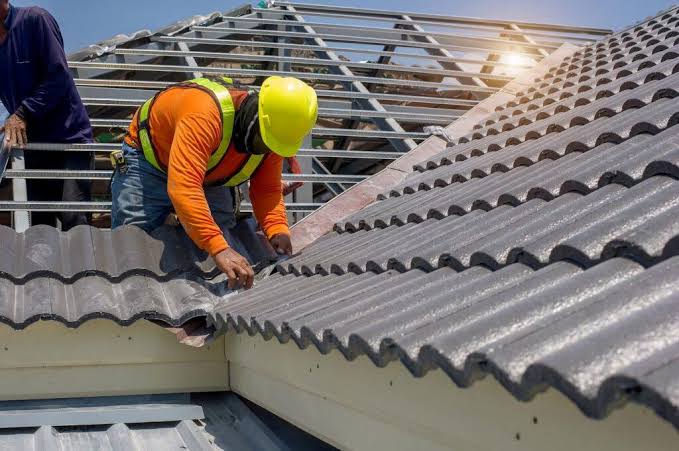
A roof does not announce its decline with drama. It degrades gradually — through seasons of UV exposure, temperature shifts, wind-driven debris, and moisture that works its way into small gaps before becoming a serious structural concern. By the time a homeowner notices water stains on a ceiling or damaged shingles collecting in the gutters, the underlying deterioration has often been building for years.
This is not a problem of neglect in the careless sense. Most homeowners simply do not have a framework for understanding where their roof stands in its lifecycle, what a realistic restoration involves, or how to evaluate whether repair, restoration, or full replacement is the appropriate response. Without that framework, decisions tend to happen reactively — often at the worst time, under pressure, with limited information.
This guide is written to provide that framework. It covers what roof restoration actually involves at a process level, how costs form and what drives them, how long restored roofs realistically perform, and what homeowners should understand before committing to a contractor or a scope of work.
What Roof Restoration Actually Involves
Roof restoration is a process of returning a structurally sound but deteriorated roof to full performance without removing and replacing the entire roofing system. It is distinct from patching and distinct from replacement. The distinction matters because it determines the scope of work, the materials involved, the timeline, and — critically — the long-term outcome.
When homeowners research pro roof restoration, they often encounter a range of descriptions that blur these distinctions. A useful reference point is that professional restoration work typically includes inspection and documentation of existing conditions, surface preparation such as cleaning and treatment of biological growth, targeted repair of compromised components, and the application of protective or restorative coatings designed to extend the functional life of the existing system. Resources like the National Roofing Contractors Association outline the professional standards that govern this kind of work, which is relevant when evaluating what a contractor’s scope actually commits them to delivering.
Understanding what pro roof restoration entails at a process level helps homeowners ask better questions and recognize when a proposal is genuinely comprehensive versus superficially broad.
The Role of Surface Preparation in Restoration Outcomes
Surface preparation is often underestimated by homeowners evaluating restoration proposals, yet it is one of the clearest predictors of how long the restoration will perform. A coating or treatment applied to a surface that still carries biological growth, oxidation, or embedded debris will not bond correctly. The result is premature failure — not of the product, but of the application. Professional-grade preparation typically includes pressure washing calibrated to the roofing material, treatment of algae and moss with solutions that neutralize the root structure rather than simply removing visible growth, and dry time protocols before any material is applied. Homeowners reviewing contractor proposals should look for explicit reference to preparation steps, not just materials and labor. A proposal that moves directly from inspection to coating application without describing preparation in detail is a proposal worth questioning.
Repair Versus Restoration: Understanding the Boundary
Restoration is appropriate when the existing roofing system retains structural integrity but has lost surface performance. This typically means the substrate — whether shingles, tiles, metal panels, or membrane — is functionally intact but showing signs of weathering, granule loss, oxidation, or minor cracking that has not yet allowed moisture intrusion into the structural layers.
When moisture has already penetrated into the deck or when the primary material has passed the point of surface restoration, the conversation shifts to partial or full replacement. Honest restoration contractors will identify this boundary clearly during inspection and document it. Homeowners should be cautious of any contractor who proposes restoration without a documented condition assessment, as applying restorative products to a structurally compromised surface compounds rather than resolves the underlying problem.
How Restoration Costs Are Structured
Roof restoration costs are not uniform, and understanding the variables that drive them is more useful than relying on broad average figures. The final cost of a restoration project reflects the condition of the existing roof, the size and complexity of the roof geometry, the materials selected, and the scope of preparatory and repair work required before any restorative treatment is applied.
Condition Assessment as the Starting Point for Cost
The initial inspection is not simply a formality before issuing a quote. For professional restoration work, the inspection determines the actual scope of the project. A roof in early-stage deterioration with intact substrate and minor surface weathering will require less preparatory intervention than a roof showing significant biological colonization, oxidized coatings, or localized areas of compromised flashing.
Homeowners who receive multiple quotes will sometimes find significant variation between them. This variation is not always about price competition — it often reflects different assessments of what the roof actually requires. A lower quote that omits necessary preparatory work is not a savings; it is a deferred cost with compounding consequences. Asking each contractor to walk through their inspection findings and explain how those findings shaped their proposed scope is a practical way to evaluate whether quotes are genuinely comparable.
Material Selection and Its Influence on Longevity
The materials applied during restoration — whether elastomeric coatings, acrylic systems, silicone formulations, or specialized tile sealants — carry different performance profiles and price points. Material selection should be driven by the existing roofing substrate, the local climate conditions, and the expected performance period the homeowner is planning for.
Cheaper materials applied to a well-prepared surface will outperform premium materials applied poorly, but neither outcome is ideal. The relationship between material quality, preparation quality, and application method determines the actual performance of the restored roof.
Contractors who can explain this relationship clearly, with reference to the specific materials they are proposing and why those materials are appropriate for the existing conditions, are demonstrating the kind of technical engagement that professional restoration work requires.
Realistic Performance Expectations After Restoration
One of the most practical questions homeowners ask is how long a professionally restored roof will continue to perform before requiring further intervention. The answer is honest but not simple: performance duration depends on the quality of the restoration work, the condition of the roof at the time of treatment, the material system applied, and the climate the roof is exposed to year-round.
Why Performance Duration Is Not a Fixed Number
Restoration timelines vary because roofing conditions vary. A roof treated at an early stage of deterioration, prepared thoroughly, and treated with a high-performance coating system in a moderate climate will outperform a restoration conducted later in the roof’s decline, in a region with extreme thermal cycling or significant annual rainfall. This is not a caveat — it is the actual mechanism by which roof performance works.
Homeowners should be skeptical of guarantees that are not connected to documented conditions. A performance commitment from a contractor who has completed a detailed inspection, documented the roof’s condition before work began, and specified the materials applied is substantively different from a generic warranty attached to a proposal that lacks that documentation. The documentation is what makes the guarantee meaningful.
Maintenance After Restoration and Its Effect on Longevity
Pro roof restoration extends the functional life of an existing system, but it does not eliminate the need for ongoing attention. Periodic inspection — particularly after significant weather events — allows minor issues to be identified before they compromise the restored surface. Keeping gutters clear, addressing tree limbs that make contact with the roof surface, and ensuring that attic ventilation is functioning correctly all contribute to sustained performance. Homeowners who treat restoration as a one-time event and then disengage from roof maintenance will see shorter performance periods than those who maintain a basic annual review schedule. The restored roof requires less intensive attention than a deteriorating one, but it is not maintenance-free. Treating it as such shortens the return on the investment made in restoration.
Selecting a Contractor for Restoration Work
Contractor selection is where most restoration projects succeed or fail. The scope, the materials, and the execution are all determined by the contractor and crew performing the work, which makes the selection process consequential in a way that cannot be recovered from downstream.
What Credentials and Documentation Actually Signal
Licensing requirements for roofing contractors vary by jurisdiction, but insurance — specifically general liability and workers’ compensation — is a non-negotiable baseline. Beyond insurance, contractor experience with restoration specifically is relevant. Restoration work requires different knowledge and equipment than new installation or simple repair, and experience in one area does not automatically transfer to the other.
References from restoration projects — not just roofing projects broadly — allow homeowners to speak with people who have seen the contractor’s work perform over time. Asking how the roof is performing two or three years after restoration is more informative than asking whether the customer was satisfied with the crew’s behavior during the project.
Reading a Restoration Proposal Carefully
A well-constructed restoration proposal describes the existing condition findings, the preparatory steps that will be taken, the specific materials being applied, the application method and expected coverage, the timeline, and the warranty terms with their specific conditions. Proposals that omit any of these elements are proposals that have not fully accounted for the work involved.
Homeowners do not need to be roofing experts to evaluate proposals effectively. They need to ask what each line item represents, why each preparatory step is included, and what conditions would void the warranty. Contractors who answer these questions clearly and directly, without retreating into vague reassurances, are demonstrating the transparency that professional restoration work warrants.
Closing Perspective
Roof restoration occupies a specific and valuable position in the range of options available to homeowners managing aging roofing systems. It is not a workaround or a lesser alternative to replacement — when applied at the right stage of a roof’s lifecycle, to a system that retains structural integrity, by contractors who execute the work with appropriate preparation and materials, it is a technically sound and cost-effective approach to extending roof performance. The homeowners who get the most from restoration are those who engage early — before the roof has deteriorated beyond the point where restoration is viable — and who invest time in understanding what the process involves before selecting a contractor or approving a scope of work. That investment in understanding does not require technical expertise. It requires the kind of structured, methodical thinking that this guide is meant to support.
If the roof on your home is showing signs of surface weathering, minor cracking, or biological growth but has not yet begun allowing moisture intrusion into structural layers, a professional restoration assessment is a reasonable and timely next step. The earlier that assessment happens, the more options remain available — and the more straightforward and cost-effective the path forward tends to be.