The Complete Freight Rail Lubricant Guide: What Every US Railroad Operator Needs to Know in 2025

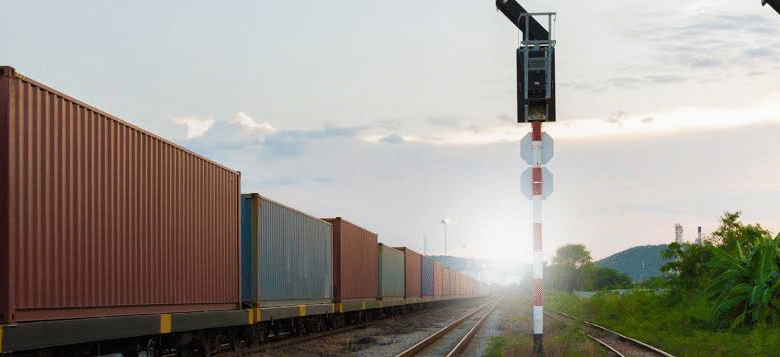
Freight rail operations in the United States move billions of tons of cargo each year across hundreds of thousands of miles of track. Behind that scale of movement sits a network of mechanical systems that depend on consistent, well-managed lubrication to stay operational. When lubrication fails or is applied incorrectly, the consequences are not limited to accelerated wear. They extend to unplanned maintenance windows, delayed shipments, increased fuel consumption, and in some cases, safety incidents that draw regulatory attention.
In 2025, US railroad operators are dealing with a combination of aging infrastructure, tighter operating margins, and increasing pressure from customers and regulators alike. The decisions made around lubricant selection and application are not peripheral to those pressures — they sit directly inside them. This guide addresses the core elements of freight rail lubrication that every maintenance manager, fleet operator, and procurement lead needs to understand to keep trains running reliably and cost-effectively.
What Freight Rail Lubrication Actually Involves
Lubrication in freight rail is not a single product or a single practice. It is a system of applications across multiple components, each with different friction environments, load conditions, and exposure risks. The term freight rail lubricant covers a range of specialized products — including flange lubricants, top-of-rail friction modifiers, bearing greases, and rail curve lubricants — that are formulated for the specific demands of heavy-load, high-contact railway environments. For operators who want a structured starting point, the Freight Rail Lubricant guide provides a category-level breakdown of the products used across these applications.
What distinguishes rail lubrication from other industrial lubrication is the combination of contact pressures, speed variation, and environmental exposure that rail components experience daily. A loaded freight car exerts enormous force on the rail head and wheel flange with every curve negotiated. Without the right lubricant in the right location, that force translates directly into metal loss — on the rail, on the wheel, or both.
The Difference Between Wheel Flange and Top-of-Rail Lubrication
Wheel flange lubrication and top-of-rail friction management serve different purposes and should not be treated as interchangeable. Flange lubrication is applied to reduce lateral contact wear between the wheel flange and the gauge face of the rail. It is most critical in curves where the wheel is pressed against the inner rail, creating high friction and material loss over time.
Top-of-rail friction management, by contrast, is applied to the running surface of the rail to control longitudinal creep forces — the subtle slipping that occurs between wheel and rail during traction and braking. Applying the wrong product in the wrong location can reduce traction on grades, cause braking anomalies, or actually accelerate wear rather than reduce it. Operators who understand the distinction make better purchasing decisions and avoid the operational problems that come from product misapplication.
Why Lubricant Selection Matters More Than Price
The cost of a lubricant product is a small fraction of the cost of the outcomes it influences. A freight rail lubricant that performs well in a temperate climate may degrade quickly under the temperature extremes of northern winters or desert summers, leading to dry contact conditions that accelerate rail and wheel wear far beyond what the lubricant savings justified. Rail and wheel replacement is orders of magnitude more expensive than the lubricant that would have prevented premature wear.
Rail operators increasingly recognize that lubricant selection is a procurement decision with maintenance and asset longevity consequences. It is not simply a matter of finding the lowest cost per container. The right product must be matched to the application method, the environmental conditions along the route, and the specific load profiles of the rolling stock in service.
Formulation and Operating Environment Compatibility
Not all lubricant formulations are suitable for all operating environments. Products formulated with certain base oils or thickeners can break down under sustained high temperatures, lose viscosity in cold conditions, or wash off too quickly in wet climates. Operators running trains through varied geography — which is common in US freight rail — need products that maintain stable performance across a range of conditions or must consider route-specific applications where products are selected based on the dominant conditions of each segment.
The type of application system also matters. Trackside wayside lubricators, onboard systems mounted to locomotives, and manual application each deliver lubricant differently. A product optimized for a wayside system may not transfer effectively when applied manually, and vice versa. Matching product viscosity and consistency to the delivery mechanism is a practical requirement, not a refinement.
The Role of Regulatory Standards in Product Selection
The Federal Railroad Administration sets requirements that touch on operational safety across freight rail, and while lubricant specifications are not always directly mandated, the outcomes of poor lubrication — such as excessive wheel wear, track degradation, or derailment risk — fall within regulatory scrutiny. The Federal Railroad Administration monitors track and equipment conditions that are directly influenced by lubrication practices, and operators who experience repeat infrastructure failures may find themselves under increased inspection attention.
Selecting products with documented performance data and compatibility with standard application systems helps operators demonstrate that their maintenance practices are grounded in sound technical judgment. This matters both for internal accountability and for interactions with inspectors or auditors.
Application Consistency and Its Impact on Operations
Even when the correct freight rail lubricant is selected, inconsistent application undermines the benefit. Lubrication that is applied too infrequently allows dry contact periods that accelerate component wear. Application that is too heavy can migrate onto the top of rail, reducing wheel-rail adhesion and creating traction and braking problems. The goal is consistent, controlled delivery of the right amount of lubricant to the right contact surface at the right intervals.
For wayside lubrication systems, this means maintaining the equipment that delivers lubricant to the rail. Clogged applicator bars, empty reservoirs, or misaligned delivery mechanisms can result in entire route segments running without lubrication without operators being aware until wear patterns become visible. Inspection and maintenance of lubrication delivery infrastructure is as important as the product selection itself.
Monitoring and Feedback in Lubrication Management
Modern freight rail operations have access to increasingly detailed data on track and wheel conditions through regular inspection cycles, ultrasonic testing, and wear measurement programs. This data should inform lubrication decisions. If inspection records show accelerated gauge face wear on a particular curve segment, that is a signal that lubrication delivery to that location is inadequate — whether due to a depleted wayside unit, an incorrect product, or an application rate that is too low for the traffic volume.
Using maintenance data as a feedback loop for lubrication management closes the gap between what is planned and what is actually happening in the field. Operators who treat lubrication as a dynamic practice rather than a fixed protocol are better positioned to catch problems before they become expensive failures.
Common Operational Mistakes That Increase Long-Term Costs
Several recurring practices in freight rail lubrication management create costs that accumulate quietly over time. Understanding these patterns helps operators and maintenance managers make more disciplined decisions before problems become visible in the balance sheet or on the track.
• Applying a single lubricant product across all contact points without distinguishing between flange, gauge face, and top-of-rail needs, which leads to either over-lubrication in some areas or under-lubrication in others.
• Extending refill intervals for wayside lubricators beyond what traffic volume and weather conditions support, creating dry periods that accelerate wear between maintenance visits.
• Selecting replacement products based on price alone without verifying compatibility with existing application systems or confirming performance in local operating conditions.
• Treating wheel and rail wear as infrastructure maintenance issues rather than investigating the lubrication conditions that allowed the wear to progress.
• Failing to account for seasonal variation, particularly in regions where temperature swings significantly affect lubricant consistency and adherence.
Each of these mistakes is correctable without major investment. They require attention to process and a clear understanding of what lubrication is meant to accomplish at each point along the rail system.
Building a More Reliable Lubrication Program
A freight rail lubrication program that is reliable is one that is documented, inspected, and adjusted based on real operating feedback. This does not require sophisticated technology, though data tools can help. It requires clear ownership of lubrication tasks, defined inspection schedules for delivery systems, consistent product sourcing, and a process for reviewing wear data and connecting it to lubrication performance.
Operators who approach lubrication as a managed system rather than a routine expenditure tend to see measurable reductions in rail and wheel replacement cycles, lower fuel consumption from reduced rolling resistance, and fewer unplanned service interruptions tied to component failures. These outcomes are not dramatic — they accumulate gradually as the result of consistently correct practice.
Conclusion
Freight rail lubrication is a technical discipline with direct operational and financial consequences. In 2025, US railroad operators are navigating a challenging environment where maintenance budgets are under pressure, infrastructure is aging, and reliability expectations from shippers remain high. Lubrication management is one of the areas where disciplined, informed practice yields meaningful returns without requiring large capital investment.
Understanding what each type of freight rail lubricant is designed to do, where and how to apply it, and how to use maintenance data to refine the program over time gives operators a foundation for reducing preventable wear and managing infrastructure costs more effectively. The principles are not complicated, but they require consistent attention and a willingness to treat lubrication as part of the maintenance strategy rather than a background supply expense.
For operators reviewing their current practices or building out a lubrication management program from the ground up, starting with a clear understanding of product categories, application methods, and environmental compatibility is the most practical first step toward measurable improvement in rail and wheel asset life.