Introduction
Fire can change everything in a matter of moments. What once felt safe and secure can quickly become damaged, unstable, and filled with uncertainty. The destruction caused by flames is only part of the problem, as smoke, soot, and even water used to extinguish the fire continue to affect the property long after the fire is out. Recovering from such an event requires more than simple cleaning; it demands a careful and structured approach to bring a property back to life.
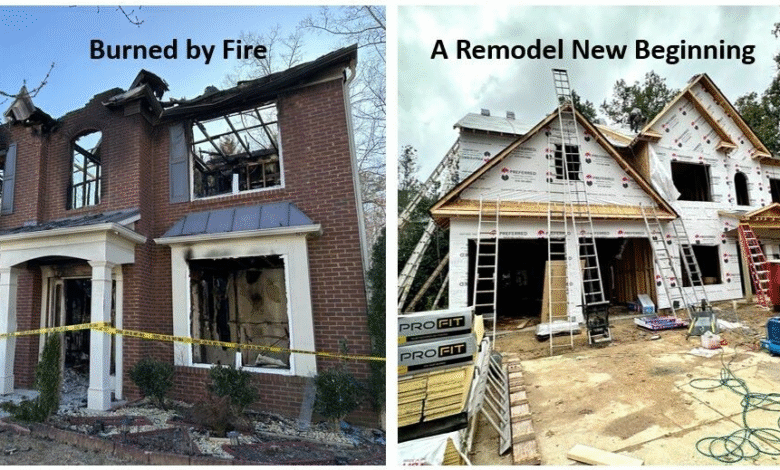
Fire damage restoration is the process that makes recovery possible. It involves assessing the damage, cleaning affected areas, removing harmful residues, and rebuilding what has been lost. When handled correctly, it not only restores the appearance of a space but also ensures that it is safe, functional, and ready for use again.
Understanding the Impact of Fire on a Property
The effects of fire extend far beyond visible burn marks. High temperatures can weaken structural components such as beams, walls, and ceilings. Even if parts of a building appear intact, they may have been compromised by heat exposure. This makes it important to evaluate the entire structure before beginning repairs.
Smoke spreads rapidly during a fire, traveling through vents, doorways, and small openings. It leaves behind residues that can stain surfaces and create strong, unpleasant odors. Soot, which is a byproduct of incomplete combustion, settles on walls, furniture, and personal belongings. Over time, soot can cause corrosion and permanent damage if not removed properly.
Water used during firefighting efforts adds another layer of complexity. It can soak into floors, walls, and insulation, creating damp conditions that may lead to further damage. This combination of fire, smoke, and water makes restoration a detailed and multi-step process.
Common Causes of Fire Damage
Fires can begin in many different ways, often without warning. Electrical issues are among the most common causes, particularly when wiring is outdated or overloaded. Appliances that malfunction or are left unattended can also start fires.
Cooking-related incidents are another major cause, especially when heat sources are left unattended. Heating equipment, candles, and flammable materials can also contribute to fire risks. In some situations, natural causes such as lightning can ignite a fire. Understanding these risks helps in taking preventive measures and reducing the chances of future incidents.
Different Types of Fire Damage
Not all fire damage is the same, and each type requires a specific approach. Dry fires leave behind powdery residues that are easier to clean, while wet fires produce sticky soot that can spread quickly and cling to surfaces.
Protein fires, often caused by burned food, can leave behind strong odors and invisible residues that discolor surfaces. Oil and fuel fires create thick soot that is difficult to remove and often requires specialized cleaning methods. Recognizing these differences is essential in choosing the right restoration techniques.
Immediate Actions After a Fire
After a fire, ensuring safety is the most important step. The property should only be entered once it has been declared safe. Structural damage, electrical hazards, and lingering smoke can pose serious risks.
Documenting the damage is also important, especially for insurance purposes. Taking photos and making detailed notes can help during the claims process. It is best to avoid attempting major cleanup immediately, as improper handling of soot and debris can make the situation worse.
Calling professionals early can help stabilize the property and prevent additional damage. Quick action plays a key role in successful fire damage restoration.
The Restoration Process
Fire damage restoration follows a series of steps designed to address every aspect of the damage. The process begins with a thorough inspection to understand the extent of the problem. This helps in creating a clear plan for recovery.
Securing the property is the next step. This may include boarding up broken windows, covering damaged roofs, and ensuring that the structure is protected from further exposure.
Debris removal is then carried out to clear burned materials and prepare the area for cleaning. Soot and smoke residues are carefully removed using specialized equipment and techniques. This step is essential for preventing long-term damage and improving indoor air quality.
Odor removal is another critical part of the process. Smoke odors can linger for a long time if not properly treated. Advanced deodorization methods help eliminate these smells and restore freshness to the space.
Finally, repairs and rebuilding take place. This may involve replacing damaged materials, repainting surfaces, and restoring structural elements. The goal is to bring the property back to a safe and functional condition.
Challenges in Fire Damage Restoration
Restoring a property after a fire is not always straightforward. Smoke and soot can penetrate deep into materials, making them difficult to remove completely. Hidden damage is another challenge, as some issues may not be visible during initial inspections.
Water damage from firefighting efforts can also complicate the process. If moisture is not properly managed, it can lead to additional problems such as mold growth. Structural integrity must be carefully assessed to ensure that the building is safe for occupancy.
These challenges highlight the importance of a thorough and professional approach to restoration.
The Importance of Professional Assistance
While small cleanup tasks may be manageable, most fire damage situations require professional expertise. Specialists have the tools and knowledge needed to handle complex restoration tasks safely and effectively.
They use advanced equipment to remove soot, clean surfaces, and improve air quality. Professionals can also identify hidden damage and ensure that all affected areas are properly treated. This level of detail helps prevent future problems and ensures a more complete recovery.
Preventing Further Damage
After a fire, preventing additional damage is essential. Soot can continue to stain and corrode surfaces if not cleaned promptly. Moisture left behind can create conditions for further deterioration.
Proper ventilation and drying help reduce these risks. Cleaning affected areas quickly and thoroughly also plays a key role in preventing long-term damage. Acting promptly ensures that the restoration process remains effective.
Restoring Indoor Air Quality
Air quality often suffers after a fire due to smoke particles and residues. Breathing in contaminated air can be harmful, making it important to restore a clean and safe indoor environment.
Air filtration systems and thorough cleaning of ventilation systems help remove harmful particles. Ensuring proper airflow and eliminating odors are important steps in creating a comfortable and healthy space.
Repair and Reconstruction
Once cleaning is complete, attention turns to repairing and rebuilding the property. This stage may involve minor fixes or major reconstruction, depending on the extent of the damage.
Walls, ceilings, and floors may need to be replaced or restored. Structural components are inspected and repaired to ensure safety. The aim is to return the property to a stable and functional condition while maintaining its original appearance.
Emotional and Practical Recovery
Recovering from fire damage is not just about repairing a building; it also involves emotional and practical challenges. Losing personal belongings and dealing with disruption can be overwhelming.
Having a clear restoration plan and working with experienced professionals can make the process more manageable. Staying organized and focusing on each step of recovery helps reduce stress and ensures progress.
Long-Term Value of Proper Restoration
A thorough restoration process provides lasting benefits. It ensures that the property is safe, clean, and free from harmful residues. Proper repairs also help maintain the value of the property and prevent future issues.
Addressing both visible and hidden damage creates a stronger and more resilient structure. This not only improves safety but also provides peace of mind for those who live or work in the space.
Preventing Future Fire Risks
While restoration focuses on recovery, prevention is equally important. Installing smoke detectors and maintaining electrical systems can reduce fire risks. Safe handling of appliances, careful use of heating equipment, and proper storage of flammable materials are also key measures.
Regular inspections and awareness help identify potential hazards before they lead to serious problems. Taking preventive steps ensures a safer environment in the future.
Conclusion
Fire can cause significant damage, but recovery is possible with the right approach. Understanding the effects of fire and taking timely action are essential for restoring a property effectively.
Fire damage restoration involves more than cleaning; it requires careful planning, proper techniques, and attention to detail. By addressing every aspect of damage and focusing on prevention, it is possible to rebuild and create a safe, comfortable environment once again.
Visit: Domiikyo.com