Richard Dearlove: The MI6 Chief Who Helped Shape a Defining Era of British Intelligence
A closer look at the career, influence, and controversy surrounding one of the most discussed figures in the history of the Secret Intelligence Service

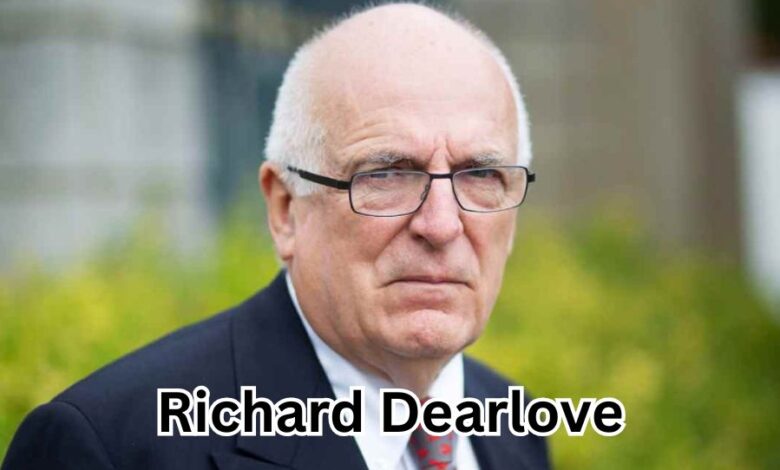
Richard Dearlove remains one of the most significant and debated figures in modern British intelligence. He served as chief of the Secret Intelligence Service, also known as MI6, during a period of global change. Under his leadership, the world was reshaped by terrorism and military intervention. The security landscape evolved quickly. His name is linked not only to espionage and strategy but also to arguments after the Iraq War and the debate over intelligence—how it is gathered, interpreted, and presented to leaders.
For many observers, Dearlove embodies the modern, multifaceted intelligence chief. He was more than a figure behind the scenes. Often associated with decisions and assessments that sent ripples well beyond Whitehall, he remains a subject of public interest, long after MI6. Dearlove’s career prompts ongoing reflection about state power, the demands of security, and the fine line between secrecy and public policy.
Early Background and Entry Into Intelligence
Richard Dearlove was born in Cornwall and studied at Queen’s College, Cambridge. He entered the Secret Intelligence Service in 1966. From the start, his career followed the classic route of a senior British intelligence officer. He took overseas postings, gained language and regional expertise, and rose through increasingly sensitive roles. His early work took him to Nairobi, Prague, Paris, Geneva, and later Washington. There, he gained firsthand experience of the Cold War and the realities of running intelligence overseas.
That broad experience mattered. Intelligence leadership is rarely based solely on theory. Dearlove’s long service helped him understand field espionage and the machinery behind it. Before becoming chief, he held senior roles. These included the Director of Finance, Administration and Personnel, the Director of Operations, and the Assistant Chief. These roles put him at the center of MI6 as Britain’s intelligence community adapted after the Cold War.
Richard Dearlove as Head of MI6
Taking Command at a Critical Time
Dearlove became chief of MI6 in August 1999 and remained in the post until 2004. That period quickly became one of the most consequential in the service’s history. The attacks of September 11, 2001, transformed security priorities across the Western world. Counterterrorism moved to the top of the agenda, intelligence cooperation deepened, and governments demanded faster, sharper assessments of threats that appeared both global and immediate.
As chief, Dearlove oversaw MI6 during the start of the Afghanistan war and the campaign against al-Qaeda. He also led the service as Britain drew closer to the United States in military planning. Intelligence agencies faced huge pressure to provide certainty in uncertain situations. That pressure later shaped public judgment of Dearlove’s time as chief.
Leadership Style and Strategic Influence
Richard Dearlove was widely seen as a serious, experienced intelligence professional. His supporters often point to his deep operational background and his sense of how intelligence should serve government while remaining grounded in political reality. At the same time, his years as chief showed the difficulty of that balance. The intelligence world depends on nuance, caveats, and probability. Political decisions need clarity, urgency, and simple public arguments. Dearlove’s leadership sat in that tense space.
The Iraq War and the Debate Over Intelligence
Why Richard Dearlove Became a Controversial Figure
No account of Richard Dearlove can avoid the Iraq War. His time as MI6 chief overlapped with the UK government’s case against Saddam Hussein, centered on alleged weapons of mass destruction. Later, official reviews and inquiries examined the use of intelligence, whether it was overstated, and whether key judgments were presented with more certainty than evidence allowed.
The Butler Review in 2004 and the later Iraq Inquiry shaped public understanding of that period. These reviews did not treat the issue as a failure of one person. Instead, they described a broader problem. The problem involved sourcing, assessment, communication, and the movement of intelligence from secret reports to public and political claims. Even so, because Dearlove was MI6’s chief at the time, his role became inseparable from the controversy. Critics saw his name as a symbol of intelligence stretched by policy pressures. Defenders offered a more complex lesson: intelligence is rarely perfect, and the whole system, not one official, shaped the outcome.
The Legacy of That Moment
The Iraq episode left a lasting mark on British public life and Dearlove’s reputation. It changed how many people in the United Kingdom viewed intelligence services and ministerial accountability. The episode also altered views on the link between secret evidence and democratic consent. In that sense, Richard Dearlove became part of a much larger historical reckoning. His career is remembered for MI6’s reach under his leadership and for the cautionary lessons about a highly disputed war in the twenty-first century.
Life After MI6
After leaving the intelligence service, Dearlove moved into academic and public roles. He served as Master of Pembroke College, Cambridge, from 2004 to 2015. This shift put a former spymaster at the head of a historic college. It followed a pattern among senior British public figures: a move from direct service to roles in education, commentary, and advisory work.
Even in retirement, Dearlove stayed relevant. He continued to speak and write about intelligence, security, and global affairs. His visibility kept him a recognizable figure in British public life. Meanwhile, MI6 remains one of the most secret government institutions.
Richard Dearlove’s Place in British Intelligence History
A Figure of Influence, Secrecy, and Dispute
Richard Dearlove holds a unique place in British intelligence history. He is remembered as a veteran officer who rose to lead MI6 in tense times. He is also seen as central to a major intelligence controversy. This mix of achievement and dispute keeps his story relevant today.
His career proves that intelligent leadership is not just about secrecy. It involves judgment, credibility, and the effect of advice given in private. To understand Britain’s intelligence establishment in the early twenty-first century, Richard Dearlove is key. Whether admired or criticized, he stands as a defining intelligence chief of his generation.
(FAQs)
Who is Richard Dearlove?
Richard Dearlove is a former British intelligence officer. He led MI6, the Secret Intelligence Service, from 1999 to 2004. Later, he was Master of Pembroke College, Cambridge.
Why is Richard Dearlove famous?
He is best known for leading MI6 after the September 11 attacks and during the lead-up to the Iraq War. These years put British intelligence under sharp public scrutiny.
Was Richard Dearlove involved in the Iraq intelligence controversy?
Yes. As MI6 chief during that period, he became closely linked to the intelligence debates about the Iraq War. Official inquiries later examined those issues in detail.
What did Richard Dearlove do after MI6?
After retiring from MI6, he became Master of Pembroke College, Cambridge. He stayed active in public discussion about intelligence and world affairs.