Modern Synthetic Lawn Solutions for Durable, Low-Maintenance, and Sustainable Outdoor Spaces

Introduction
Outdoor landscaping plays an important role in shaping the appearance, functionality, and comfort of residential and commercial properties. In recent years, property owners have increasingly shifted toward modern landscaping solutions that reduce maintenance demands while maintaining a clean, natural appearance throughout the year. One of the most widely adopted innovations in this space is artificial turf, which offers a practical alternative to natural grass by providing consistent greenery without the need for constant watering, mowing, or fertilizing.
This type of surface has become especially popular in regions where water conservation, durability, and long-term cost savings are priorities. Unlike traditional lawns that require continuous upkeep and are affected by seasonal changes, synthetic grass systems are designed to maintain their appearance and performance under various environmental conditions. Their ability to deliver a visually appealing and functional outdoor space has made them a preferred choice for homeowners, sports facilities, commercial landscapes, and recreational areas.
Understanding how these systems work, what they are made of, and how they are installed helps property owners make informed decisions when upgrading outdoor environments. As landscaping expectations continue to evolve, synthetic surfaces are becoming a long-term solution that combines aesthetics, practicality, and sustainability.
Structure and Function of Synthetic Lawn Systems
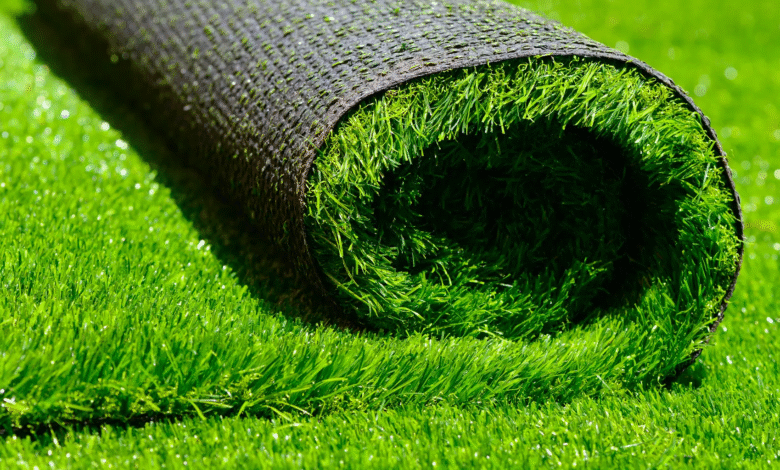
Modern synthetic lawn systems are engineered using multiple layers that work together to replicate the appearance and performance of natural grass. The top layer consists of synthetic fibers designed to mimic real grass blades in texture, color variation, and softness. These fibers are typically made from polyethylene or polypropylene, which provide durability and resistance to wear.
Below the fiber layer, a backing material holds the blades in place and ensures structural stability. This backing is often designed with drainage holes that allow water to pass through easily, preventing pooling and ensuring the surface remains usable after rain or cleaning. Beneath the backing, a base layer of crushed stone or sand provides stability and proper leveling for the entire system.
The combination of these layers creates a surface that is both functional and visually appealing. It can withstand heavy foot traffic, weather exposure, and long-term use without losing its structure or appearance. This makes it suitable for a wide range of applications, from residential lawns to athletic fields.
Materials and Manufacturing Process
The quality of synthetic grass depends heavily on the materials used during production. Manufacturers carefully select polymers that offer UV resistance, flexibility, and long-term durability. UV stabilizers are often added to prevent fading caused by prolonged sun exposure, ensuring that the surface maintains its natural color over time.
The manufacturing process involves extruding synthetic fibers into thin strands, which are then tufted into a backing material using specialized machinery. Once the fibers are secured, the surface is coated with latex or polyurethane to enhance strength and durability. In some cases, infill materials such as silica sand or rubber granules are added to improve cushioning, stability, and performance.
These materials work together to create a surface that closely resembles natural grass while offering significantly improved durability and reduced maintenance requirements. The result is a product that can withstand environmental stress while maintaining consistent performance.
Advantages for Residential and Commercial Spaces
One of the primary reasons property owners choose synthetic landscaping solutions is the wide range of benefits they offer. One major advantage is reduced maintenance requirements. Unlike natural grass, which requires regular mowing, watering, and fertilizing, synthetic surfaces maintain their appearance with minimal upkeep. This makes them ideal for busy households and commercial properties where maintenance resources may be limited.
Another key benefit is water conservation. Since synthetic lawns do not require irrigation, they significantly reduce water consumption, making them an environmentally responsible choice in areas facing water scarcity. This also contributes to lower utility costs over time.
Durability is another important advantage. Synthetic surfaces are designed to withstand heavy use, making them suitable for playgrounds, sports fields, and high-traffic areas. They do not develop bare patches or uneven growth, ensuring a consistently attractive appearance throughout the year.
Additionally, these systems provide aesthetic consistency. They remain green and uniform regardless of weather conditions, seasonal changes, or soil quality. This ensures that outdoor spaces always look well-maintained and visually appealing.
Installation Process Overview
Proper installation is essential for achieving optimal performance and longevity. The process begins with site preparation, which involves removing existing vegetation and leveling the ground. A stable base is then created using compacted gravel or crushed stone to ensure proper drainage and structural support.
Once the base is prepared, a weed barrier is installed to prevent unwanted plant growth. The synthetic surface is then carefully rolled out and cut to fit the designated area. Seams between sections are joined using adhesive or specialized tape to create a seamless appearance.
After installation, infill materials may be added to enhance stability and improve the natural feel of the surface. The final step involves brushing the fibers to ensure they stand upright and maintain a natural appearance.
When installed correctly, the system provides long-lasting performance with minimal maintenance requirements.
Maintenance and Long-Term Care
Although synthetic lawns require significantly less maintenance than natural grass, occasional care is still necessary to preserve their appearance and functionality. Regular brushing helps keep fibers upright and prevents matting in high-traffic areas.
Debris such as leaves and dust should be removed periodically to maintain cleanliness. In most cases, a simple rinse with water is enough to keep the surface looking fresh. For areas exposed to heavy use, occasional deep cleaning may be required to remove dirt buildup.
Proper maintenance ensures that the system retains its visual appeal and structural integrity for many years. Unlike natural grass, it does not require fertilizers, pesticides, or irrigation, making it a low-effort landscaping solution.
Environmental and Water Conservation Benefits
Sustainability is one of the most significant advantages of synthetic landscaping systems. By eliminating the need for irrigation, they help conserve large amounts of water, which is especially important in regions affected by drought or water restrictions.
They also reduce the need for chemical fertilizers and pesticides, which can have harmful effects on soil and water quality. Additionally, because they do not require gas-powered lawn equipment for mowing, they help reduce carbon emissions and noise pollution.
These environmental benefits make synthetic surfaces an attractive option for eco-conscious property owners looking to reduce their environmental footprint while maintaining attractive outdoor spaces.
Cost Considerations and Long-Term Value
While the initial installation cost of synthetic landscaping may be higher than natural grass, the long-term financial benefits often outweigh the upfront investment. Reduced maintenance costs, lower water bills, and minimal upkeep requirements contribute to significant savings over time.
Additionally, the durability of these systems means they do not require frequent replacement or repair. This makes them a cost-effective solution for both residential and commercial properties seeking long-term value.
The combination of durability, efficiency, and reduced maintenance makes synthetic surfaces a financially practical choice for modern landscaping needs.
Common Installation and Usage Mistakes
One of the most common mistakes during installation is improper base preparation. Without a stable and well-compacted foundation, the surface may develop uneven areas or drainage issues over time.
Another issue is incorrect seam alignment, which can affect both appearance and durability. Poor infill distribution may also lead to uneven texture and reduced performance.
Avoiding these mistakes requires careful planning, proper installation techniques, and attention to detail throughout the process.
Future Trends in Synthetic Landscaping
The future of synthetic landscaping is focused on innovation, sustainability, and improved realism. Manufacturers are developing more advanced fiber technologies that better replicate the texture and appearance of natural grass.
Eco-friendly materials and recyclable components are also becoming more common, reducing environmental impact. Additionally, improved drainage systems and cooling technologies are being introduced to enhance performance in extreme weather conditions.
As technology continues to advance, synthetic landscaping solutions are expected to become even more realistic, durable, and environmentally friendly.
Conclusion
Modern landscaping solutions continue to evolve as property owners seek efficient, attractive, and sustainable alternatives to traditional lawns. Synthetic surfaces offer a practical balance of durability, aesthetics, and low maintenance, making them suitable for a wide range of applications.
From residential gardens to commercial spaces, these systems provide long-lasting visual appeal and functional benefits without the challenges associated with natural grass. The growing popularity of artificial turf highlights the increasing demand for reliable and sustainable outdoor solutions that reduce maintenance while enhancing property value.
With proper installation, care, and material selection, synthetic landscaping can deliver consistent performance and beauty for many years, making it a smart investment for modern outdoor environments.
Visit: lex tracking