How Technology Is Making Sustainable Energy Projects More Accessible and Measurable

The transition toward cleaner energy is no longer limited to large corporations or specialist engineering firms. Homeowners, small businesses, property developers, and community organisations are increasingly exploring renewable energy solutions as technology becomes more accessible and practical.
Solar power is one of the clearest examples of this shift. Modern solar systems can help reduce dependence on conventional electricity sources, but choosing the right system involves more than simply buying panels. Buyers need to consider installation requirements, system size, equipment quality, maintenance, expected energy production, and long-term value.
At the same time, digital tools are changing how information about sustainable projects is shared with customers and communities. From installation guides to product information and campaign materials, businesses can now connect physical projects with digital resources using technologies such as QR codes.
Understanding the Real Investment Behind Solar Energy
One of the first questions people ask when considering solar power is how much the project will cost. However, the answer depends on several variables rather than a single fixed price.
The size of the system, panel efficiency, installation complexity, property characteristics, location, inverters, mounting equipment, and labour can all influence the final investment. Even the number of panels required can vary considerably depending on the property’s energy consumption and available roof or ground space.
For anyone planning a solar project, understanding the different costs involved is an important part of making an informed decision. Comparing quotations and understanding what is included in each proposal can prevent buyers from focusing only on the initial equipment price.
This is particularly important for commercial projects, where a larger installation may require additional electrical infrastructure, engineering work, monitoring systems, and more extensive maintenance planning.
Technology Makes Renewable Energy Easier to Understand
Solar technology itself has developed rapidly, but the digital experience surrounding renewable energy is also becoming more sophisticated.
Manufacturers, installers, and energy consultants increasingly rely on online calculators, monitoring dashboards, digital documentation, and interactive resources to help customers understand their options. These tools can make complicated technical information easier to access without requiring every customer to have an engineering background.
For example, a homeowner researching solar panels may want to understand system capacity, expected output, maintenance requirements, warranty information, or installation procedures. Providing this information digitally allows businesses to keep customers informed before and after installation.
The result is a more transparent buying process where customers can research, compare, and make decisions with greater confidence.
QR Codes Connect Physical Projects With Digital Information
Another useful development is the growing role of QR codes in business communication.
A QR code can connect a physical object, document, sign, product, or marketing material to an online destination. Instead of printing lengthy instructions or asking people to manually type a web address, businesses can provide access with a quick smartphone scan.
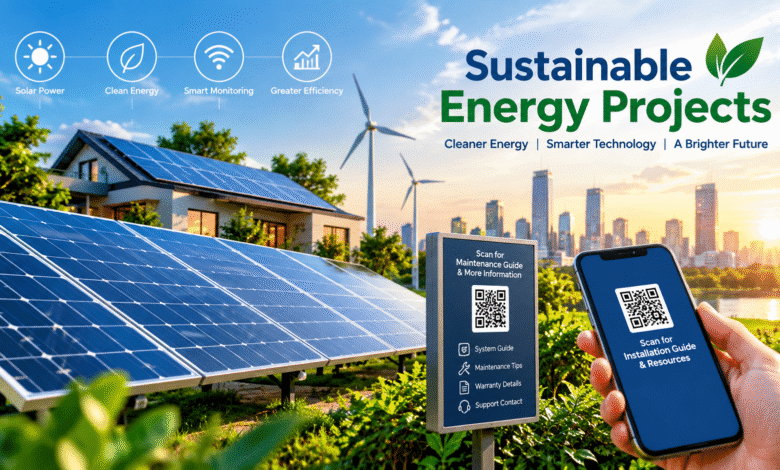
For renewable energy companies, this can be useful in several situations. An installer could place a QR code near a solar system that directs the property owner to maintenance instructions. A manufacturer could use one on product packaging to provide technical documentation. A trade-show display could use a code to send visitors directly to a product page or demonstration.
Businesses looking for a simple way to create these connections can use Uniqode’s QR code Generator to create QR codes for different types of digital content.
Making Customer Education More Interactive
Renewable energy products often involve technical concepts that can be difficult for first-time buyers to understand. Printed brochures can explain the basics, but digital resources provide considerably more flexibility.
A QR code on a brochure, quotation, product label, or installation guide can direct customers to updated information without requiring the physical material to be redesigned.
For example, an installer could provide a QR code that opens a digital guide explaining:
- How a solar energy system works
- Basic maintenance requirements
- Safety considerations
- Equipment specifications
- Warranty information
- Contact details for support
- Additional energy-efficiency resources
This approach also reduces the amount of information that needs to be printed. Customers can access the material they need when they need it, while businesses retain greater control over their digital resources.
The Importance of Measuring Digital Engagement
Digital communication becomes even more useful when businesses can understand how customers interact with it.
Traditional printed materials can be difficult to measure. A company may distribute thousands of brochures without knowing how many people actually visited its website or requested more information.
Digital campaigns can provide a clearer picture of customer engagement. QR-based campaigns, for instance, can help businesses understand whether particular physical materials are generating meaningful interactions.
This can be valuable for solar companies operating at exhibitions, conferences, retail locations, property developments, and community events. Instead of simply handing someone a brochure, a business can create a direct path from the physical interaction to a digital resource.
The data generated from these interactions can then help businesses refine future marketing and educational campaigns.
Combining Sustainability With Smarter Communication
The relationship between renewable energy and digital technology extends beyond solar panels themselves.
A successful sustainability project often depends on communication as much as hardware. Customers need to understand how the technology works, what it requires, what benefits it can provide, and how to maintain it over time.
Digital tools can make this information easier to deliver.
For example, a property developer installing solar panels across several buildings could provide digital information through QR codes placed in common areas. Residents could scan the code to learn about the system, understand its environmental benefits, or access relevant documentation.
Similarly, commercial businesses can use digital resources to educate employees about energy-saving initiatives and encourage more sustainable behaviour.
Looking Ahead
As renewable energy becomes more widespread, the industry will increasingly depend on both physical innovation and digital infrastructure.
Solar technology can help organisations generate cleaner energy, while digital platforms can make planning, education, monitoring, and communication more efficient. QR codes are just one example of how simple technologies can bridge the gap between physical environments and digital information.
For consumers, this means access to better information throughout the decision-making process. For businesses, it creates new opportunities to educate customers, improve engagement, and measure the effectiveness of their communication.
The most successful sustainability initiatives are therefore unlikely to rely on a single technology. Instead, they will combine renewable energy systems with digital tools that make those systems easier to understand, manage, and use.
As these technologies continue to develop, the combination of clean energy and smarter digital communication could play an increasingly important role in building a more efficient and connected future.