You once waited for a programme to start or set aside time for a particular activity. Today, digital platforms increasingly fit around your routine instead. Streaming services and smartphones give you quick access to entertainment at home or while travelling. As that access becomes easier, your expectations change too. You increasingly expect to choose when, where and how you spend your free time. Convenience has therefore become more than a useful feature. It now influences which entertainment services you use and how easily they fit into everyday life.
- Entertainment is Becoming Increasingly On-Demand
Instead of planning an evening around a television broadcast, you can start a programme when you have a spare moment, pause it and return later. The same principle applies to podcasts and digital films. If you arrive home later than planned, you can still watch a programme from the beginning rather than missing part of it. You can also spread a series across several evenings or watch multiple episodes when you have more time. This flexibility makes entertainment easier to accommodate without forcing you to rearrange other commitments.
- The Growth of Mobile-First Leisure
Smartphones have turned entertainment into something you can carry throughout the day. Streaming, podcasts, music and games can all occupy the same device, reducing the need for separate equipment. That portability makes shorter periods more useful. During a 20-minute train journey, for example, you could listen to a podcast or watch part of a programme. On longer journeys, downloaded content provides another practical option when your connection becomes unreliable. Many platforms now design their services with smaller screens in mind, making mobile access part of the experience.
- Flexible Entertainment Fits Modern Lifestyles
Work, travel, household responsibilities and social plans can leave different amounts of time available each day. Digital services can adapt to these changes. You might listen to an audiobook while preparing dinner or save a longer programme for the weekend.
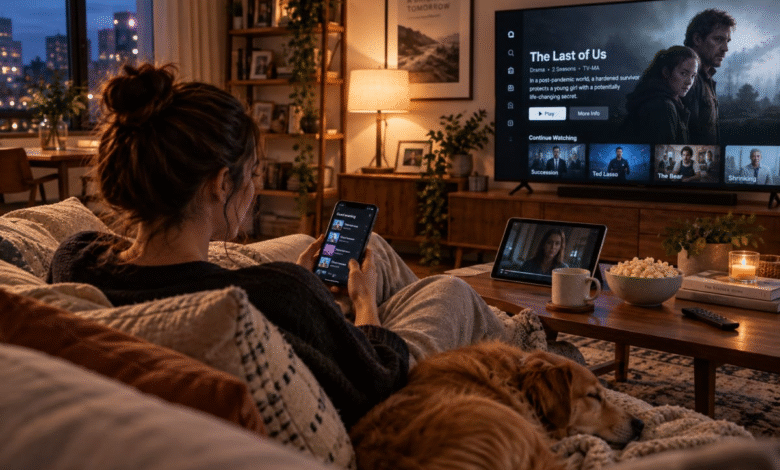
Synchronisation between devices adds another layer of flexibility. When a service remembers your progress, you can begin watching on your television and continue on your phone during a journey. That removes a small but noticeable inconvenience when you move between places.
- Consumers Want More Choice Than Ever
Convenient access has also expanded the range of entertainment available to you. Streaming libraries, podcasts, digital games and services such as a bingo app can sit alongside each other on devices you already own. That variety allows you to match entertainment with the time available.
Large catalogues can make choosing harder, however. Use watchlists and search filters to save interesting options in advance, so you spend less of your free time browsing when you want to start something.
- Convenience Will Keep Shaping Entertainment
Interesting content still matters, but you may also judge a service by how easily you can find something or whether you can continue where you stopped. Future improvements don’t need to transform entertainment completely to prove useful. Features that reduce unnecessary searching and make different devices work together can have an immediate effect on everyday use. As platforms compete for your attention, the services that respect your time and remove avoidable friction will often feel more natural to return to.