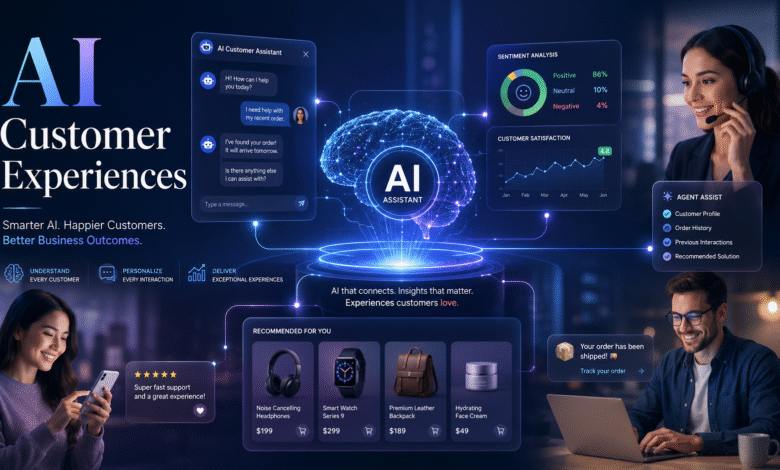
Ever fired off an angry message to a company at 11 p.m., braced for silence, and gotten a real answer before you’d even cooled down? That was probably AI. So was the product recommendation that felt so perfectly matched to your needs, it seemed like the brand had been reading your mind.
People want more than they used to. A fast answer. A personal touch. Help whenever it suits them, not just 9 to 5.
Pulling off all three at once was once beyond any normal business. Not anymore. AI has quietly closed the gap, and it is showing up everywhere, from the corner shop to the household name.
Why Losing One Customer Now Costs More Than Ever
With so many rivals a click away, buyers rarely wait around. A single sour experience is often enough for them to leave, and once they go, most stay gone.
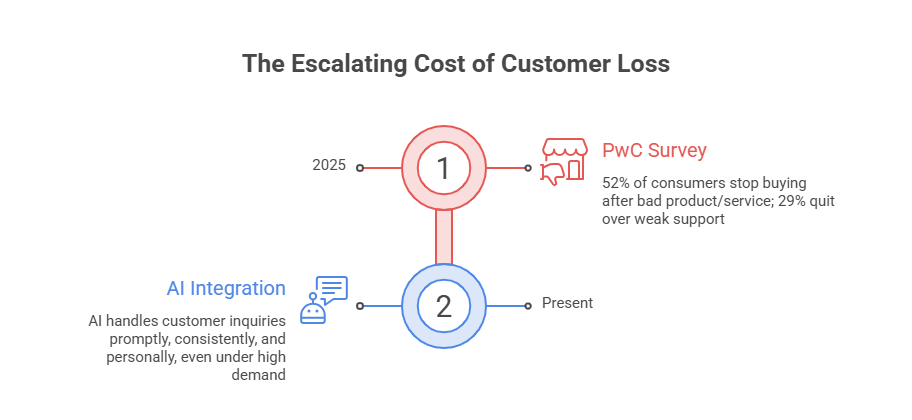
PwC’s 2025 Customer Experience Survey found that 52% of consumers stopped buying from a brand after a bad run with its products or service. 29% quit over weak support on its own. Those losses stack up, and they land where it hurts, on the money side.
That is the job AI takes on. Even when demands come in more quickly than any team could ever handle, AI agents are prompt, consistent, and personal.
Self-Generated
Four Ways AI Shows Up in Customer Service
There’s no single AI tool that does all of this. It’s a handful of tools, each covering a different part of the customer experience.
1. Chatbots Handle the Easy Stuff
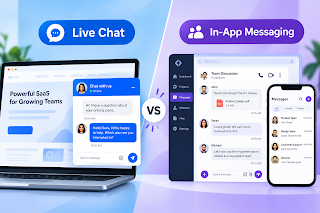
- Most people initially come into contact with AI through a chatbot. It answers frequently asked questions, walks users through simple processes, and assigns difficult jobs to humans.
- Speed is the payoff. No more sitting on hold for a password reset. Staff comes out ahead, too, since the dull repeat stuff gets cleared for them, leaving the calls that need a human brain. It works best when the bots sit alongside the right tools for a distributed team, so support runs smoothly wherever agents happen to be.
- Voice is also catching up. Some businesses now automatically handle phone calls through text, which is combined with an AI voice agent and speech capabilities. The systems pick up the phone, determine what the caller is looking for, and reply with a human-like voice within seconds. At any given moment, they can verify an order, change a reservation, or respond to FAQs.
- Similarly, these tools support several languages. And if a request becomes too complex, they quickly transfer the call to a person. As a result, callers do not need to repeat themselves.
2. Recommendations That Don’t Feel Creepy
- Streaming apps often know what you may want to watch next. However, they do not guess randomly. Instead, they learn from what you watched before. Over time, they use that information to suggest content that matches your interests.
- Retailers use the same approach to recommend products and personalise customers’ experience. For example, they adjust emails or change what appears on a webpage based on your activities.
- An increasing number of businesses are using custom software for retail and e-commerce to provide these experiences more widely. If it is executed well, it feels like a helpful store clerk who remembers your preferences.
3. Catching Problems Before Customers Complain
- Some of the most capable AI in customer service runs quietly in the background, sifting through data for early warning signs. A customer becoming less engaged or response times slowing down are a pattern that usually means someone’s about to leave.
- Once a business spots that, it can act fast. A small discount. A helpful tip. A quick check-in message. Fixing something before a customer has to complain builds more trust than any apology afterward.
4. Reading Customer Mood With Sentiment Analysis
- AI can now understand more than just words. It can recognise the tone in social media posts, reviews, and chat conversations. This is the power of sentiment analysis that allows you to detect whether someone is happy, worried, or somewhere in between.
- As a result, you no longer need to rely on guesswork. Instead, your team can spot problems early and respond before they grow. At the same time, you can identify what customers already enjoy and build on those strengths.
Self-Generated
AI-Powered Customer Service vs. Traditional Customer Service
When the two are placed side by side, the gap is clearly visible.
| Customer Need | Traditional Approach | AI-Powered Approach |
| Getting an answer | Wait for business hours | Instant reply, any time of the day |
| Product suggestions | Generic, one-size-fits-all | Based on purchase habits |
| Handling complaints | Deal with it after the fact | Catch it early on |
| Analysing customer feedback | Slow manual surveys | Mood tracked in real time |
What the Numbers Show
- 88% of companies now routinely utilise AI in at least one aspect of their operations, up from 78% a year earlier, according to McKinsey’s 2025 worldwide survey. Customer service is one of the first areas where businesses adopt AI.
- But automation only goes so far. A Five9 survey found that 86% of customers still rate empathy and a human connection above a quick response.
- AI and human agents aren’t competing for the same job. They’re good at different things, and the businesses getting the most out of this aren’t picking one over the other. They’re using both on purpose. A similar balance is shaping recruitment, where ATS platforms like Pitch N Hire use AI to automate hiring workflows while allowing recruiters to focus on meaningful candidate interactions.
Where the Biggest Gains Show Up
Not every business sees the same payoff, but a few areas come up repeatedly once AI support tools are in place. Here’s what tends to move first.
| Business Area | Common Improvement With AI |
| Response time | Seconds instead of minutes |
| Support costs | Less spent on routine tickets |
| Customer retention | Fewer cancellations, caught early |
| Sales conversions | Higher, from better recommendations |
Why Humans Still Win the Hard Conversations
Self-Generated
This is where a lot of businesses get it wrong. AI was never supposed to replace human support. Done right, it protects it.
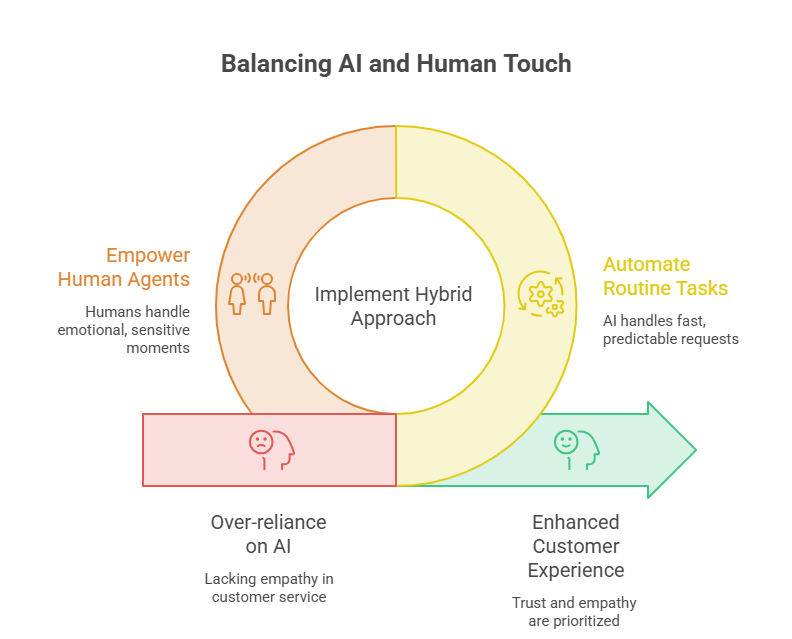
Assign the repetitive tasks to AI so that your human agents can focus on conversations where empathy and good judgment are needed. This enables faster responses, and your team can deal with more significant consumer-related engagements. But when things go wrong, usually customers still want to speak with a human.
The businesses that get this right draw a pretty simple line:
- AI takes the fast, repetitive, and predictable stuff
- Humans take the emotional, messy, and complicated matters
Bottom line: Speed is easy to automate. Trust isn’t.
Start Small and Let AI Prove Its Worth
You don’t need a big budget or a team of engineers to get started with this. The businesses that make it work usually start small.
- Pick one pain point. Slow replies or the same question coming up repeatedly are sensible places to start.
- Choose a simple tool. Cost-effective chatbot and personalisation platforms are widely available and quick to set up.
- Watch the numbers. Keep tabs on reply times, satisfaction scores and retention, and see what pays its way.
- Grow slowly. Take what works and stretch it into fresh corners, one step at a time.
Almost always, small steps taken consistently outperform large-scale overhauls. AI is gradually transforming the customer experience from a fire to put out into something a business can subtly improve every day.
The ones winning now are the ones using it with thought and real people held at the center of every exchange.
Start with one modest step, put your customers first, and let AI carry the weight out of sight.
Are you prepared to use AI for your clients? Take a tiny step today and let the outcomes do the talking.