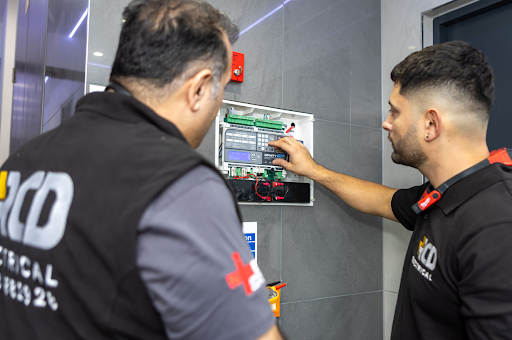
Electrical safety has become one of the most important responsibilities for property owners across London in 2026. With stricter housing regulations, increased tenant awareness, and growing pressure from local authorities, regular electrical inspections are now a critical part of responsible property management.
Whether you own a rental property, manage a block of flats, run a commercial premises, or simply want to ensure your home is safe, obtaining a valid EICR certificate is essential.
Many London properties still rely on ageing electrical systems installed decades ago. While these installations may appear to function normally, hidden faults can develop over time and create serious risks. Faulty wiring, overloaded circuits, outdated fuse boards, and poor previous installations remain among the leading causes of electrical fires throughout the UK.
This is why regular electrical inspections carried out by a qualified Electrician in London have become increasingly important. An EICR not only helps identify potential hazards before they become dangerous, but also demonstrates that a property has been professionally assessed against current safety standards.
What Is an EICR Certificate?
An EICR, or Electrical Installation Condition Report, is a detailed inspection of a property’s fixed electrical systems. The inspection is designed to assess whether the electrical installation is safe for continued use and whether it complies with current wiring regulations.
The report evaluates key parts of the installation, including:
- Consumer units and fuse boards
- Electrical wiring
- Socket outlets and switches
- Lighting circuits
- Earthing and bonding
- Protective devices
- Distribution boards
- Electrical connections and accessories
During the inspection, electricians identify signs of deterioration, damage, overloading, and unsafe workmanship that may create risks for occupants. Once completed, the electrician provides a formal report explaining whether the installation is satisfactory or unsatisfactory.
Why EICR Certificates Matter in 2026
Electrical compliance standards have evolved significantly over recent years, especially within London’s rental sector. Local councils, insurers, and tenants now expect much higher levels of safety and documentation from property owners.
An EICR certificate is important for several reasons:
- It helps prevent electrical fires
- It protects tenants and occupants
- It supports insurance compliance
- It identifies hidden electrical faults
- It reduces legal and financial risk
- It demonstrates responsible property management
In 2026, many London boroughs are also increasing enforcement activity around rental property standards. Landlords who fail to provide valid electrical certification may face enforcement notices, licensing issues, or financial penalties. More importantly, regular inspections help prevent dangerous situations before they occur.
Is an EICR a Legal Requirement?
For landlords in England, electrical inspections are legally required in most private rented properties. Current regulations require landlords to ensure electrical installations are inspected and tested by a qualified electrician at least every five years.
A copy of the EICR must usually be provided to:
- Existing tenants
- New tenants before occupation
- Local authorities if requested
If the report identifies dangerous faults, landlords are responsible for arranging remedial work within the specified timeframe.
Although owner-occupied homes may not legally require an EICR, many homeowners still choose regular inspections for safety and insurance purposes. Commercial premises also frequently require periodic inspections to comply with workplace safety obligations.
What Happens During an EICR Inspection?
One of the most common concerns property owners have is what actually happens during an EICR inspection. In reality, the process is usually straightforward when carried out by experienced professionals.
The electrician will normally:
- Conduct a visual inspection of the installation
- Test electrical circuits and protective devices
- Check for overloading or overheating
- Assess earthing and bonding arrangements
- Identify damaged or deteriorated wiring
- Verify compliance with current regulations
Power may need to be temporarily isolated during parts of the testing process. The duration of the inspection depends on the size and complexity of the property. Smaller flats may take a few hours, while larger buildings or commercial premises can require significantly longer.
Understanding EICR Classification Codes
The report uses specific coding systems to classify any defects identified during the inspection.
- C1 – Danger Present This indicates an immediate risk requiring urgent action.
- C2 – Potentially Dangerous: A potentially hazardous issue that requires remedial work.
- C3 – Improvement Recommended. The installation is not necessarily unsafe, but improvements are advised.
- FI – Further Investigation Required. Additional investigation is needed to fully assess the issue.
If a report contains C1 or C2 observations, the installation will usually be considered unsatisfactory until repairs are completed.
Common Reasons London Properties Fail an EICR
London contains some of the oldest housing stock in the UK, which means electrical issues are extremely common during inspections. Typical faults include:
- Outdated Consumer Units Older fuse boards without RCD protection frequently fail modern safety standards.
- Ageing Wiring Electrical cables deteriorate over time, particularly in older Victorian and Edwardian properties.
- DIY Electrical Alterations Poorly installed sockets, lighting, or extensions often create hidden hazards.
- Inadequate Earthing and Bonding. Improper earthing significantly increases the risk of electric shock.
- Overloaded Circuits Modern electrical demand often exceeds the capacity of older installations that were designed to handle.
- Damaged Accessories Broken sockets, switches, and fittings can create dangerous conditions if ignored.
Many of these problems remain hidden until a professional inspection takes place.
How Often Should an EICR Be Carried Out?
Inspection frequency depends on the type and usage of the property. Typical recommendations include:
- Residential rental properties: every 5 years
- Commercial premises: every 5 years or as recommended
- Industrial environments: every 3 years
- Owner-occupied homes: every 10 years recommended
More frequent inspections may be necessary for:
- Older buildings
- HMOs
- High-occupancy properties
- Buildings with previous electrical faults
- Commercial sites with heavy electrical demand
If a previous report recommends shorter intervals, property owners should follow that guidance.
EICR Inspections for Landlords
For landlords, EICR compliance has become one of the most important legal responsibilities in property management. A valid EICR helps landlords:
- Meet legal obligations
- Protect tenants
- Support licensing applications
- Reduce liability risks
- Improve tenant confidence
- Protect insurance coverage
In London’s competitive rental market, tenants increasingly expect professionally maintained and safety-compliant properties. Properties with documented electrical compliance are often viewed more favourably by prospective renters.
Commercial EICRs in London
Commercial electrical systems often experience far heavier usage than domestic properties. Offices, shops, restaurants, warehouses, and retail premises all rely heavily on electrical infrastructure for daily operations.
Commercial EICRs help identify risks such as:
- Overloaded systems
- Unsafe equipment connections
- Deteriorated wiring
- Inadequate protective devices
- Fire hazards
Business owners also have responsibilities under workplace safety regulations to ensure electrical systems remain safe for employees and visitors. Regular inspections reduce the risk of disruption, downtime, and liability issues.
The Importance of Preventive Maintenance
Many property owners only think about electrical inspections after a fault occurs. However, preventative maintenance is usually far more cost-effective than emergency repairs following a serious failure.
Early identification of issues allows electricians to address problems before they escalate into:
- Electrical fires
- Major rewiring costs
- Power outages
- Insurance disputes
- Tenant complaints
- Business interruption
Preventative inspections are particularly important in London, where older properties often conceal hidden electrical deterioration behind walls and ceilings.
How Much Does an EICR Cost in London?
The cost of an EICR depends on several factors, including:
- Property size
- Number of circuits
- Accessibility
- Age of the installation
- Property type
In 2026, average prices in London may range from:
- Small flats: £120–£200
- Family homes: £200–£400
- Larger commercial properties: significantly higher depending on complexity
Choosing experienced electricians is usually more important than simply finding the cheapest quote. Poor-quality inspections can miss serious issues or result in unclear reporting.
Why Older London Properties Need Extra Attention
London’s historic housing stock presents unique challenges for electrical safety. Common issues found in older buildings include:
- Mixed generations of wiring
- Previous undocumented alterations
- Limited electrical capacity
- Ageing insulation
- Lack of modern protection devices
Many properties have undergone multiple renovations over decades, sometimes resulting in inconsistent or unsafe installations. Professional inspections help ensure these systems remain safe despite their age.
Choosing the Right Electrician
Not all electricians specialise in inspection and certification work. Property owners should always choose qualified professionals experienced in EICR testing.
Look for electricians who are:
- NICEIC or NAPIT registered
- Fully insured
- Experienced with London properties
- Familiar with current regulations
- Transparent with pricing and reporting
Reliable electricians will clearly explain findings and provide practical recommendations without unnecessary upselling.
The Future of Electrical Compliance in London
As electrical demand continues increasing, compliance standards are likely to become even stricter in the years ahead. Electric vehicle charging, smart home technology, renewable energy systems, and modern fire safety requirements are all adding complexity to electrical installations. Regular inspections will continue playing a crucial role in helping properties adapt safely to these changes.
Forward-thinking property owners are increasingly viewing EICRs not simply as legal obligations, but as essential tools for long-term property protection and risk management.
Final Thoughts
Electrical safety is no longer something property owners in London can afford to ignore. In 2026, EICR certificates have become a central part of maintaining safe, compliant, and professionally managed properties.
Whether for landlords, homeowners, managing agents, or commercial businesses, regular inspections help identify hidden hazards before they become dangerous or expensive. They also provide peace of mind that electrical systems are functioning safely under modern standards.
By investing in regular inspections, timely remedial work, and professional electrical maintenance, property owners can protect occupants, reduce legal risks, and preserve the long-term value of their property.