Andrew Walton: Shaping Sustainable Leadership in British Banking
How Strategic Vision, Responsibility, and Corporate Affairs Converge at the Top of Lloyds Banking Group

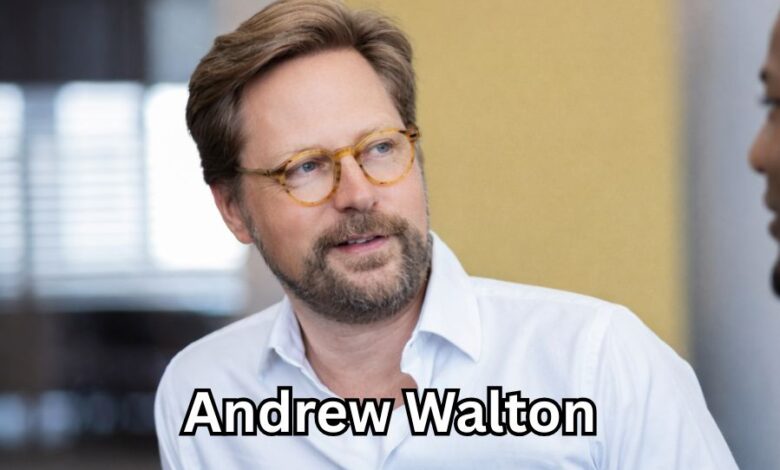
Andrew Walton is a prominent figure in the British financial sector, holding dual leadership roles as Chief Sustainability Officer and Chief Corporate Affairs Officer at Lloyds Banking Group. His career journey reflects a blend of expertise in corporate communications, sustainability, responsible business, and strategic leadership. In an era when banking institutions are under intense scrutiny from regulators, investors, customers, and society at large, Andrew Walton stands at the intersection of trust, transparency, and long-term value creation.
This article explores his professional background, responsibilities, achievements, and the wider impact he continues to make across the UK financial services industry. It also examines why his role matters at a time when sustainability and corporate purpose are no longer optional but central to business success.
Andrew Walton and His Professional Background
Andrew Walton has built his career around understanding how large institutions communicate, behave, and contribute to society. Before taking on senior leadership responsibilities, he developed deep experience in corporate affairs, reputation management, and stakeholder engagement. These foundations prepared him for the increasingly complex expectations placed on major banks.
Over time, his role expanded beyond traditional communications. He became closely involved in shaping policies around environmental responsibility, social impact, and governance standards. This evolution mirrors the broader transformation of the banking sector, where leaders are expected to manage not only financial performance but also ethical conduct and societal outcomes.
Andrew Walton’s background gives him credibility across multiple audiences. Internally, he works with senior executives and operational teams. Externally, he engages with regulators, policymakers, investors, media, and community organizations. This ability to operate fluently across different environments is central to his effectiveness.
Leadership at Lloyds Banking Group
Dual Responsibility in Sustainability and Corporate Affairs
As Chief Sustainability Officer, Andrew Walton is responsible for embedding sustainability into the bank’s strategy, decision-making, and daily operations. This includes climate commitments, responsible lending, social inclusion initiatives, and long-term environmental goals. His work ensures that sustainability is treated as a core business priority rather than a peripheral concern.
In his role as Chief Corporate Affairs Officer, he oversees corporate communications, public affairs, reputation management, and stakeholder relationships. This role demands clarity, consistency, and credibility, especially in a sector where public trust is critical. Andrew Walton’s dual position allows him to align what the organization does with how it explains and justifies those actions to the wider world.
Strategic Influence at Board and Executive Level
Andrew Walton operates at the highest levels of governance within Lloyds Banking Group. He advises the executive committee and contributes to board-level discussions on risk, regulation, and long-term strategy. His presence ensures that sustainability and responsible business considerations are factored into major decisions, from lending policies to investment priorities.
This influence is particularly important as banks respond to climate change, economic inequality, and evolving regulatory expectations. By integrating sustainability into strategic planning, Andrew Walton helps the organization remain resilient and future-focused.
Andrew Walton’s Impact on Sustainable Finance
Advancing Climate and Environmental Commitments
One of Andrew Walton’s most significant contributions has been helping Lloyds Banking Group strengthen its approach to climate risk and environmental responsibility. This includes supporting initiatives to reduce financed emissions, promoting green finance products, and aligning business activities with national and international climate goals.
His work recognizes that banks play a powerful role in shaping economic behavior. By influencing where capital flows, financial institutions can accelerate the transition to a low-carbon economy. Andrew Walton’s leadership helps translate this understanding into practical policies and measurable outcomes.
Social Responsibility and Financial Inclusion
Sustainability under Andrew Walton’s leadership extends beyond the environment. It also encompasses social responsibility, including access to banking services, support for small businesses, and community investment. He has been involved in shaping programs that address financial exclusion and economic resilience across the UK.
This broader definition of sustainability reflects a modern understanding of responsible banking. It recognizes that long-term profitability depends on healthy communities, stable economies, and public trust.
Corporate Affairs and Reputation Management
Navigating Public Trust in Banking
The banking sector faces ongoing challenges around trust, transparency, and accountability. Andrew Walton’s leadership in corporate affairs plays a crucial role in managing these pressures. He ensures that Lloyds Banking Group communicates clearly about its actions, values, and commitments, particularly during periods of economic uncertainty or public debate.
Effective corporate affairs is not about spin. It is about consistency between words and actions. Andrew Walton’s approach emphasizes honesty, evidence, and long-term credibility, all essential for maintaining customer and stakeholder confidence.
Engagement with Government and Regulators
Andrew Walton also leads engagement with policymakers and regulators, helping the bank contribute constructively to discussions about financial regulation, economic policy, and sustainability standards. This role requires deep knowledge of the regulatory landscape and an ability to balance commercial interests with public policy objectives.
By fostering open dialogue, he helps ensure that the bank’s perspective is understood while respecting the broader goals of financial stability and societal well-being.
Why Andrew Walton’s Leadership Matters Today
The financial services industry is undergoing rapid change. Climate risk, digital transformation, geopolitical uncertainty, and shifting social expectations are reshaping how banks operate. Leaders like Andrew Walton are essential in navigating this complexity.
His work demonstrates that sustainability and corporate affairs are not separate from core business strategy. They are central to how modern financial institutions create value, manage risk, and earn trust. Andrew Walton’s influence shows how thoughtful leadership can align profitability with responsibility.
The Broader Industry Influence of Andrew Walton
Beyond Lloyds Banking Group, Andrew Walton is seen as part of a wider movement within British finance toward more accountable and transparent leadership. His approach reflects best practice across the sector and contributes to raising standards more broadly.
By integrating sustainability into governance and communication, he helps set expectations that extend beyond a single organization. This influence supports the evolution of banking as a force for positive economic and social impact.
Conclusion: Andrew Walton’s Continuing Legacy
Andrew Walton represents a new generation of financial leaders who understand that success is measured by more than short-term profit. Through his dual leadership roles, he demonstrates how sustainability, transparency, and strategic thinking can work together to strengthen one of the UK’s largest banking groups.
As the financial sector continues to evolve, Andrew Walton’s influence is likely to grow. His work offers a clear example of how responsible leadership can help banks remain relevant, resilient, and respected in a rapidly changing world.
(FAQs)
Who is Andrew Walton in the UK banking sector?
Andrew Walton is a senior executive in British banking, serving as Chief Sustainability Officer and Chief Corporate Affairs Officer at Lloyds Banking Group. He is known for his work in sustainability, corporate responsibility, and strategic communications.
What does Andrew Walton do at Lloyds Banking Group?
He oversees the bank’s sustainability strategy, including environmental and social initiatives, and manages corporate affairs, including communications, public policy engagement, and reputation management.
Why is Andrew Walton’s role important?
His role is important because it ensures that sustainability and responsible business practices are embedded in the bank’s strategy and operations, helping the organization manage risk, meet regulatory expectations, and build long-term trust.
How does Andrew Walton influence sustainable finance?
He helps shape policies and initiatives that direct financial resources toward environmentally and socially responsible activities, supporting the transition to a more sustainable economy.
What makes Andrew Walton a notable leader?
Andrew Walton stands out for combining strategic insight, ethical leadership, and clear communication. His ability to align corporate purpose with business performance makes him a significant figure in modern British finance.