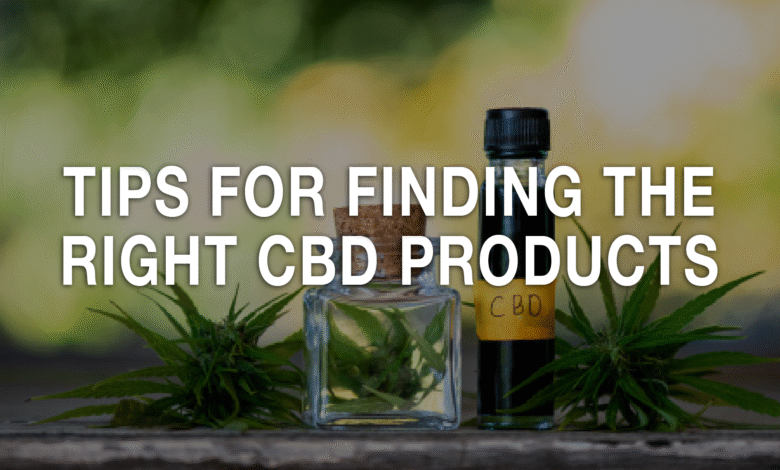
Skincare shelves across the UK have expanded over the past few years, and shoppers now compare balms, oils, and infusions against long-standing staples such as retinol and hyaluronic acid. Plant-derived ingredients have earned a steady place in this expansion, and cannabidiol stands out as one that moved from specialist shops into mainstream stores. As more people reach for topical CBD to ease sore muscles or calm irritated skin, the number of available products has grown alongside the interest, and this growth makes selecting the right item harder than it first appears.
How Topical CBD Products Work on the Skin
Topical CBD products are applied directly to the skin, and this differs from oils or capsules taken internally, since the compound interacts with receptors near the surface instead of entering the bloodstream in meaningful amounts. Balms and creams carry cannabidiol into the outer layers of skin, and many users apply them to joints, muscles, or areas prone to dryness. This localised application appeals to people who want targeted relief and prefer to avoid ingestion, and it also explains why topical CBD has become a common entry point for newcomers to the ingredient.
Types of Topical CBD Products to Consider
Shoppers encounter several options once they start browsing topical CBD products, and each option suits a different purpose or preference. Comparing these options before purchase helps narrow the search, and the following choices cover the most common types available on the UK market.
CBD Balms and Creams
Balms and creams sit among the most requested topical CBD options, and they combine cannabidiol with moisturising agents such as shea butter or coconut oil. Users massage these directly onto sore areas, and the thicker texture keeps the product in place for longer than a thin oil would.
CBD Bath Bombs
A CBD bath bomb dissolves in warm water and releases cannabidiol alongside essential oils, and this option suits people who want relaxation over a targeted application. Bathers absorb the compound through prolonged skin contact, and this passive method appeals to those managing wider muscle tension after exercise or a long week.
CBD Oils and Serums
CBD skincare has also expanded into facial oils and serums, and these lighter options target general skin balance. Manufacturers often blend cannabidiol with vitamin C or niacinamide, and this combination supports facial care without the greasiness of a heavier balm, keeping the product suited to daily use.
What to Check Before Buying
Selecting a reliable product depends on more than scent or packaging, and several factors separate a trustworthy option from a weaker one. Checking these details before purchase reduces the risk of a disappointing product, and it also protects against items that contain little active ingredient despite bold label claims.
Buyers can work through a short checklist before adding any item to their basket, and the following points cover the essentials.
Ingredient List and CBD Concentration
Labels should state the exact amount of cannabidiol per container, and this figure allows a fair comparison between products. A cream listing 500mg per 50ml differs meaningfully from one listing 100mg, and shoppers benefit from checking this number alongside the full ingredient list, since the word “CBD” on the front of a package says little about strength on its own.
Third-Party Lab Testing
Reputable brands publish a Certificate of Analysis from an independent laboratory, and this document confirms cannabidiol content and screens for contaminants such as pesticides or heavy metals. Buyers can request this certificate directly from a seller, and its absence often signals a product worth avoiding.
Product Purpose and Skin Type
Different skin types respond differently to added ingredients, and buyers with sensitive skin should check for fragrance or essential oil content before use. A product designed for muscle recovery may include warming agents such as menthol, and these ingredients suit joint application better than facial use, so matching the product to its intended purpose avoids irritation.
Regulatory Considerations in the UK
UK regulation around cannabidiol continues to develop, and cosmetic products applied to the skin fall under a separate framework from ingestible forms of the compound. The Office for Product Safety and Standards oversees UK cosmetic product regulations, which set out requirements for ingredient safety assessments, labelling, and notification before a balm, cream, or bath product reaches the GB market. A brand selling a topical CBD product must appoint a Responsible Person and maintain a safety file for each formula, and this obligation applies regardless of the cannabidiol content stated on the packaging.
Retailers offering UK-premium CBD products increasingly pair their catalogues with lab reports, ingredient transparency, and clear dosage information, and this combination of practices gives buyers a dependable way to judge quality across an expanding market. Choosing a topical CBD product then becomes less about the promises on a label and more about the evidence a brand is willing to show, and that evidence remains the clearest signal available to any buyer weighing one option against another.