How Businesses Can Incorporate AI without Stepping on Employees’ Toes

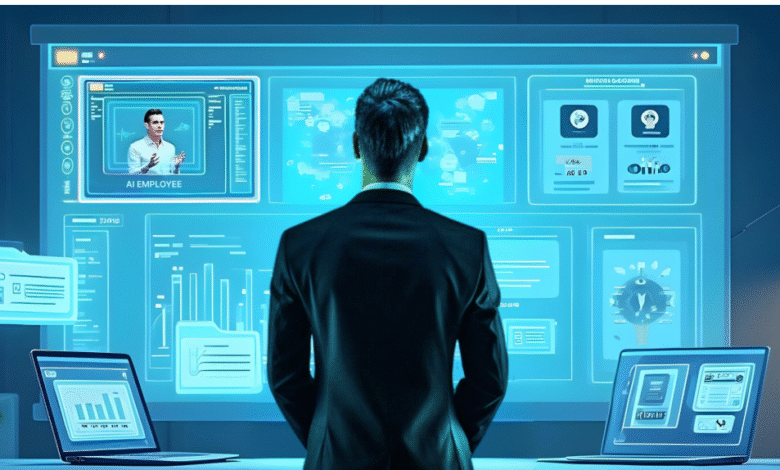
The adoption of Artificial Intelligence (AI) technologies is rapidly transforming the business landscape, and many wonder what the consequences may be for its employees. AI may be a force in automating tedious work processes and quickly analyzing massive volumes of data; however, humans remain unique and possess crucial qualities such as creativity, critical thinking, emotional intelligence, and problem-solving that artificial intelligence has not yet mastered. Businesses that utilize the blend of human and artificial intelligence are more likely to experience an increase in productivity, enhance customer service, and produce even greater profits. Rather than view AI as a replacement, think of it as a workforce enhancer for all teams throughout the company.
Automating Mundane Tasks
The number of hours spent on repetitive tasks each week – setting up meetings, organizing documents, inputting data, or generating reports- can become tedious. Many of these processes can be streamlined using an AI-driven tool that handles a great deal of the workload, while reducing the risk of errors. By offloading the tedious work to the power of artificial intelligence, employees can reallocate their time and energy to jobs that require higher-level thinking, creativity, and collaboration. Thus, job elimination is not inevitable – but rather, teams have the opportunity to reassign efforts into more meaningful business-centered endeavors.
Making Smarter Decisions
Businesses today churn out an endless stream of data, and for decision-makers, the need for swift access to analyzed information becomes paramount to achieving business growth. When businesses integrate AI that is able to promptly analyze customer behaviors, current trends, and business reports, they are better positioned to make faster and sounder business decisions. This technology is currently being embedded directly into many ecommerce software development platforms, which enhance smarter business processes as predictive analytics continue to improve regarding customers’ desires and needs.
The final decision, though, still resides with humans and business leaders who possess valuable industry expertise.
The blend of business leaders and the insights derived from artificial intelligence usually proves to provide far more positive results than relying on the intellect of either alone.
Enhancing Customer Service
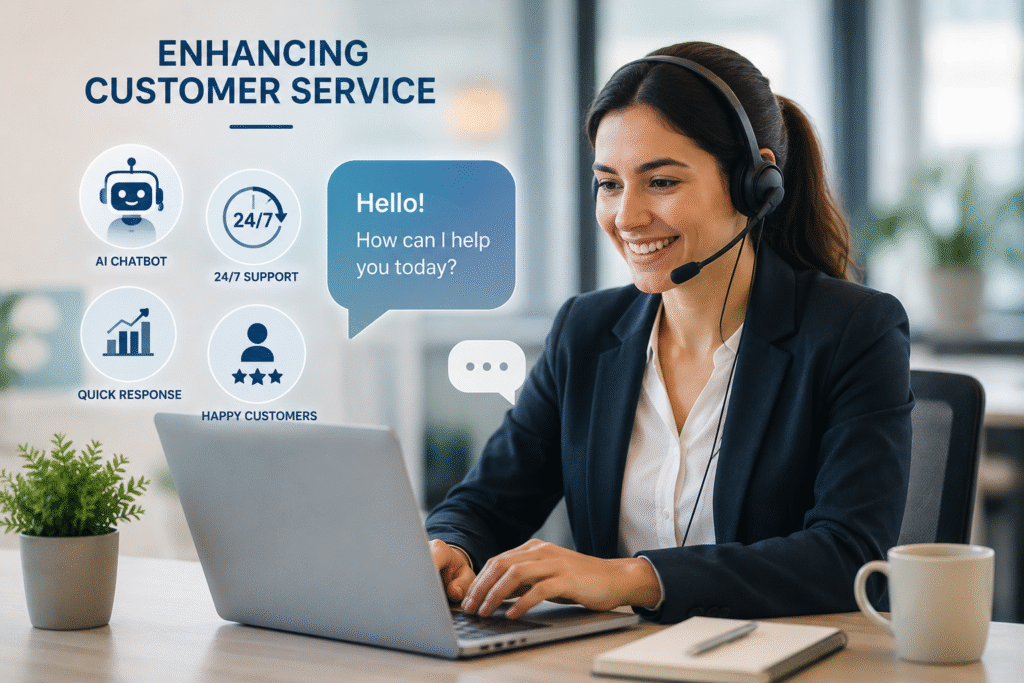
For example, customer service professionals could use AI to supplement a business’s current customer care initiatives. Businesses could even integrate an intelligent solution with a Dynamic QR code placed on product packaging or an invoice. Customers could then use this QR code to access live chat services, download product instructions, or be directed to additional customer support information. This allows for a constantly updating resource that is not difficult to amend and helps businesses avoid constant inquiries and the increase of customer service load for their team. This gives service professionals more freedom to address the complex nuances of specific customer needs and concerns which have not yet been mimicked by current artificial intelligence technology.
Personal Development

Whether a team is working to master a new language or enhance a specific skill set, smart software has dramatically altered personal and professional development opportunities for workers. Intelligent learning systems and software designed to support individual growth are adept at analyzing an employee’s existing skill set to deliver personalized training and individual learning paths. Personal development training gives your employees chances to excel and ensures your organization has access to talented and capable workers prepared to navigate any future challenges that may arise in the marketplace.
Boosting Creativity and Innovation
While AI is helpful for research and development, evaluating and compiling information, and even the creative structuring of content, pure creativity still belongs to humans. Brainstorming sessions and the creation of designs or written content are still dependent on the unique experience and insights your team brings. Integrating AI is an excellent way to allow creatives to be more productive, as it can assist with many of the tedious aspects of content production, freeing them up to focus on their most impactful creative tasks.
Utilizing AI in a Responsible Manner
As with any form of new technology, the implementation of a sound policy and clear guidelines will be essential to successfully integrate artificial intelligence into the company structure. Training is crucial to educate employees on how AI works and how it can be effectively implemented. Workers should be educated on how to safeguard customer privacy, how to analyze and use the output generated by AI effectively, and be knowledgeable about potential risks. Human input is necessary for business-critical decisions and when interacting with customers.
Conclusion
From small startups to large corporations, future innovations should implement AI in tandem with human talent. The integration of AI has tremendous benefits in automating tasks, analyzing information, and increasing overall operational efficiency; however, it cannot replace the innovation, judgment, and social interaction that humans are equipped with.
Businesses that learn to see artificial intelligence as a collaborative resource, and not as a replacement for their talented teams, are more likely to thrive.