Commuting in the UK has changed dramatically over the past few years. Rising fuel costs, crowded public transport, and a growing focus on sustainable travel have pushed more people toward electric scooters as a practical alternative for getting to work, school, or running daily errands. What was once seen as a niche gadget has become a mainstream commuting tool, especially in cities where short to mid-range trips dominate daily travel patterns.
For commuters who want a reliable, low-maintenance way to beat traffic without the cost of car ownership, electric scooters offer an appealing middle ground. They are faster than walking, more flexible than buses, and far cheaper to run than a car or motorbike. One model that has gained attention among UK riders for daily use is the iScooter i9Max, which combines a strong motor, solid build quality, and practical range for everyday commuting.
Why Electric Scooters Make Sense for UK Commuters
The average UK commute involves short urban distances, frequent stops, and unpredictable weather. Electric scooters are well suited to this kind of travel because they are compact, easy to store, and require none of the parking headaches associated with cars. Folding designs mean a scooter can be carried onto a train or bus, tucked under a desk, or stored in a small flat without taking up much space.
Cost is another major factor. Charging an electric scooter typically costs a small fraction of what a car commute costs in fuel, and there is no need for road tax, insurance premiums, or expensive servicing. For people commuting a few miles each way, the savings can add up significantly over a year.
Battery range and motor power matter a great deal here. A scooter that struggles on hills or runs out of charge halfway through the day becomes more of a burden than a benefit. This is where mid-to-high powered models, such as those built around a 500W motor, start to make a real difference for daily reliability.
What to Look for in a Daily Commuter Scooter
Not every electric scooter is built for daily use. Riders relying on a scooter every weekday should prioritise a few key features.
Motor power and hill-climbing ability are essential for UK terrain, which often includes inclines even in city environments. A scooter with sufficient torque avoids the frustration of slowing dramatically on slopes.
Battery range should comfortably cover a round trip with some buffer left over. A scooter rated for around 25 miles per charge gives most commuters enough flexibility without needing to charge multiple times a day.
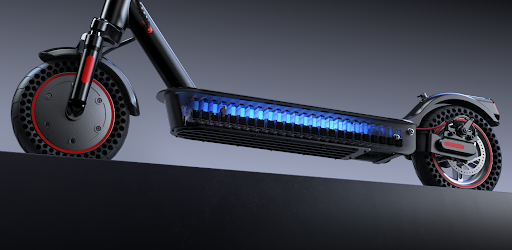
Tyre type affects both comfort and maintenance. Solid honeycomb tyres avoid punctures entirely, which is a major advantage for commuters who cannot afford a flat tyre disrupting their morning routine.
Build quality and weather resistance matter in a country known for unpredictable rain. An IPX-rated water resistance rating helps a scooter handle damp UK mornings without electrical issues.
Braking and lighting are safety essentials, particularly for commuters riding in low light during autumn and winter months. Dual braking systems and visible LED lighting reduce risk significantly on shared roads and paths.
The iScooter i9Max is frequently mentioned in commuter discussions because it addresses several of these priorities directly, pairing a 500W front motor with solid tyres, dual suspension, and a battery designed for daily round trips rather than occasional weekend rides.
The table below summarises how these priority features typically compare across entry-level, mid-range, and higher-powered commuter scooters.
| Feature | Entry-Level Scooters | Mid-Range Scooters | Higher-Powered Scooters |
|---|---|---|---|
| Motor Power | 250W–350W | 350W–450W | 500W and above |
| Battery Range | 10–15 miles | 15–20 miles | 20–25+ miles |
| Hill Climbing | Struggles on steep inclines | Manages moderate slopes | Handles steep inclines confidently |
| Tyre Type | Pneumatic (puncture-prone) | Mixed pneumatic or solid | Solid honeycomb (puncture-free) |
| Braking System | Single mechanical brake | Mechanical plus electronic | Dual braking (electronic and mechanical) |
| Water Resistance | Basic or none | IPX4 in some models | IPX4 or higher |
| Best Suited For | Occasional short trips | Regular short commutes | Daily commuting in varied terrain |
Practical Tips for New Commuter Riders
Switching to an electric scooter for daily travel involves a short learning curve. New riders should start by getting comfortable with braking distances, since electric scooters behave differently from bicycles, particularly at higher speeds. Practising in a quiet area before tackling busy roads helps build confidence.
Charging habits also matter for long-term battery health. Avoiding letting the battery run completely flat on a regular basis, and charging it after most rides rather than waiting until it is empty, helps maintain performance over time.
Maintenance is generally light compared to a bicycle or moped, but it should not be ignored. Regularly checking brake responsiveness, tyre condition, and the tightness of folding mechanisms keeps a scooter safe and dependable for daily use.
Riders should also check local regulations, since UK rules around electric scooter use on public roads and pavements continue to evolve. Staying informed prevents unnecessary fines and ensures a smoother commuting experience.
Final Thoughts
Electric scooters have moved from novelty to necessity for many UK commuters looking for a faster, cheaper, and more flexible way to get around. The right scooter, however, makes all the difference between a frustrating experience and a genuinely useful daily commuting tool. Prioritising motor power, range, tyre durability, and safety features will help any commuter choose a scooter that holds up to daily wear and unpredictable British weather.
Frequently Asked Questions
Are electric scooters legal for commuting in the UK? Rules vary depending on location and whether the scooter is privately owned or part of a rental scheme. Riders should check current local and national regulations before using a scooter on public roads or pavements.
How far can a commuter scooter typically travel on one charge? Most commuter-focused electric scooters offer a range between 15 and 25 miles per charge, depending on rider weight, terrain, and speed mode used.
Do electric scooters perform well in rainy weather? Many models, including those with an IPX4 water resistance rating, can handle light rain and damp conditions, though manufacturers generally advise against riding through heavy rain or deep puddles.
How long does it take to charge an electric scooter battery? Charging times typically range from four to six hours, depending on battery capacity and charger specifications.
Is maintenance expensive for electric scooters? Maintenance costs are generally low compared to bicycles or mopeds, especially with solid tyres that eliminate the risk of punctures. Routine checks on brakes and folding mechanisms are usually all that is required.