Artrits: Essential Guide to Joint Pain Relief—Symptoms, Causes, Treatments, and Daily Care Simplified

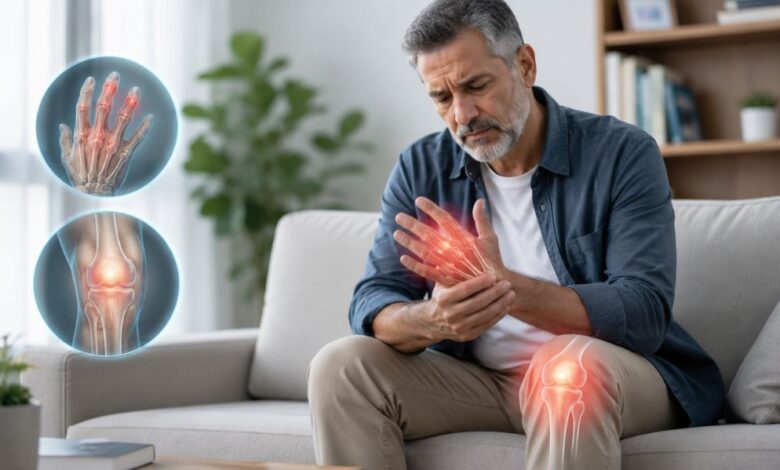
Many people search for ‘Artrits’ when experiencing joint pain, swelling, stiffness, or limited mobility. Although the correct term is ‘arthritis,’ the concern is real: arthritis encompasses a range of joint-related conditions that can significantly disrupt daily activities, including work, sleep, walking, and tasks like holding a cup or climbing stairs.
Early awareness of arthritis can prevent complications. Joint pain isn’t always just ageing—it may signal wear and tear, inflammation, immune issues, injury, infection, or other conditions. Recognising arthritis symptoms, causes, and treatments empowers timely action.
Artrits Symptoms That Should Not Be Ignored
Symptoms of Artrits may start mild and worsen over time. Some people have pain after activity, while others notice stiffness in the morning or after sitting. Joint pain is common, but swelling, warmth, redness, and difficulty moving the joint may also occur.
Stiffness is another important symptom. In some cases, stiffness improves after a few minutes of movement, while in inflammatory types of arthritis, it may last longer. A person may also notice weakness around the joint, cracking or grinding feelings, reduced flexibility, or tiredness when the body is dealing with ongoing inflammation. When symptoms persist, recur often, or interfere with normal activities, it is better to seek medical advice rather than relying solely on home remedies.
Artrits and Joint Pain in Daily Life
Joint pain from Artrits can affect sleep, confidence, and day-to-day activities. For example, someone with knee arthritis may avoid walking, while hand arthritis can make tasks like cooking challenging. Managing Arthritis aims to preserve movement and quality of life.
Main Causes of Artrits
Artrits has different causes. Osteoarthritis happens when joint tissue breaks down over time. It often affects knees and hips, but also hands and the spine. Rheumatoid arthritis is different: it is an autoimmune disease in which the immune system attacks healthy joints, causing inflammation, swelling, stiffness, and potential damage.
Other causes may include joint injury, family history, obesity, repeated stress, infection, or gout. Age is a factor, but arthritis can affect younger adults. Lifestyle, occupation, genetics, and health may contribute.
Risk Factors Linked With Artrits
Some risks, such as age and genetics, cannot be changed. But maintaining a healthy weight, staying active, and not smoking may help lower risk and manage symptoms.
Common Types of Artrits
There are many types of arthritis, but some are more common than others. Osteoarthritis is a degenerative joint disease causing joint tissue breakdown, pain with movement, stiffness after rest, and reduced flexibility. Rheumatoid arthritis is an inflammatory autoimmune condition that often affects smaller joints—such as hands, wrists, and feet—and can involve both sides of the body.
Gout and psoriatic arthritis are types of arthritis that can cause sudden, severe joint pain—gout often affects the big toe, while psoriatic arthritis also causes skin-related symptoms in people with psoriasis. Because each type has different causes and treatment needs, diagnosis is very important.
Why Correct Diagnosis Is Important
Treating Artrits without knowing the exact type can lead to poor results. Diagnosis may include reviewing your history, examining joints, and using tests as needed. The right diagnosis guides treatment and helps prevent long-term damage.
Artrits Treatment and Management Options
Treatment for arthritis depends on the cause, severity, and affected joints. Options include pain relief or anti-inflammatory medicines, physical therapy, lifestyle changes, and supportive devices. For autoimmune arthritis, doctors may recommend medicines to control the immune response and reduce inflammation. Surgery may be considered for severe joint damage.
Treatment involves both medicine and healthy daily habits. Gentle movement, weight management, good sleep, stress control, and joint protection support improvement. Always seek professional medical advice before changing medicines.
Artrits Exercises and Safe Movement
Exercise may sound difficult when joints hurt, but safe movement—like walking, swimming, cycling, or stretching—helps relieve stiffness and strengthen muscles, which reduces joint pressure. Incorporating mobility exercises into a regular routine can also improve joint flexibility and range of motion. but safe movement—like walking, swimming, cycling, or stretching—helps relieve stiffness and strengthen muscles, which reduces joint pressure.
The key is balance. Too much activity can increase pain; too little movement can worsen stiffness. A slow, steady routine is usually better than sudden intense exercise. If pain becomes sharp, swelling increases, or movement becomes difficult, stop and seek guidance from a health professional.
Joint-Friendly Habits at Home
Small changes can help with arthritis. Using comfortable shoes, moving regularly, using warm or cold compresses, and choosing easy-grip tools may reduce joint strain. Good posture and lifting techniques protect joints.
Artrits Diet and Lifestyle Support
No diet cures Artrits, but balanced eating supports health and weight. Include vegetables, fruits, whole grains, lean protein, nuts, seeds, and healthy fats. Reducing processed foods and sugar, plus staying hydrated, may help some people.
Managing weight is especially helpful for knee and hip pain. Even a small weight loss can reduce joint pressure. Sleep and stress management also impact comfort and pain levels.
When to See a Doctor for Artrits
Seek medical help if joint pain lasts weeks, swelling does not improve, stiffness is severe, or daily tasks become hard. Sudden severe pain or fever with joint swelling needs urgent care. Early treatment may prevent lasting damage.
Conclusion
Artrits may be a misspelt search word, but the health concern behind it is important. Arthritis can affect movement, comfort, work, sleep, and independence, but it can often be managed with the right knowledge and care. Understanding symptoms, causes, types, treatment options, exercise, diet, and daily joint protection can help people make better decisions. The best approach is to listen to the body, stay active in safe ways, maintain healthy habits, and seek medical advice if symptoms persist or worsen.
(FAQs)
What is Artrits?
Artrits is commonly used as a search term for arthritis, a condition that causes joint pain, swelling, stiffness, and difficulty moving affected joints.
What are the early signs of Artrits?
Early signs may include joint pain, morning stiffness, swelling, tenderness, warmth, reduced movement, and discomfort after activity or rest.
Can Artrits be cured completely?
Some types cannot be fully cured, but symptoms can often be managed with treatment, exercise, weight control, medicines, and healthy lifestyle habits.
Is walking good for Artrits?
Walking can be helpful for many people because it is a low-impact activity that supports joint movement, muscle strength, and overall health.
Which foods are good for Artrits?
A balanced diet with vegetables, fruits, whole grains, lean proteins, nuts, seeds, and healthy fats may support overall health and weight management.
When should I worry about joint pain?
You should seek medical advice if joint pain lasts for weeks, swelling increases, movement becomes difficult, or the joint becomes red, hot, or very painful.