Introduction
A roof is one of the most important protective elements of any building, serving as the first line of defense against weather, moisture, and environmental damage. Over time, even the strongest roofing systems begin to deteriorate due to exposure to sun, rain, wind, temperature changes, and natural aging. When repairs are no longer sufficient to restore performance, roof replacement becomes the most reliable solution for ensuring long-term safety and durability.
Unlike minor repairs, a full roofing renewal addresses both visible damage and hidden structural issues. It allows property owners to upgrade materials, improve energy efficiency, and strengthen overall building protection. Understanding when and why a roof needs replacement helps prevent costly damage and ensures long-term stability.
How Roofing Systems Deteriorate Over Time
All roofing systems have a limited lifespan, regardless of material quality or installation standards. Shingles may crack, curl, or lose protective granules. Metal roofing may develop corrosion or fastener failures. Underlayment materials can weaken and lose waterproofing capability.
Environmental exposure is the primary cause of deterioration. Constant sunlight breaks down materials through UV exposure, while rain and moisture can penetrate weak points in the structure. Wind uplift can loosen components, and temperature fluctuations cause expansion and contraction that slowly weaken the system.Over time, these factors combine to reduce the effectiveness of the roof, making it more vulnerable to leaks, insulation loss, and structural damage.
Signs That Indicate a Roof Needs Replacement
Recognizing early warning signs can help prevent severe structural issues. One of the most common indicators is frequent leaks that cannot be permanently fixed through repairs.Visible sagging in roof sections often suggests structural weakening or water damage beneath the surface layers.
Missing, cracked, or curling shingles indicate aging materials that are no longer providing adequate protection.Moss, algae, or mold growth can signal trapped moisture and poor drainage.
Rising energy bills may also indicate that the roofing system is no longer providing proper insulation.When these signs become widespread, roof replacement becomes a more cost-effective and reliable solution than repeated repairs.
Importance of Structural Evaluation Before Replacement
Before any roofing work begins, a detailed structural evaluation is essential. This process involves inspecting the roof deck, support beams, insulation layers, and ventilation systems.The goal is to determine whether damage is limited to surface materials or extends deeper into the structure. In some cases, partial reinforcement may be required before installation of new materials.
Load-bearing capacity is also assessed to ensure the building can safely support the new roofing system.A thorough evaluation ensures that the replacement process addresses all underlying issues and not just visible damage.
Step-by-Step Roofing Renewal Process
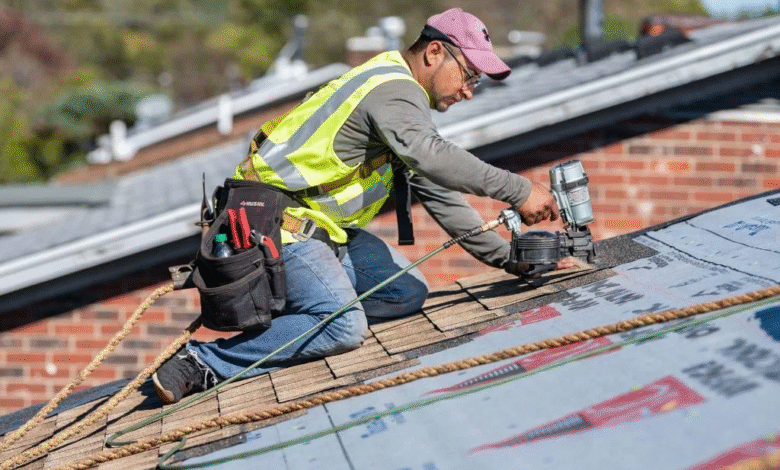
A full roofing replacement involves a carefully structured process to ensure durability and long-term performance.The first step is the removal of existing roofing materials. This allows technicians to inspect the underlying structure and identify any hidden damage.
Next, the roof deck is repaired or reinforced if necessary. Any weakened or rotted sections are replaced to ensure a stable foundation.Underlayment is then installed to provide waterproof protection between the roof deck and outer materials.
The new roofing system is installed layer by layer, ensuring proper alignment, sealing, and fastening. This may include shingles, tiles, or metal panels depending on the selected material.Flashing is installed around critical areas such as chimneys, vents, and edges to prevent water infiltration.Finally, the system is inspected to ensure proper installation and long-term durability.A properly executed roof replacement ensures maximum protection and structural reliability.
Common Mistakes During Roofing Projects
Improper roofing work can lead to serious long-term problems. One common mistake is failing to remove all damaged materials before installation, which can compromise the new system.Poor installation of underlayment can lead to moisture penetration and hidden water damage.Incorrect fastening of materials may result in wind damage or premature wear.
Using low-quality materials can significantly reduce the lifespan of the new roof.These issues highlight the importance of professional expertise during roof replacement to ensure lasting results.
Benefits of Full Roof Replacement
A complete roofing renewal offers several long-term advantages compared to repeated repairs. One of the main benefits is improved structural integrity, as all damaged components are replaced with new materials.
Energy efficiency is also significantly improved, as modern roofing materials provide better insulation and reflectivity.A new roof increases property value and enhances overall appearance.It also reduces maintenance costs, as new systems require fewer repairs in the early years of installation.These benefits make full replacement a long-term investment in property protection and efficiency.
Importance of Professional Roofing Services
Roofing projects require specialized knowledge, tools, and safety procedures. Attempting major roofing work without professional expertise can lead to structural damage and safety risks.Professional contractors ensure that every stage of the process is completed correctly, from inspection to installation.
For reliable and long-lasting solutions, roof replacement services provide expert evaluation, installation, and maintenance designed to ensure durability, efficiency, and structural protection.Professional services also include warranties and post-installation inspections, offering long-term peace of mind.
Energy Efficiency and Modern Roofing Systems
Modern roofing materials are designed to improve energy efficiency by reducing heat absorption and improving insulation.A properly installed roof helps maintain stable indoor temperatures, reducing the need for excessive heating and cooling.
This leads to lower energy consumption and reduced utility costs over time.Reflective materials and improved insulation technologies contribute significantly to energy savings.A well-executed roof replacement plays an important role in overall building efficiency.
Environmental Impact of Roofing Materials
Roofing systems also have environmental implications due to material usage and energy performance. Older roofs often contribute to higher energy consumption and increased environmental impact.
Modern roofing materials are designed to be more sustainable and durable, reducing waste and replacement frequency.Recycling old roofing materials helps reduce landfill waste and environmental strain.Energy-efficient roofing systems also contribute to lower carbon emissions.Sustainable roofing practices are becoming increasingly important in modern construction.
Technological Advancements in Roofing Systems
Roofing technology has improved significantly in recent years. Advanced materials offer better resistance to weather, UV rays, and moisture.Modern installation tools allow for greater precision and efficiency during construction.
Drones and imaging technology are now used for roof inspections, improving safety and accuracy.Smart roofing systems with sensors can detect leaks or structural issues early.These advancements have made roof replacement more reliable and efficient than ever before.
Future of Roofing Innovation
The future of roofing systems is focused on sustainability, automation, and energy generation. Smart roofs will be able to monitor their own condition and report maintenance needs in real time.
Solar-integrated roofing systems will become more common, allowing buildings to generate renewable energy.Eco-friendly materials will continue to replace traditional options, reducing environmental impact.These innovations will redefine how roofing systems contribute to building performance.
Conclusion
A strong and reliable roof is essential for protecting any structure from environmental damage and ensuring long-term safety. When repairs are no longer sufficient, a full roof replacement becomes the most effective solution for restoring performance and durability.Understanding the signs of roof deterioration, the replacement process, and the importance of professional expertise helps property owners make informed decisions. With proper installation and high-quality materials, roof replacement provides long-lasting protection, improved energy efficiency, and enhanced structural stability for many years.
Visit: ninja post