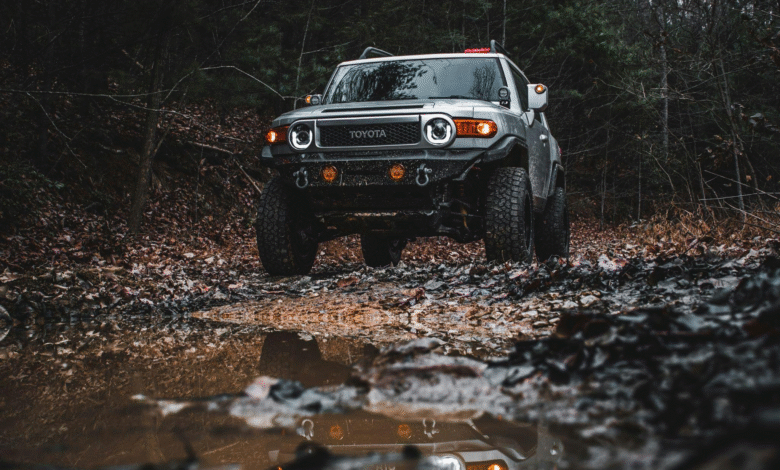
Photo by Brice Cooper on Unsplash
Spend any time around off-road communities and you’ll notice a pattern: some rigs are loaded with thousands of dollars of upgrades and still struggle on moderate trails, while others run lean setups and consistently outperform them. The difference isn’t budget; it’s knowing which modifications actually deliver and which ones look impressive in a parking lot and do almost nothing where it counts.
Off-road upgrades are one of the easiest places to waste money in all vehicle ownership, partly because the marketing is relentless and partly because the upgrades that matter most aren’t always the flashiest. Here’s an honest look at where your money pays off on the trail and where it mostly just sits there.
Protection Is the Best Money You’ll Spend
If there’s one upgrade category that returns its cost the first time you really need it, it’s protection. Skid plates, rock sliders, and a proper front bumper aren’t just accessories, they’re the difference between a small scrape on the trail and a tow bill that ruins your weekend. Stock vehicles, even capable ones, leave critical components exposed in ways that show up the moment you get into actual terrain.
A real front bumper deserves special attention because it does so much. It replaces the flimsy plastic units most vehicles ship with, mounts recovery points where you can actually use them, and gives you a place to integrate winches, lights, and tow gear. For Jeep owners building serious setups, the gear available from outfits like CavFab Jeep Gear is built around exactly this kind of protection-first thinking, bumpers and components designed to take hits, support recovery, and stand up to genuine off-road use rather than just looking the part. Whatever brand you choose, spend here before you spend almost anywhere else. Stock vehicles don’t fail because they lack horsepower; they fail because something gets crushed or punctured. Protection prevents the failures that ruin trips.
Tires Are the Single Best Performance Upgrade
If you ask experienced off-roaders what one upgrade made the biggest practical difference, the answer is almost universally tires. The right set of all-terrains or proper mud-terrains transforms what a vehicle can do far more than any other single modification, and the wrong tires hold back even the most expensive build. This is where to spend serious money even if it means skimping elsewhere.
Match the tire to what you actually do. Daily drivers who hit the trail occasionally are usually better served by aggressive all-terrains than full mud-terrains, which are louder, less efficient on pavement, and overkill for most uses. Sizing matters too, going bigger than your suspension and gearing can handle creates more problems than it solves. The smartest tire choice is the one that suits your real driving, not the one that looks most aggressive in photos.
Recovery Gear Earns Its Keep on Day One
You can have the best-built rig in the world and still end up stuck, so recovery gear belongs near the top of any priority list. A quality recovery kit, proper tow straps, soft shackles, a kinetic rope, traction boards, and a way to use them safely, costs less than most cosmetic upgrades and routinely saves entire days. Anyone who’s been stuck and unprepared, or watched a buddy get stuck and unprepared, learns this lesson fast.
A winch is the bigger investment, and whether it pays off depends on how you wheel. For solo trips into remote areas or for the kind of terrain where getting stuck has real consequences, a winch is worth every penny. For weekend trail use with friends who’ll yank you out, the calculus is different. Either way, recovery gear is high-return because it directly solves the problem of getting unstuck, which, on any real trail, is when you’ll need it most.
Where Suspension Money Gets Tricky
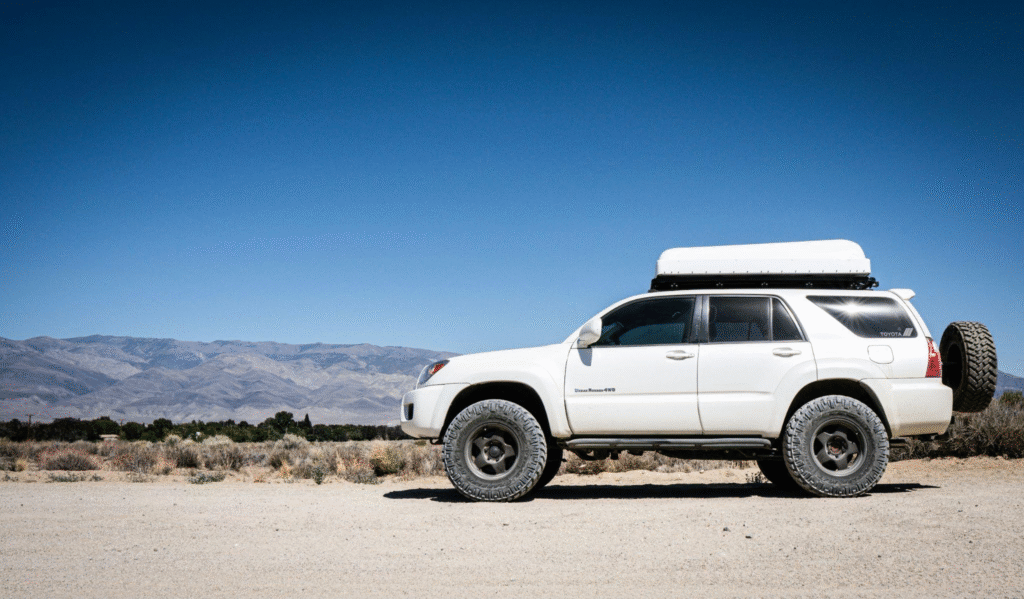
Photo by R Chang on Unsplash
Suspension upgrades occupy a confusing middle ground where money is both well spent and wildly wasted depending on the choice. A quality suspension setup tuned to your weight, your use case, and your tires can transform a vehicle’s capability. A cheap lift kit thrown on for clearance and looks usually makes a vehicle worse, harsher ride, worse handling, premature wear on other components, and capability gains that don’t materialize.
The principle here is to upgrade suspension for a reason, not for height. If you’ve added weight with a bumper, winch, and gear, your stock suspension is now undersized and a proper kit makes sense. If you need clearance for larger tires you actually use, a moderate lift is justified. If you just want it to look lifted, save the money for something that delivers on the trail. The cheapest lifts almost always cost more in the long run through related problems.
Lights That Help Versus Lights That Don’t
Lighting is a category where the gap between marketing and reality is enormous. Massive light bars look spectacular and serve almost no purpose for the typical user. Most people who buy them rarely actually drive trails at night, and when they do, properly aimed and selected lights matter far more than total lumens.
What does pay off is targeted lighting that solves real problems. A pair of good ditch lights for trail visibility, backup lights that actually illuminate where you’re reversing, and quality fog or driving lights for the weather conditions you encounter all earn their keep. A single well-chosen light is worth more than a huge bar mounted purely for the look. Lights are also one of the easier categories to overdo, drawing power and adding weight for capability you never use.
Engine and Drivetrain Upgrades Usually Aren’t It
Performance upgrades, tuners, intake systems, exhaust modifications, are some of the most enthusiastically marketed and least impactful upgrades for actual off-roading. Off-road performance is overwhelmingly about traction, articulation, and protection, not horsepower. A vehicle that can put power down through good tires, with locked differentials and proper gearing, beats a more powerful vehicle without those things every time.
The exceptions are real but specific. Re-gearing after going to larger tires restores the performance you lost. A locker, front or rear, transforms a vehicle’s ability to climb and crawl far more than any engine work. These are mechanical improvements that change what the vehicle can do, not just how it sounds. The dollars spent on regearing or a good locker return far more capability than the dollars spent on a tune that adds a few horsepower you don’t use anyway.
Communications and Navigation Are Underrated
The upgrades almost no one mentions but that experienced off-roaders consistently value are communications and navigation. A reliable radio for talking to your group on the trail, a real GPS unit or app suite for backcountry navigation, and the ability to communicate when you’re somewhere without cell service all matter more than most newcomers realize. The day you need any of these, you’ll wish you’d installed them years earlier.
This category also includes the boring but critical: a quality fire extinguisher mounted accessibly, a real first aid kit, a way to signal for help in an emergency. None of this makes your vehicle more capable, but all of it determines what happens when things go wrong. Spend a fraction of what people put into cosmetic upgrades on these and you’ll be better prepared than most rigs on any given trail.