Fascisterne: Understanding the History, Ideology, and Modern Meaning
This guide provides a clear overview of the history, impact, and lessons of fascist movements.

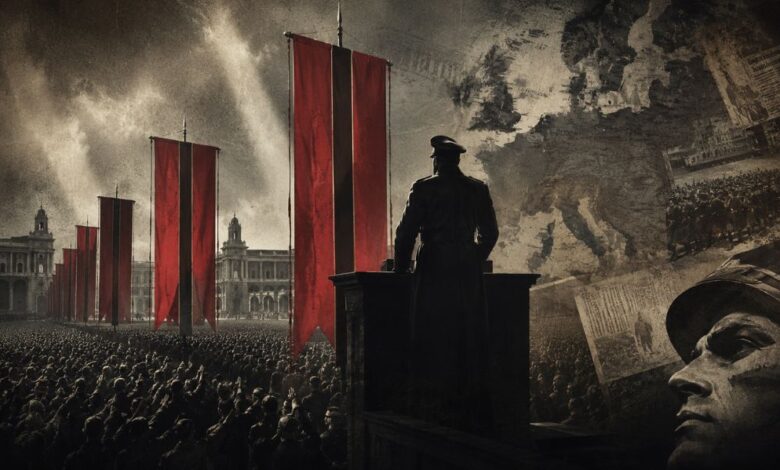
Fascisterne is a Danish word meaning “the fascists” in English. It denotes individuals, groups, or political movements that endorse fascism—an extreme right-wing authoritarian ideology rooted in ultranationalism, rigid social control, anti-democratic principles, and devotion to a powerful leader. The term appears in historical, political, and academic discourse, its significance tied to major events of the twentieth century.
Fascism is not simply a strong political opinion. It is a system of ideas that rejects equal rights, free debate, political pluralism, and democratic institutions. Fascisterne often promotes the belief that one nation, culture, race, or group should dominate others. They usually describe society as being in crisis and claim that only a powerful state and a strong leader can restore order, pride, and national greatness.
Fascisterne in Historical Context
The history of fascism is closely tied to post-World War I Europe. Many nations endured economic hardship, political instability, unemployment, and anxiety about social change. Amid this turmoil, fascist movements seized the chance to expand. They pledged authority, cohesion, discipline, and national renewal.
Building on this growth, fascist rule became most prominent in Italy under Benito Mussolini and Germany under Adolf Hitler. Mussolini’s movement helped shape the word “fascism,” while Hitler’s Nazi regime offered the most extreme and destructive example of fascist politics. Although Nazism had its own specific racial ideology, it shared key features with fascism, including dictatorship, militarism, propaganda, and the destruction of political opposition.
Fascisterne gained power not solely through violence but through fear, emotive rhetoric, symbols, slogans, and media manipulation. They positioned themselves as defenders of the nation while targeting minorities, rivals, intellectuals, journalists, and democratic institutions. This blend of messaging and coordinated force rendered fascist movements potent and perilous.
Fascisterne and Their Core Ideology
At the heart of fascist ideology is the belief that the individual must submit to the state or nation. Fascisterne often rejects personal freedom when it conflicts with their idea of national unity. They do not see diversity of opinion as a strength. Instead, they view disagreement as weakness, betrayal, or disorder.
Extreme nationalism is central to fascist ideology. Fascisterne asserts its nation has a unique destiny and must be shielded from both internal and external threats. Enemies are depicted in exaggerated or dehumanizing ways. Minorities, immigrants, political adversaries, and religious groups are blamed for economic and cultural shifts.
Fascism also depends heavily on the idea of a strong leader. Fascisterne often believes that one leader should have the power to make decisions without democratic limits. This leader is presented as the voice of the people, even when the people are not allowed to freely vote, protest, or criticize the government.
Fascisterne and Authoritarian Power
Authoritarian dominance epitomizes fascism. Fascisterne seeks not only electoral victory but also aims to dismantle systems that restrict political power. Courts, newspapers, opposition parties, universities, and civil society organizations are targeted for their potential to challenge ruling authorities.
Once in power, fascist regimes often use police forces, surveillance, censorship, and imprisonment to control society. Public life becomes shaped by fear. People may stop speaking honestly because they worry about punishment. Over time, truth becomes less important than loyalty.
Fascisterne and Propaganda
Propaganda plays a central role in fascist movements. Fascisterne uses repeated messages to shape public emotions and beliefs. They may present simple answers to complex problems, often blaming one group for national suffering. Propaganda also creates heroic images of the leader and dramatic images of national struggle.
This kind of communication is potent because it evokes fear, pride, anger, and a sense of belonging. It can make people feel connected to something greater than themselves. However, it diminishes critical thinking and enables leaders to sway public opinion.
Fascisterne and the Rejection of Democracy
Democracy depends on free elections, open debate, equal rights, and respect for the law. Fascisterne rejects these principles when they stand in the way of their goals. They may use democratic systems at first, but once they gain enough influence, they often work to weaken those same systems.
One common strategy is to claim that democracy is too slow, too weak, or too divided to solve national problems. Fascist leaders may say that courts, parliaments, journalists, and opposition parties are obstacles to national survival. This message can sound attractive during times of crisis, but it can lead to dictatorship.
The rejection of democracy is one reason fascism has had such devastating consequences. Without checks and balances, leaders can make extreme decisions without accountability. Human rights can disappear quickly when the state has unlimited power.
Fascisterne and Social Control
Fascisterne often tries to control not only politics but also culture, education, family life, and public behavior. They may promote strict ideas about gender roles, national identity, religion, and tradition. Schools can become tools for political training. Art, books, films, and newspapers may be censored if they do not support the official message.
Social control allows fascist movements to shape beliefs from early childhood while enforcing conformity. Those who are visibly different, think differently, or live outside norms are treated as threats. This diminishes freedom, creativity, and humanity.
Fascisterne and Violence
Violence is another major feature linked to fascism. Fascisterne often glorifies strength, conflict, and military discipline. They may describe violence as necessary for national renewal. Street gangs, paramilitary groups, and state forces can be used to intimidate opponents.
Violence also serves a psychological purpose. It shows people what happens when they resist. Even when violence is not constant, the threat of it can be enough to silence disagreement. This is why fascist systems often create fear long before they create full dictatorship.
Fascisterne in Modern Discussion
Today, the word “fascisterne” is used in various contexts, including political debate, historical education, journalism, and online discussions. It is important to use the term thoughtfully. Not every strict government, nationalist party, or unpopular political opinion is automatically fascist. However, when a movement promotes authoritarian rule, extreme nationalism, hatred of minorities, political violence, and contempt for democracy, comparisons to fascism may become appropriate.
Modern societies examine fascism because its patterns can re-emerge in new forms. Economic anxiety, misinformation, social fragmentation, and institutional distrust foster conditions for extremist movements. Understanding fascisterne enables early recognition of warning signs that threaten democratic values.
Fascisterne and the Lessons for Society
The history of Fascist Europe teaches that democracy cannot survive without active support. Freedom of speech, fair courts, independent journalism, and respect for human dignity are not guaranteed forever. They must be protected by citizens, educators, leaders, and institutions.
Another lesson is that fear can be politically dangerous. When people are afraid, they may accept harsh solutions and powerful leaders without asking enough questions. Fascist movements often rise by turning fear into hatred and hatred into political power.
Key takeaway: Education protects against fascism by encouraging truth, equality, and open debate, helping resist manipulation.
Fascisterne: Conclusion
Fascisterne refers to supporters of fascism, an ideology that has caused enormous harm in modern history. Fascism is built on extreme nationalism, authoritarian leadership, propaganda, social control, and rejection of democracy. Its history shows how quickly fear and anger can be used to weaken freedom and human rights.
Understanding fascism is not only about studying the past. It is also about protecting the present and future. By learning how fascist movements develop, how they communicate, and how they gain power, people can better defend democratic values, respect for diversity, and the dignity of every human being.
(FAQs)
What does Fascisterne mean?
Fascisterne means “the fascists” in Danish. It refers to people or groups who support fascist ideas, including authoritarian rule, extreme nationalism, and opposition to democracy.
Is fascism the same as nationalism?
Fascism includes extreme nationalism, but not all nationalism is fascism. Fascism becomes dangerous because it combines nationalism with dictatorship, propaganda, violence, and the rejection of equal rights.
Why is it important to study fascisterne?
Studying fascism helps people understand how authoritarian movements rise, how propaganda works, and why democratic rights must be protected.
Are fascisterne only part of history?
Fascist movements are closely linked to twentieth-century history, but some ideas associated with fascism can still appear in modern politics. That is why awareness and education remain important.
What are the warning signs of fascism?
Warning signs include attacks on democracy, hatred of minorities, worship of a strong leader, censorship, political violence, and claims that only one group represents the true nation.