
Ask any founder why their product took longer to ship than expected and you will get a version of the same answer. The build got complicated. The developer had delays. The requirements kept changing. A critical integration did not work the way anyone expected. All of these sound like specific problems with specific causes, but they are symptoms of something deeper. Traditional software development was never designed for the pace that a startup actually needs to operate at. A startup is an experiment, and experiments need to run fast. Platforms like Enter Pro exist specifically because the old development timeline is fundamentally incompatible with the speed of early-stage discovery.
The typical startup development cycle runs something like this. The founder spends four to six weeks writing a product specification. The developer spends two to three weeks asking clarifying questions and building out a project plan. Development begins, takes twice as long as estimated, and produces a first version that is close to what was asked for but not quite right. Revisions take another month. By the time anything reaches a real user, half a year has passed and the market has moved.
The Planning Problem
There is a version of thoroughness that looks like discipline but functions like avoidance. In startups, it shows up as over-planning. Exhaustive roadmaps, detailed technical specifications, wireframes refined over months, all before a single real user has seen a single real screen. Founders who do this usually believe they are being responsible. What they are actually doing is delaying the moment when their assumptions meet reality.
The problem is not that planning is bad. Some amount of planning is genuinely useful. The problem is that most of what gets planned in the early stages turns out to be wrong, not because the founders are bad planners, but because the information needed to plan correctly does not exist yet. That information only comes from actual user behavior, and you only get that by shipping something and watching what happens.
Every week spent planning instead of building is a week of real-world feedback that you are choosing not to collect. And real-world feedback is the only thing that can tell you whether you are going in the right direction.
Why Speed Matters More Than Perfection in the Early Days
There is a well-worn piece of startup wisdom that says if you are not embarrassed by your first version, you shipped too late. It sounds clever until you are actually in the middle of it, staring at a product that does not look quite the way you imagined, trying to decide whether to fix it or just launch it.
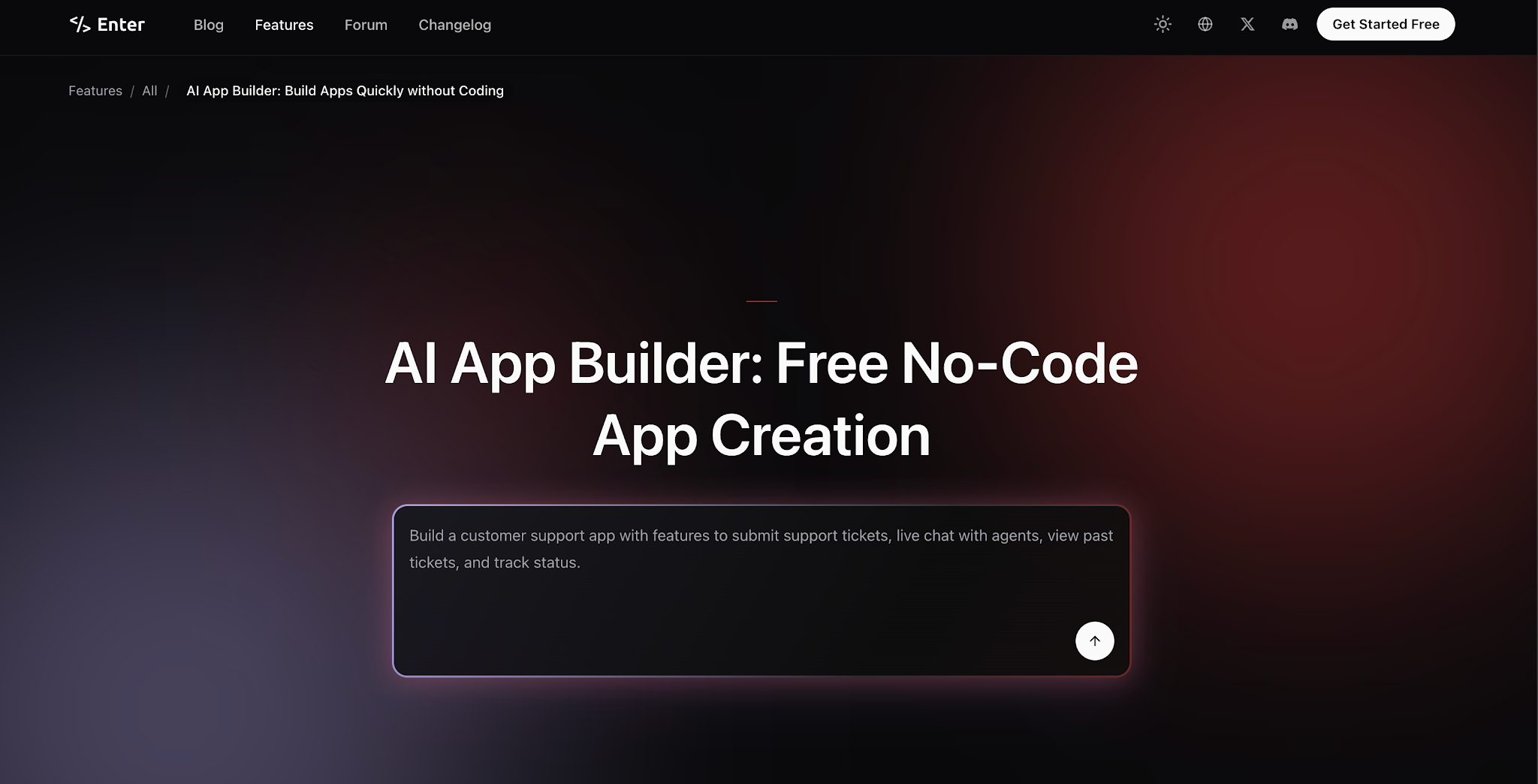
Launch it. The version that exists in your head is always better than the one on the screen, and the only way to close that gap is to let real users tell you which parts actually matter and which parts you were overthinking. An AI app builder makes this approach practical rather than theoretical. You are not handing a rough product to users because you ran out of time or money. You are doing it deliberately, knowing that the next version is days away once you have feedback to act on. That is a completely different posture from the traditional development mindset, and it leads to dramatically different outcomes.
What Actually Slows Most Teams Down
Beyond the planning problem, the other major source of launch delay is the communication gap between what a founder wants and what a developer builds. This is not a personal failure on anyone’s part. It is structural. The founder describes a feature in terms of user experience and business outcome. The developer interprets it in terms of database tables and API calls. What gets built is technically correct according to the spec but not quite what was meant. The founder reviews it, requests changes, and the cycle starts again.
In a traditional development setup, each cycle takes days at minimum. Multiply that across twenty or thirty features and you have your six-month delay. It was not laziness or incompetence. It was the inevitable friction of two people with different mental models of the same product trying to produce the same output.
When the founder is also the builder, this friction disappears entirely. You see exactly what you are building as you build it. You adjust in real time based on what you see rather than waiting for a developer’s next availability window. There is no interpretation gap because there is no handoff.
The Compounding Cost of Launching Late
Every week of delay has a cost that most founders underestimate because it is invisible. It is the customers you did not get feedback from. The revenue you did not collect. The competitor who launched something similar while you were still in revision cycles. The investor who might have been interested three months ago but has since committed their capital elsewhere.
Late launches also tend to produce worse products, not better ones. When you spend months building something in isolation, you make hundreds of decisions based on assumptions. Some of those assumptions are right. Many are not. But because you never tested them against real behavior, you do not know which is which until launch day, when changing anything is expensive and slow.
Launching early and iterating based on real data produces better products faster because the feedback loop keeps you honest. Every version is shaped by actual evidence rather than internal consensus.
Conclusion
The solution to launching late is not working faster within the traditional development model. It is changing the model. Building tools that put the founder in direct control of the product, that eliminate the communication gap, that compress the cycle from decision to live feature, change the fundamental economics of early-stage product development. The founders who understand this and act on it are not cutting corners. They are competing more intelligently. They are getting to the truth about their product sooner, which is the only thing that actually matters in the early stages of building a company.