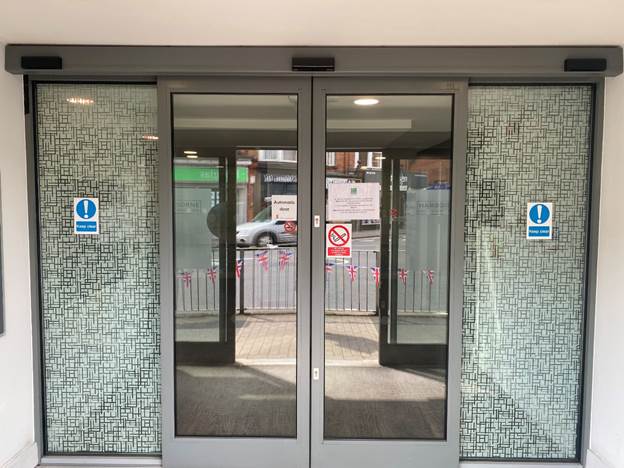
Glass privacy film is one of those upgrades that sounds simpleand it isbut the results depend heavily on choosing the right type for the space. Done properly, it gives you privacy without sacrificing daylight, and it can look as clean as etched glass for a fraction of the cost.
If you’re researching glass privacy film for a bathroom, a street-facing window, or internal office glazing, this guide will help you choose a film that performs well in real-world conditions.
What is glass privacy film?
Glass privacy film is a thin, optically clear layer (usually polyester) thats applied to a pane of glass to reduce visibility through it. Different finishes achieve privacy in different ways:
- Diffusing finishes (like frosted) scatter light and blur shapes.
- Patterned films obscure sight lines while adding a design element.
- Reflective films create a one-way effect in daylight (privacy depends on lighting).
The key point: privacy isnt one-size-fits-all. A film that works perfectly on an internal office partition may not be the right choice for a front window thats overlooked at night.
Why homeowners and businesses choose glass privacy film
Privacy without blocking natural light
Curtains and blinds can solve privacy, but they also block light and can make rooms feel smaller. Privacy film can keep the space bright while reducing visibility.
A cleaner, more permanent look
Many people want privacy without the temporary feel of blinds. A well-installed film looks integrated with the glass.
Cost-effective compared to replacement glazing
Etched glass, sandblasted panels, or new obscure glazing can be expensive. Privacy film is usually a faster, lower-cost alternative.
Useful for internal glass as well as external windows
Glass privacy film isnt just for homes. Its common in:
- Meeting rooms and boardrooms
- Reception areas
- Clinics and treatment rooms
- Schools and colleges
- Internal doors and partitions
The main types of glass privacy film (and when to use each)
Frosted / etched-glass effect film
If you want privacy that works both day and night, frosted film is often the most reliable option.
Best for:
- Bathrooms and en-suites
- Front doors and sidelights
- Internal partitions where discretion is needed 24/7
What to expect:
- Strong privacy at all times
- A soft, bright look that still lets light through
Patterned and decorative privacy film
Decorative films are ideal when you want privacy but also want the glass to look intentional, not just blurred.
Best for:
- Office partitions
- Shopfronts and reception glazing
- Homes where you want a design feature (not just privacy)
What to expect:
- Privacy depends on pattern density
- Great for branding or creating a premium finish
One-way / reflective privacy film (daytime privacy)
This is where expectations matter. Reflective films can deliver excellent daytime privacy, but at night the effect can reduce if the interior is brighter than outside.
Best for:
- Street-facing windows where daytime privacy is the main issue
- Rooms with glare problems (home offices, living rooms)
What to expect:
- Strong daytime privacy
- Night-time privacy may require blinds/curtains
How to choose the right glass privacy film for your situation
1) Decide when you need privacy
Ask yourself: do you need privacy all day and night, or mainly during the day?
- 24/7 privacy: frosted or opaque styles
- Daytime privacy: reflective styles can work well
2) Consider the rooms lighting
Privacy performance changes with lighting. A film that looks private in bright daylight might be less private when the room is lit at night.
3) Think about the viewing distance
If a neighbours window is close, youll usually need a stronger privacy solution than if the nearest sight line is across a road.
4) Choose the look you want
Some people want privacy thats almost invisible (subtle diffusion). Others want a bold frosted finish or a decorative pattern. The best film is the one that fits the property style.
Common mistakes people make with glass privacy film
Choosing reflective film expecting night-time privacy
This is the most common issue. Reflective films are brilliant for daytime privacy, but theyre not a guaranteed night-time solution.
Underestimating prep and cleanliness
Most bubbles are actually dust. Clean glass and a clean environment matter more than people think.
Using the wrong film on the wrong glass
Some glazing types (especially certain modern coated units) can be more sensitive to heat build-up depending on film choice and exposure. If youre unsure, choose a film designed for your glass type and application.
Installation: DIY vs professional fitting
A neat installation is what makes privacy film look premium.
If youre fitting it yourself
- Clean the glass thoroughly (edges and frames too)
- Use a proper slip solution and squeegee
- Work slowly and keep the film wet while positioning
- Trim carefully with a sharp blade
When professional fitting makes sense
- Large panes or awkward access
- High-visibility areas (shopfronts, meeting rooms)
- When you want a flawless finish first time
Final thoughts
Glass privacy film is one of the most practical ways to improve comfort and discretion in both homes and commercial spaces. The best results come from matching the film type to the privacy requirement (daytime vs 24/7), the lighting conditions, and the finish you want.
If you start with those three factors, youll avoid the common pitfalls and end up with a result that looks like it was always meant to be part of the glass.