Navigator Pear: The Complete Guide to Beauty, Growth, and Landscape Value
A graceful tree with strong seasonal colour, compact form, and reliable performance in modern landscapes.

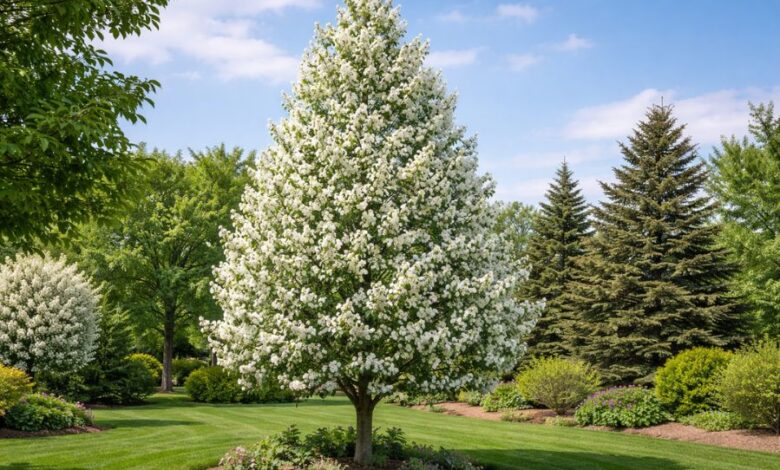
The navigator pear is an elegant ornamental tree admired for its upright shape, bright spring flowers, rich summer foliage, and striking autumn colour. It is a popular choice for homeowners, landscapers, and property developers who want a tree that offers beauty without the trouble often linked with messy fruit production. With its narrow, pyramidal form and cold-hardy nature, the navigator pear fits well in both residential and urban settings, especially where space is limited but visual impact remains important.
Recently, the navigator pear has become a practical, attractive choice for streetscapes, front yards, entrances, and formal gardens. It blends ornamental charm with adaptability, making it reliable in many climates. Anyone seeking structure, seasonal appeal, and easy maintenance should consider this tree.
What Is the Navigator Pear?
A modern ornamental pear with strong visual appeal
The navigator pear is an ornamental pear tree grown mainly for its ornamental qualities rather than for its fruit. Unlike traditional pear trees valued for their fruit, this tree is planted for its tidy growth habit, flowering display, and colourful foliage. It is especially appreciated for maintaining a narrow, upright silhouette that adds height and order to a landscape without taking up too much horizontal space.
Its refined look is perfect where broad trees overwhelm. The navigator pear suits classic or modern gardens. It works as a focal point or in rows for a strong visual impact.
Why does it stand out among ornamental trees?
What makes the Navigator Pear special is its balance of beauty and function. Many ornamental trees look attractive for only one season, but this tree provides interest for much of the year. In spring, it bursts into bloom with clusters of white flowers. In summer, it holds glossy green foliage that looks clean and healthy. In autumn, it changes into rich shades of red, orange, yellow, or burgundy. Even in winter, its upright form adds structure to the bare garden.
Botanical Features of Navigator Pear
Size and shape
The navigator pear matures at 20 to 26 feet high and 12 to 13 feet wide. Its vertical, pyramidal shape fits narrow spaces and still stands out.
Leaves, flowers, and seasonal colour
The leaves of the navigator pear are glossy, dark green, and often heart-shaped, giving the canopy a lush and polished look throughout the growing season. In spring, the tree produces masses of bright white flowers, creating a soft yet dramatic effect. These blossoms can transform the tree into a standout feature in the landscape.
When autumn arrives, the foliage becomes even more impressive. The navigator pear is known for its vivid fall colour, which may range from orange-red to golden yellow, deep red, or burgundy. This seasonal transformation adds warmth and richness to outdoor spaces as many plants begin to fade.
Growing Conditions for Navigator Pear
Light and soil requirements
The navigator pear thrives in full sun. Bright locations support strong growth, flowering, and colour. While tolerant of many soils, it prefers moist, well-drained ground—good drainage keeps roots healthy.
Navigator pear adapts well, unfazed by soil pH. It succeeds as long as the soil drains and sunlight is sufficient.
Cold hardiness and urban tolerance
A key strength is cold tolerance. Recommended for zones 2 or 3, it’s ideal in northern regions where others fail. Its hardiness makes it popular for gardeners needing reliable ornamentals.
The tree also shows good tolerance to urban conditions. It can tolerate pollution better than many other ornamental species, making it valuable for city plantings, roadside landscapes, and commercial properties. This resilience adds to its reputation as both a beautiful and practical choice.
Landscape Uses of Navigator Pear
A smart choice for small and narrow spaces
Its upright habit makes the navigator pear ideal for small gardens, side yards, driveways, and entries. It brings height and elegance without overtaking lawns or paths—offering a refined alternative to large shade trees.
Effective in formal and urban design
The tree’s clean shape works especially well in formal landscaping. It can be planted along property lines, in symmetrical front-yard designs, or near buildings where a controlled shape is desirable. In urban settings, it adds softness and seasonal beauty while maintaining a neat, professional appearance.
A strong focal point in all seasons
Even outside the flowering season, the navigator pear stands out with dense form and glossy leaves. In autumn, colour intensifies for a dramatic effect. Winter keeps its upright silhouette visible when other plants go dormant.
Navigator Pear Care and Maintenance
Watering and feeding
Young pear trees need regular watering to establish roots. When mature, they need less attention, though watering during drought helps. Use balanced fertiliser in early spring for poor soils, avoiding overfeeding to preserve form.
Pruning and general upkeep
Pruning needs are minimal. Best done in late winter, prune after severe cold and before spring growth. Light cuts help shape, remove damage, and improve airflow.
Navigator pear resists fire blight, making it more dependable where disease is a concern. No tree is risk-free, but this resistance boosts its appeal.
Why the Navigator Pear Is a Valuable Landscape Tree
Beauty without the mess
People choose the navigator pear for its charm without the messy fruit. It is ornamental; it produces little fruit that can stain or attract pests—perfect for patios and walkways.
Practical, reliable, and visually impressive
The navigator pear offers structure, colour, and adaptability. Homeowners wanting low-maintenance, year-round value find it a smart choice. Narrow growth suits most sites, and its hardiness makes it useful where options are limited.
Conclusion
The Navigator pear stands out for elegance, durability, and seasonal beauty. Its upright shape, white spring flowers, green summer leaves, and bold fall colours enhance any landscape—front yard, city street, or formal garden—without requiring much care.
For modern landscapes needing both style and performance, the Navigator Pear remains reliable and appealing.
(FAQs)
Is the navigator pear a fruit tree or an ornamental tree?
The navigator pear is mainly considered an ornamental tree. It is grown for its shape, flowers, and foliage rather than for edible fruit production.
How tall does a navigator pear grow?
A mature pear tree usually grows between 20 and 26 feet tall, with a spread of about 12 to 13 feet.
Does the navigator pear produce messy fruit?
It rarely produces the heavy, messy fruit common in some pear trees, which is one reason it is popular in landscape design.
Is Navigator Pear suitable for cold climates?
Yes, the navigator pear is known for strong cold hardiness and is often recommended for zones 2 or 3.
Where should I plant a navigator pear?
It grows best in full sun and well-drained soil. It is especially useful in small yards, urban settings, and areas where a narrow upright tree is needed.