Simone Segouin: The Fearless Heart of the French Resistance
A Story of Courage, Defiance, and Quiet Heroism During World War II

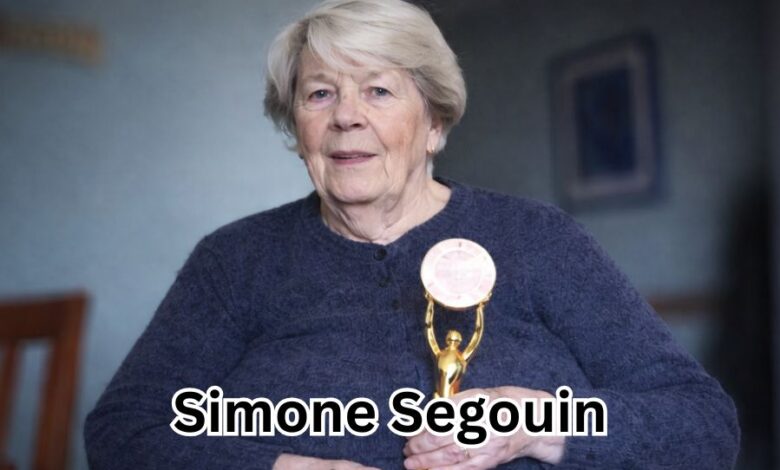
Simone Segouin remains one of the most compelling and inspiring figures of the French Resistance during the Second World War. Her life represents the extraordinary power of ordinary individuals who chose to resist oppression when silence would have been safer. Born into a modest working-class family, Simone Segouin did not inherit influence, rank, or privilege. What she possessed instead was moral clarity, bravery, and a deep love for her country. At a time when Nazi occupation spread fear across France, she stood firm, becoming a symbol of youthful defiance and national dignity.
Her story continues to resonate because it is not shaped by myth or exaggeration. It is grounded in lived experience, sacrifice, and quiet resilience. Simone Segouin’s legacy reminds the world that resistance is often carried forward not only by trained soldiers but also by citizens who refuse to accept injustice.
Early Life and the Path to Resistance
Simone Segouin was born in 1925 in the rural region of Chartres, France. She grew up in a simple household where values such as honesty, independence, and responsibility were central to everyday life. When Germany occupied France in 1940, her adolescence was abruptly replaced by the harsh realities of war. Like many young people of her generation, she witnessed shortages, propaganda, and the gradual erosion of freedom.
Rather than accepting occupation as inevitable, Simone Segouin felt compelled to act. Her decision to join the French Resistance was not driven by ideology or fame but by instinctive patriotism and a sense of moral duty. She understood the risks involved, especially for a young woman, yet fear did not overpower her resolve.
Joining the French Resistance
At just eighteen years old, Simone Segouin formally joined the French Resistance, adopting the code name Nicole Minet. This step marked a complete transformation in her life. She moved from civilian routines into a dangerous underground world defined by secrecy, trust, and constant threat of arrest or execution.
Her youth and gender allowed her to move more freely than many male resistance fighters, an advantage she used with intelligence and courage. She carried messages, transported weapons, gathered intelligence, and participated in sabotage missions. Each task demanded precision and calm under pressure, as a single mistake could result in capture or death.
Acts of Bravery and Direct Combat
Unlike many resistance members who worked solely behind the scenes, Simone Segouin took part in direct combat. She was involved in armed confrontations with German forces and reportedly participated in ambushes and attacks on occupying troops. These actions required not only physical courage but psychological strength, as the consequences of failure were severe.
One of her most notable contributions came during the liberation of Chartres in August 1944. As Allied forces advanced through France, resistance fighters played a crucial role in weakening German defenses. Simone Segouin actively supported these efforts, helping to secure the city and restore French control. Images of her standing proudly with a captured German soldier became emblematic of the resistance spirit and the role of women in the struggle.
The Role of Women in the Resistance
Simone Segouin’s story highlights the often-overlooked contributions of women in the French Resistance. Women served as couriers, spies, nurses, and fighters, frequently operating under the assumption that they were less threatening. This perception allowed them to move unnoticed, but it did not reduce the danger they faced.
For Simone Segouin, being a woman did not limit her participation or determination. She challenged traditional expectations and proved that courage and capability were not defined by gender. Her actions helped reshape how history views women’s roles in wartime resistance and national liberation.
Recognition and Post-War Life
After the liberation of France, Simone Segouin received several honors for her service, including military decorations acknowledging her bravery. Despite this recognition, she did not pursue public attention or political influence. Like many resistance fighters, she returned quietly to civilian life, choosing privacy over celebration.
She worked for many years as a pediatric nurse, dedicating her post-war life to healing rather than fighting. This transition reflected her character, defined not by violence but by responsibility and compassion. Her silence in the decades following the war reinforced the idea that her actions were driven by necessity, not self-promotion.
Legacy and Historical Importance
Simone Segouin’s legacy endures because it captures the human dimension of resistance. Her story is not one of grand strategy or military command, but of individual choice in moments of moral crisis. She represents countless unnamed resistance members who risked everything to defend freedom.
Historians and educators continue to highlight her life as an example of youthful courage and ethical clarity. In an era when misinformation and extremism remain global challenges, her story offers a powerful reminder of the importance of standing against injustice, even when the cost is high.
Why Simone Segouin Still Matters Today
Simone Segouin’s relevance extends beyond the historical context of World War II. Her life raises enduring questions about responsibility, courage, and civic duty. She did not wait for permission to act, nor did she rely on others to define her values. Instead, she made choices grounded in conscience.
For modern audiences, especially younger generations, her story demonstrates that age does not determine impact. Courage can emerge early, and resistance can take many forms. Simone Segouin’s example continues to inspire those who believe that personal action can influence the course of history.
Conclusion
Simone Segouin stands as a timeless symbol of resistance, courage, and humanity. Her life shows that heroism does not require authority or recognition, only conviction and action. By choosing to resist oppression at a young age, she helped shape her country’s future and left behind a legacy that continues to inspire the world.
(FAQs)
Who was Simone Segouin, and why is she important?
Simone Segouin was a French Resistance fighter during World War II known for her bravery, youth, and direct involvement in combat against Nazi occupation. She is important because her story represents the courage of ordinary citizens who chose to resist rather than submit.
What role did Simone Segouin play in the French Resistance?
She served as a courier, intelligence gatherer, saboteur, and armed fighter. She also took part in the liberation of Chartres, contributing directly to the defeat of German forces in her region.
Was Simone Segouin officially recognized for her actions?
Yes, after the war, she received several military honors acknowledging her service and bravery. Despite this recognition, she chose a quiet civilian life rather than public acclaim.
How does Simone Segouin represent women in World War II?
Her life highlights the crucial but often underrepresented role of women in resistance movements. She challenged gender norms and demonstrated that women were equally capable of courage, leadership, and sacrifice.
What can we learn from Simone Segouin today?
Her story teaches the value of moral courage, personal responsibility, and standing against injustice. It reminds us that meaningful change often begins with individual choices made under difficult circumstances.