Richard Lintern: The Quiet Power of a Brilliant British Character Actor
A closer look at the stage and screen career of a performer known for intelligence, authority, and lasting dramatic impact

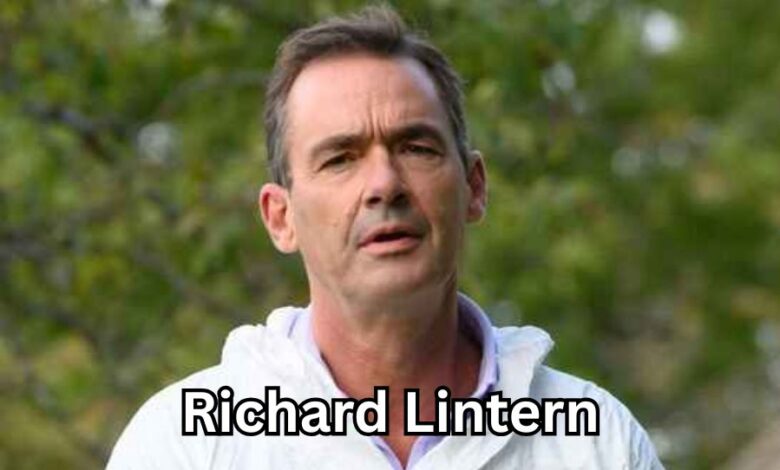
Richard Lintern has spent decades building one of the most dependable and quietly distinguished careers in British acting. Born in Taunton, Somerset, in 1962, he studied English Literature at Durham University. He then trained at the Royal Academy of Dramatic Art. This path helped shape the thoughtful and disciplined presence he later brought to the stage and screen. Over the years, he has become known as an English stage, voice, and screen actor whose work combines restraint, intelligence, and emotional precision.
For many viewers, Richard Lintern is the kind of actor they instantly recognize, even if they do not always know his name at first. That recognition comes from a long list of television dramas, films, and theatre productions. He has consistently added weight and credibility to the story. He is not an actor who relies on exaggeration. Instead, he has built his reputation through careful performances, strong vocal control, and a natural ability to play men of authority, intellect, and inner conflict.
Richard Lintern’s Early Life and Training
From Somerset to serious acting
Richard Charles Lintern was born on 8 October 1962 in Taunton, Somerset, England. Before fully entering the profession, he studied English Literature at Durham University. That academic background matters when looking at his later work. His performances often suggest a deep understanding of language, rhythm, and character psychology. After university, he won a scholarship to RADA, one of Britain’s most respected drama schools. He completed his formal training there.
Why his training shaped his style
Unlike many actors who achieve visibility through one breakout role, Richard Lintern’s journey offers a contrast. His career reflects classical preparation rather than sudden celebrity. This foundation equipped him to move seamlessly between Shakespeare, modern theatre, crime drama, literary adaptation, and historical storytelling without sacrificing his distinct identity as a performer or the measured quality of his acting. As we look at his work on stage, it becomes clear how this background influences each performance.
A Strong Theatre Career Built on Craft
Richard Lintern on the British stage
Before many television audiences became familiar with him, Richard Lintern had already developed a substantial stage career. He has worked with major institutions and venues associated with serious British theatre. These include the Royal National Theatre, the Royal Shakespeare Company, the Royal Court Theatre, Bristol Old Vic, and West Yorkshire Playhouse. Those credits alone place him in a tradition of actors valued for discipline, range, and textual intelligence.
The theatrical qualities he brings to every role
These theatrical skills transition naturally into his screen performances as well. He speaks dialogue with exceptional clarity, carries period roles with confidence, and gives even quiet scenes a sense of purpose. Whether he plays a cultured professional, a senior official, or a man wrestling with moral ambiguity, there is a sense that the character has a full life beyond the page. This depth is a key reason Richard Lintern remains so respected within British entertainment, leading us to examine how he balances authority and vulnerability in his most noted roles.
A performer who understands authority and vulnerability
One of Lintern’s most compelling strengths is his ability to appear authoritative without becoming cold. He is frequently cast as doctors, investigators, officials, or senior figures, but he rarely reduces them to simple symbols of power. Instead, he lets doubt, compassion, weariness, and intelligence show through. This nuanThis nuanced approach has become one of his signature qualities as a character actor and has contributed to his growing success on television.ion Success and Wider Recognition
Richard Lintern in popular British television
Television has introduced Richard Lintern to the broadest audience. Across the years, he has appeared in a wide range of acclaimed productions. These include Silent Witness, The Crown, White Heat, The Shadow Line, Hunted, Lewis, Endeavour, Foyle’s War, Spies of Warsaw, Top Boy, White House Farm, Young Wallander, Professor T, Death in Paradise, Stephen, Nolly, and The Reckoning. This variety shows not only longevity but also remarkable adaptability.
For many viewers, his best-known television role remains Dr Thomas Chamberlain in Silent Witness. In that series, he brought authority, calm intelligence, and a humane center to the role of the head of the Lyell Centre. It was a performance that perfectly suited his strengths. He was credible as a leader, but he also made the character feel emotionally grounded and morally aware. Lintern remained with the show for several years before departing in 2020.
A familiar face in prestige drama
Richard Lintern has also been a strong fit for prestige historical and political drama. His appearances in The Crown and in productions such as Spies of Warsaw and White Heat underscore how effectively he inhabits stories shaped by social pressure, institutional power, and complex personal choices. He has the rare ability to look entirely at home in both contemporary crime drama and richly layered period settings.
Film Work and Screen Range
Richard Lintern in film
Although many viewers know him best from television, Richard Lintern has also built a notable film career. His credits include Jinnah, Syriana, The Bank Job, Page Eight, Clapham Junction, The Gospel of John, Lost Souls, and other projects across different genres and tones. In Jinnah, he played the younger Muhammad Ali Jinnah, while in The Bank Job, he appeared as MI5 officer Tim Everett, showing again how well he suits roles connected to intelligence, secrecy, and official power.
Consistency is what stands out in his film work. Even when not at the center of the plot, Richard Lintern gives scenes a sense of seriousness and texture, never feeling misplaced. This reliability enriches ensembles and prepares us to consider another facet of his career: his notable voice work and professional versatility.
Voice Work and Lasting Professional Value
More than a screen actor
Richard Lintern is also an accomplished voice artist. His voice has been used in commercials and documentary narration. This further proves that one of his greatest assets is vocal presence. A strong voice can transform narration from background sound into an essential part of storytelling. Lintern’s measured, intelligent delivery makes him particularly suited to that work. He has also taken on voice acting in gaming, including a role in the Elden Ring expansion Shadow of the Erdtree.
Why Richard Lintern continues to matter
The reason Richard Lintern remains relevant is simple. He represents the enduring value of craft. In an industry often driven by hype, he stands for something steadier and ultimately more impressive: sustained excellence. He does not depend on trend or noise. He depends on preparation, subtlety, and truthfulness in performance. That is why casting directors continue to trust him. That is also why audiences continue to respond to his work.
Conclusion
Richard Lintern may not always dominate headlines, but his career tells a richer story than celebrity alone ever could. He is a highly skilled British actor whose theatre roots, television success, film appearances, and voice work all point to a performer of unusual control and depth. Across decades of work, he has built a reputation for authenticity, intelligence, and emotional precision.
For anyone interested in British character actors, Richard Lintern deserves serious attention. He represents a model of artistic longevity grounded not in spectacle but in substance. That is precisely what makes his work memorable and why his standing in British stage and screen drama remains so strong.
(FAQs)
Who is Richard Lintern?
Richard Lintern is an English stage, screen, and voice actor born in Taunton, Somerset, in 1962. He is known for his work in British television, theatre, and film.
What is Richard Lintern best known for?
He is widely recognized for playing Dr Thomas Chamberlain in Silent Witness, though he has also appeared in The Crown, The Shadow Line, White Heat, Hunted, and many other productions.
Did Richard Lintern train professionally as an actor?
Yes. He studied English Literature at Durham University and later won a scholarship to train at the Royal Academy of Dramatic Art.
Has Richard Lintern worked in theatre as well as television?
Yes. He has an extensive theatre background and has worked with major British institutions, including the Royal National Theatre, the Royal Shakespeare Company, and the Royal Court Theatre.
What makes Richard Lintern a respected actor?
He is respected for his versatility, refined screen presence, strong voice, and ability to play complex, intelligent, and morally layered characters with great conviction.