Francis Jeffers: A Story of Early Brilliance, Setbacks, and Lasting Influence
From teenage prodigy to respected coach in English football

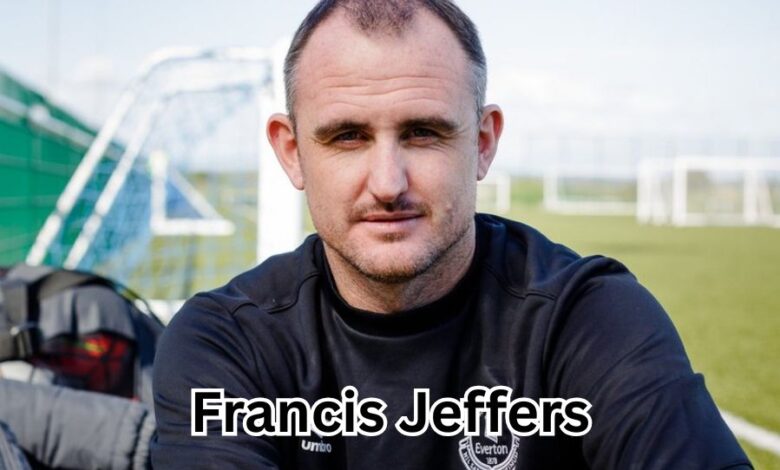
Francis Jeffers is a name that resonates strongly with English football fans, particularly those who remember the excitement surrounding young attacking talents in the late 1990s. Emerging from Liverpool with remarkable promise, Jeffers was widely regarded as one of the most naturally gifted forwards of his generation. His career tells a compelling story of rapid rise, high expectations, complex challenges, and eventual reinvention as a coach. This article explores Francis Jeffers’ life, football career, struggles with injuries, and his continued contribution to the game beyond his playing days.
Early Life and Football Beginnings
Francis Jeffers was born in Liverpool, a city deeply rooted in football culture. Growing up in such an environment shaped his ambitions from an early age. Like many talented youngsters in Merseyside, Jeffers displayed exceptional technical ability and an instinctive understanding of attacking play while still a child. His sharp movement, calm finishing, and intelligent positioning set him apart from his peers.
Jeffers joined the youth system of Everton, where his development accelerated rapidly. Coaches immediately recognized his natural goal-scoring instincts and composure under pressure. These qualities would soon propel him into senior football far earlier than most players his age.
Breaking Records at Everton
A Historic Debut
Francis Jeffers made headlines when he made his professional debut for Everton at just 16 years old. This achievement placed him among the youngest players to ever appear in top-flight English football and marked him as an exceptional talent. His early performances showed maturity well beyond his years, reinforcing the belief that Everton had uncovered a future star.
Becoming a Fan Favorite
As Jeffers gained more first-team opportunities, his reputation grew. He demonstrated a natural ability to score crucial goals and link play effectively with midfielders. Supporters admired his flair, intelligence, and confidence, especially considering his age. At a time when English football was becoming increasingly physical, Jeffers stood out for his technical elegance and footballing intelligence.
High Expectations and a Major Transfer
Move to Arsenal
Jeffers’ impressive performances at Everton attracted attention from some of England’s biggest clubs. Eventually, he secured a high-profile transfer to Arsenal, one of the dominant teams in English football at the time. The move represented both an opportunity and a challenge, as expectations were immense.
At Arsenal, Jeffers found himself competing for places with world-class forwards. While he showed flashes of his ability, consistent playing time proved difficult to come by. The pressure of a hefty transfer fee and limited opportunities made it hard for him to establish rhythm and confidence.
Impact of Competition
The intense competition at Arsenal highlighted one of the defining challenges of Jeffers’ career. While his talent was undeniable, football at the highest level demands not only skill but also physical resilience, tactical adaptability, and sustained confidence. These factors would increasingly shape his journey.
Injuries and Career Challenges
Physical Setbacks
Injuries played a significant role in disrupting Francis Jeffers’ career. Recurrent fitness issues limited his availability and prevented him from building momentum during crucial periods. For a forward whose game relied on sharp movement and timing, these interruptions were particularly damaging.
Loan Spells and Club Changes
Following his struggles at Arsenal, Jeffers experienced several loan spells and permanent moves to other clubs. These transitions offered fresh starts but also brought instability. While he continued to show glimpses of his goal-scoring instincts, inconsistency became a recurring theme.
Despite these challenges, Jeffers maintained a professional attitude and continued to adapt, demonstrating resilience in the face of adversity.
Style of Play and Strengths
Natural Goal Scorer
Francis Jeffers was best known for his instinctive finishing and intelligent positioning inside the penalty area. He possessed a calm demeanor in front of the goal, often choosing placement over power. His ability to read the game allowed him to find space where defenders least expected it.
Technical Intelligence
Unlike traditional physical strikers, Jeffers relied heavily on movement, anticipation, and technique. His football intelligence made him effective in combination play and dangerous during quick attacking transitions. These qualities contributed significantly to the excitement surrounding his early career.
Transition Into Coaching
A New Chapter in Football
After retiring from professional playing, Francis Jeffers transitioned into coaching, a path taken by many former players seeking to remain involved in the sport. His experience at elite clubs and understanding of the pressures faced by young players made him well-suited to a mentoring role.
Developing the Next Generation
As a coach, Jeffers has focused on nurturing young talent, emphasizing technical development, confidence, and mental resilience. His own career experiences have given him valuable insight into the challenges faced by emerging footballers, particularly those dealing with early expectations and setbacks.
Legacy and Influence
Francis Jeffers’ legacy is not defined solely by statistics or trophies. Instead, it lies in his story, a reminder of how unpredictable football careers can be. His early brilliance inspired excitement and hope, while his struggles highlighted the physical and mental demands of professional football.
Today, his continued involvement in coaching ensures that his knowledge and passion for the game are passed on. Jeffers remains a respected figure, particularly among those who value football intelligence, resilience, and personal growth.
Conclusion
Francis Jeffers’ journey through football is a powerful example of talent, expectation, challenge, and perseverance. From a teenage debut that captured national attention to a career shaped by injuries and competition, his story reflects the realities many professional athletes face. Today, as a coach, Jeffers continues to influence the game, proving that contribution to football does not end when playing days are over. His name remains an important chapter in the narrative of English football history.
(FAQs)
Who is Francis Jeffers?
Francis Jeffers is a former English professional footballer and current coach, best known for his time as a forward and for making his professional debut at 16.
Which clubs did Francis Jeffers play for?
Jeffers played for several clubs during his career, including Everton and Arsenal, along with other teams during loan spells and later stages of his playing journey.
Why was Francis Jeffers considered a top prospect?
He was considered a top prospect due to his exceptional technical ability, composure in front of goal, and football intelligence, all of which were evident from a very young age.
What challenges affected Francis Jeffers’ career?
Injuries and inconsistency significantly impacted his career, limiting his ability to maintain form and secure long-term success at the highest level.
What does Francis Jeffers do now?
After retiring as a player, Francis Jeffers moved into coaching, where he continues to contribute to football by developing and mentoring young players.