The Ultimate Guide to Efficient Cooling Systems and Professional Air Conditioning Installation for Long-Term Comfort and Energy Savings

Modern living and working environments depend heavily on indoor comfort, and temperature control plays a central role in achieving that comfort. Whether it is a home, office, or commercial space, an efficient cooling system is no longer a luxury but a necessity in many regions. A properly designed cooling setup improves air quality, enhances productivity, and ensures a healthier indoor environment throughout the year.
One of the most critical steps in achieving effective cooling is air conditioning installation. This process is not just about placing a unit on a wall or rooftop; it involves careful planning, accurate load calculations, proper placement, and professional handling of electrical and mechanical components. When done correctly, it ensures long-term performance, energy efficiency, and reduced maintenance costs.In this detailed guide, we will explore everything you need to know about selecting, preparing for, and maintaining a cooling system setup, along with the key factors that influence performance and efficiency.
Importance of a Proper Cooling System Setup
A well-executed cooling system setup plays a significant role in determining how efficiently your system will perform over time. Many users face issues such as uneven cooling, frequent breakdowns, or high electricity bills, which often result from poor planning during installation.
A professional approach ensures that the system size matches the room requirements, airflow is distributed evenly, and energy consumption remains under control. Additionally, proper insulation, duct placement (if applicable), and positioning of indoor and outdoor units contribute significantly to performance.Another major benefit is durability. Systems that are installed correctly tend to last longer because they experience less strain on components like compressors and fans. This reduces repair frequency and helps users save money in the long run.
Types of Cooling Systems Commonly Used
Before understanding the technical aspects of installation, it is important to know the types of systems available. Each type serves different needs depending on space, usage, and budget.
Split systems are among the most common choices for residential use. They consist of an indoor unit and an outdoor compressor, making them relatively quiet and efficient. Window units are more compact and suitable for smaller spaces, though they may not offer the same efficiency or aesthetics.Central cooling systems are used in larger buildings where a single system distributes cool air through ducts. These systems require careful planning and professional expertise due to their complexity.Portable systems are flexible and easy to move but are generally less powerful. Choosing the right system is the first step toward ensuring successful cooling performance.
Planning and Preparation Before Installation
Proper preparation is essential for achieving optimal results. Before any setup begins, a detailed assessment of the space must be conducted. This includes measuring room size, checking insulation quality, evaluating sun exposure, and determining the number of occupants.Load calculation is another crucial step. It helps determine the cooling capacity required for the space. Undersized systems struggle to maintain temperature, while oversized systems waste energy and cycle on and off too frequently.
Electrical readiness is also important. The wiring must support the load of the system without risk of overload or short circuits. In some cases, upgrades may be required before proceeding with installation.Proper placement of both indoor and outdoor units is equally important. The indoor unit should allow smooth airflow throughout the room, while the outdoor unit must be placed in a well-ventilated area to prevent overheating.
Step-by-Step Installation Process Overview
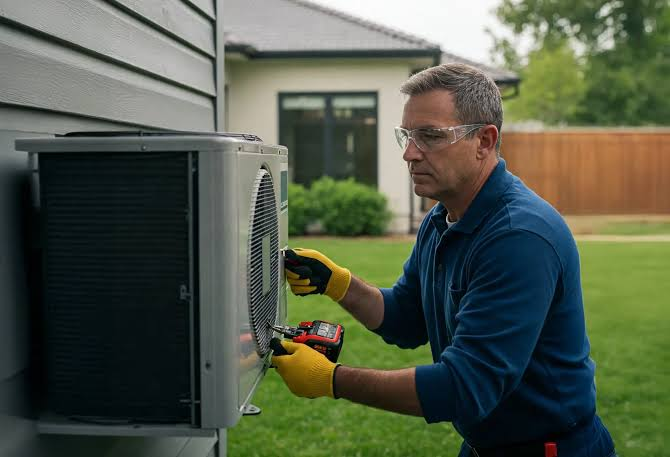
The installation process involves multiple technical steps that must be performed with precision. First, the mounting brackets for the indoor unit are securely fixed to the wall. The position is chosen carefully to ensure balanced airflow and easy maintenance access.Next, a small hole is drilled to connect the indoor and outdoor units through piping and wiring. Refrigerant lines are then installed and properly insulated to prevent energy loss.The outdoor unit is placed on a stable base, ensuring it is protected from excessive heat, rain, and dust. Electrical connections are made carefully, following safety standards to avoid hazards.
After all components are connected, the system is vacuumed to remove moisture and air from the refrigerant lines. This step is essential for ensuring efficient cooling performance.Once everything is in place, the system is tested for leaks, airflow, and temperature output. Any adjustments are made before final approval.
Benefits of Professional Setup
A professionally handled system setup offers several long-term advantages. One of the most important benefits is energy efficiency. When components are installed correctly, the system does not need to work harder than necessary, which reduces electricity consumption.Another benefit is improved air quality. Proper filtration and airflow management help reduce dust, allergens, and humidity levels indoors, creating a healthier environment.
Noise reduction is also a key advantage. A poorly installed unit may produce vibrations or rattling sounds, while a properly installed system operates quietly.Professional setup also ensures warranty protection. Many manufacturers require installation by certified technicians to maintain warranty validity, which protects users from unexpected repair costs.
Choosing the Right System for Your Space
Selecting the right system depends on several factors including room size, climate conditions, and usage patterns. For example, a small bedroom may only require a low-capacity unit, while a large office space may need a centralized solution.Energy efficiency ratings should also be considered. Higher-rated systems may cost more initially but provide significant savings over time.
It is also important to consider future needs. If expansion or increased usage is expected, choosing a slightly higher capacity system can be a smart investment.Noise level, brand reputation, and maintenance requirements are additional factors that should influence your decision.
Maintenance and Long-Term Care
Once the system is installed, regular maintenance is essential for ensuring long-term performance. Filters should be cleaned or replaced periodically to maintain airflow and air quality.The outdoor unit should be kept free from dust, leaves, and debris to prevent overheating. Refrigerant levels should be checked occasionally to ensure optimal cooling efficiency.
Professional servicing at least once a year helps identify potential issues before they become major problems. This includes checking electrical connections, cleaning coils, and testing system performance.Proper maintenance not only extends the lifespan of the system but also ensures consistent cooling performance throughout its usage.
Common Mistakes to Avoid
Many users experience problems due to avoidable mistakes during installation and usage. One common issue is improper sizing of the system, which leads to inefficiency and discomfort.Another mistake is poor placement of units, which can restrict airflow and reduce performance. Ignoring insulation quality also affects cooling efficiency significantly.
Skipping professional assistance is another major error. Attempting DIY installation without proper knowledge can lead to safety risks and system damage.Regular maintenance is often neglected as well, which results in reduced efficiency and higher repair costs over time.
Cost Factors and Value Considerations
The cost of setting up a cooling system varies depending on multiple factors such as system type, capacity, brand, and installation complexity. While cheaper options may seem attractive initially, they often lead to higher long-term expenses due to inefficiency and repairs.
Investing in quality equipment and professional service ensures better performance and reduced operational costs over time. Energy savings, durability, and comfort should always be considered when evaluating overall value.
Conclusion
A well-planned and professionally executed cooling system setup is essential for achieving consistent indoor comfort, energy efficiency, and long-term reliability. From selecting the right unit to ensuring proper placement and maintenance, every step plays a crucial role in overall performance.
Understanding the importance of air conditioning installation helps users make informed decisions that lead to better comfort and lower energy costs. When handled correctly, air conditioning installation ensures that the system operates at its highest efficiency, providing reliable cooling for years to come while minimizing maintenance issues and unnecessary expenses.
Visit: fedex tracking number