Air conditioning systems are among the most important components of modern homes and commercial properties. They provide relief from high temperatures, improve indoor comfort, and help create a healthier living and working environment. During the hottest months of the year, an air conditioning system may operate for many hours each day, making it one of the hardest-working mechanical systems in a building. Because of this constant use, regular AC Maintenance and inspections are essential for ensuring reliable performance, maximizing efficiency, and preventing costly breakdowns.
Many property owners only think about their air conditioning system when it stops working. Unfortunately, waiting until a problem develops often leads to expensive repairs, reduced comfort, and increased energy costs. Preventive maintenance allows potential issues to be identified and corrected before they become serious. By investing in routine inspections and professional servicing, homeowners and business owners can protect their cooling systems while improving long-term performance and reliability.
Why Air Conditioning Maintenance Matters
An air conditioning system consists of numerous interconnected components that must work together to provide efficient cooling. The compressor, condenser coil, evaporator coil, blower motor, refrigerant lines, electrical connections, and thermostat all play important roles in maintaining indoor comfort.
Over time, these components experience wear and tear due to regular operation. Dust, dirt, moisture, and environmental contaminants can also affect system performance. Without proper maintenance, small issues can gradually develop into larger problems that impact efficiency and reliability.
Regular AC Maintenance helps keep the system clean, properly adjusted, and operating according to manufacturer specifications. This proactive approach supports optimal performance while reducing the likelihood of unexpected failures.
Improving Energy Efficiency
One of the most valuable benefits of routine maintenance is improved energy efficiency. A well-maintained air conditioning system requires less energy to cool indoor spaces compared to a neglected unit.
Dirty air filters, clogged coils, and restricted airflow force the system to work harder to achieve desired temperatures. As the workload increases, energy consumption rises and utility bills become more expensive. Over time, even minor efficiency losses can have a significant impact on operating costs.
Professional maintenance includes cleaning critical components, checking airflow, and ensuring that the system functions as efficiently as possible. These services help reduce energy consumption and contribute to lower monthly utility expenses.
Extending the Lifespan of the Cooling System
Air conditioning systems represent a significant investment, making equipment longevity an important concern for property owners. While every cooling system eventually reaches the end of its service life, proper maintenance can help maximize its lifespan.
Neglected systems often experience accelerated wear because components must work harder under less-than-ideal conditions. Dirt buildup, inadequate lubrication, and unresolved mechanical issues place additional strain on the equipment and can lead to premature failure.
Routine inspections and servicing help minimize unnecessary wear by addressing small problems before they affect other parts of the system. As a result, the air conditioner can continue operating efficiently for a longer period, delaying the need for replacement.
Preventing Unexpected Breakdowns
Few situations are more frustrating than an air conditioning failure during a period of extreme heat. Unexpected breakdowns can disrupt daily activities, reduce indoor comfort, and require emergency repair services.
Regular maintenance significantly reduces the risk of sudden system failures. During inspections, technicians examine key components, identify signs of wear, and perform adjustments that help maintain reliable operation.
Potential problems such as loose electrical connections, refrigerant leaks, worn belts, or failing motors can often be detected before they result in a complete breakdown. Early intervention helps prevent inconvenient and costly emergency repairs.
Enhancing Indoor Comfort
A properly maintained air conditioning system provides more consistent and effective cooling throughout the property. When maintenance is neglected, airflow restrictions and declining performance can make it difficult to maintain comfortable indoor temperatures.
Occupants may notice uneven cooling, warm spots, excessive humidity, or longer cooling cycles. These issues can affect comfort levels and reduce satisfaction with the indoor environment.
Routine maintenance helps restore optimal system performance, allowing conditioned air to circulate more effectively. Improved airflow and efficient operation contribute to a more comfortable living or working space.
Improving Indoor Air Quality
Indoor air quality is closely connected to HVAC system performance. Air conditioners circulate and filter air throughout the property, helping remove airborne particles and contaminants.
When filters become dirty or components accumulate dust and debris, indoor air quality may suffer. Pollutants such as dust, pollen, pet dander, and other particles can continue circulating through the building if the system is not properly maintained.
Professional maintenance includes cleaning or replacing air filters and inspecting components that affect airflow and filtration. These services help improve indoor air quality and create a healthier environment for occupants.
Protecting Critical System Components
Air conditioning systems rely on numerous components that must function properly for efficient operation. Compressors, motors, fans, electrical connections, and coils all require periodic inspection and maintenance.
If one component begins to fail, it can place additional stress on other parts of the system. For example, restricted airflow caused by a dirty filter may force the blower motor and compressor to work harder than necessary.
Regular inspections allow technicians to identify and correct these issues before they cause secondary damage. Protecting critical components helps maintain overall system reliability and reduces repair costs.
Maintaining Proper Refrigerant Levels
Refrigerant is essential for the cooling process. It absorbs heat from indoor air and transfers it outside, allowing the system to maintain comfortable temperatures.
Low refrigerant levels can significantly reduce cooling performance and force the system to work harder. Refrigerant leaks may also damage the compressor, one of the most expensive components in the air conditioning system.
During maintenance visits, technicians check refrigerant levels and inspect for signs of leaks. Maintaining the proper refrigerant charge helps ensure efficient operation and protects the system from unnecessary strain.
Reducing Long-Term Repair Costs
Preventive maintenance is often far less expensive than major repairs. Small issues that are identified early can typically be corrected quickly and affordably before they become larger problems.
For example, replacing a worn component during a routine inspection may prevent extensive damage that would otherwise require costly repairs. Consistent maintenance also reduces the likelihood of emergency service calls, which often involve higher expenses.
By investing in regular inspections, property owners can better manage maintenance costs and avoid many of the financial surprises associated with neglected HVAC systems.
Supporting Manufacturer Warranty Requirements
Many air conditioning manufacturers recommend or require routine maintenance as part of their warranty conditions. Failure to maintain the system properly may affect warranty coverage if a major component fails.
Professional maintenance provides documentation that demonstrates the equipment has been serviced according to manufacturer guidelines. This can be valuable if warranty claims become necessary in the future.
Following recommended maintenance schedules helps protect both the cooling system and the investment associated with its purchase and installation.
What Happens During an AC Inspection
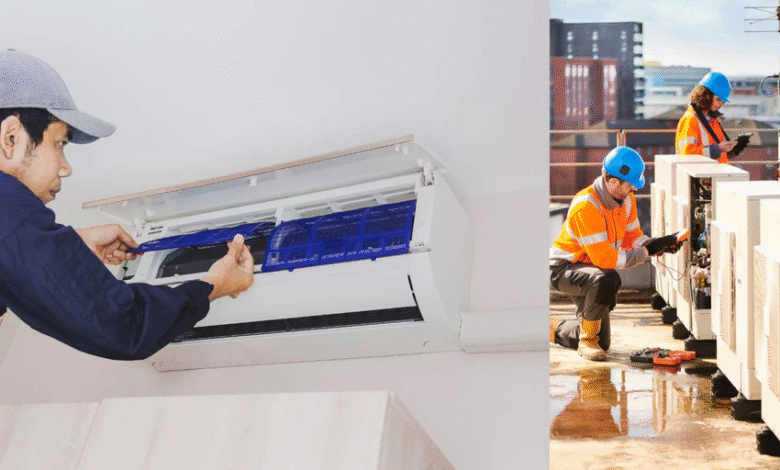
A professional air conditioning inspection involves a comprehensive evaluation of the system’s performance and condition. Technicians typically inspect electrical connections, test system controls, examine refrigerant levels, clean coils, evaluate airflow, and assess overall operation.
The inspection may also include checking thermostat accuracy, measuring system efficiency, inspecting condensate drainage, and identifying signs of wear or damage. These assessments provide valuable insight into the condition of the equipment and help determine whether any repairs or adjustments are needed.
A thorough inspection ensures that the cooling system is prepared to handle the demands of the upcoming season.
The Best Time to Schedule Maintenance
The ideal time for air conditioning maintenance is typically before the cooling season begins. Spring inspections allow technicians to prepare the system for increased summer usage and address any issues that may have developed during periods of inactivity.
Scheduling maintenance before temperatures rise also helps avoid the seasonal rush that often occurs when cooling systems begin experiencing problems during hot weather.
Annual maintenance is generally recommended for most systems, although properties with heavy usage may benefit from more frequent inspections depending on operating conditions.
Environmental Benefits of Regular Maintenance
Efficient air conditioning systems consume less energy and place less demand on power generation resources. By maintaining peak efficiency, routine maintenance helps reduce energy waste and lower greenhouse gas emissions associated with electricity production.
Well-maintained systems also tend to last longer, reducing the environmental impact associated with manufacturing and disposing of replacement equipment. These sustainability benefits make preventive maintenance an important part of responsible property management.
Property owners who prioritize maintenance contribute to both energy conservation and long-term environmental stewardship.
Conclusion
Regular AC Maintenance and inspections are essential for protecting cooling systems, improving efficiency, and ensuring reliable performance throughout the year. By keeping components clean, identifying potential problems early, and maintaining proper system operation, preventive maintenance helps extend equipment lifespan while reducing repair costs and energy consumption.
A well-maintained air conditioning system provides consistent comfort, better indoor air quality, and greater peace of mind during periods of high demand. Rather than waiting for problems to develop, property owners who invest in routine maintenance can enjoy dependable cooling performance and avoid many of the costly issues associated with neglected equipment.
Through professional inspections and ongoing care, homeowners and business owners can protect their cooling systems, maximize efficiency, and ensure long-term comfort for years to come.
Visit: speedpak tracking