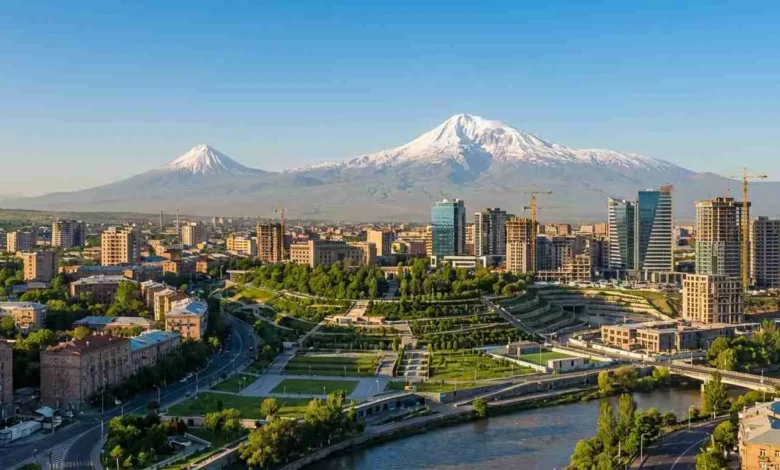
Armenia is about to change the way it welcomes foreign investors. Beginning August 1, 2026, the country will overhaul its entire residency system, introducing for the first time a genuine investment-based fast track to permanent residence. For globally mobile entrepreneurs and investors, it represents one of the more flexible new residency options to emerge in the region.
What’s changing
Historically, Armenia has welcomed foreign entrepreneurs and professionals, but it has never operated a true investment-based residency program. The 2026 reform marks a strategic pivot toward a digital-first system designed to attract capital and modernize migration management. At its center is a new investor fast track that grants immediate permanent residence, issued as a five-year card with renewal options.
The standout feature is flexibility. Under the new framework, qualifying investors receive permanent residence upfront, with no physical-presence requirement to maintain the status. That makes it especially appealing to internationally mobile families, digital nomads, and investors who do not want their residency tied to spending a fixed number of months in-country each year. The new track replaces the outgoing 10-year “special residency” program, and after August 1, 2026, authorities will stop issuing the old special passports, though existing holders keep their status until their documents expire.
For anyone weighing the opportunity, understanding how the new Armenian Residency by Investment pathway will work in practice — and how it differs from the current rules — is the essential first step before committing capital.
What we know, and what’s still pending
It’s important to be precise about the current state of play. As of early 2026, the government has confirmed the structure of the reform and its August 2026 launch date but has not yet published the qualifying investment thresholds or the eligible investment categories. Analysts expect the options may include business formation, capital investment, or real estate, but final confirmation is still pending. This makes 2025 and early 2026 a crucial observation window: serious investors are watching for the official thresholds before finalizing plans.
The reform also preserves continuity in several areas. Temporary residence for business will remain available in one-year increments, with a standard path to permanent residence after three years of documented activity and tax compliance. Ethnic Armenians will continue to have a direct route to permanent status based on heritage, without any investment requirement.
The citizenship question
One open issue deserves attention. Armenia’s general citizenship rules currently require at least three years of permanent residence, with no single absence abroad exceeding six consecutive months. It is not yet clear whether fast-track investor residents will be subject to the same criteria or whether a special or expedited naturalization route will apply to them. Investors with longer-term citizenship ambitions should treat this as a point to monitor closely and confirm before relying on any particular timeline.
Why Armenia, and why now
Beyond the residency mechanics, Armenia’s broader appeal supports the case: a low cost of living, a competitive tax system, a strategically valuable location at the crossroads of Europe and Asia, and access to both the Eurasian Economic Union and a partnership framework with the EU. The program is also expected to extend to family members, allowing investors to secure a long-term base for spouses, children, and in some cases extended relatives.
Planning ahead
Because key details are still being finalized, timing and structure matter. Investors who prepare now — clarifying their objectives, organizing documentation, and structuring any planned business or capital investment in advance — will be positioned to act quickly once the thresholds are published. Working with counsel experienced in Residency by Investment Armenia helps applicants align their investment with whatever categories the government ultimately confirms, avoid missteps during the transition away from the old system, and keep an eye on the unresolved citizenship question. For a program this new, informed preparation is the difference between moving first and waiting on the sidelines.