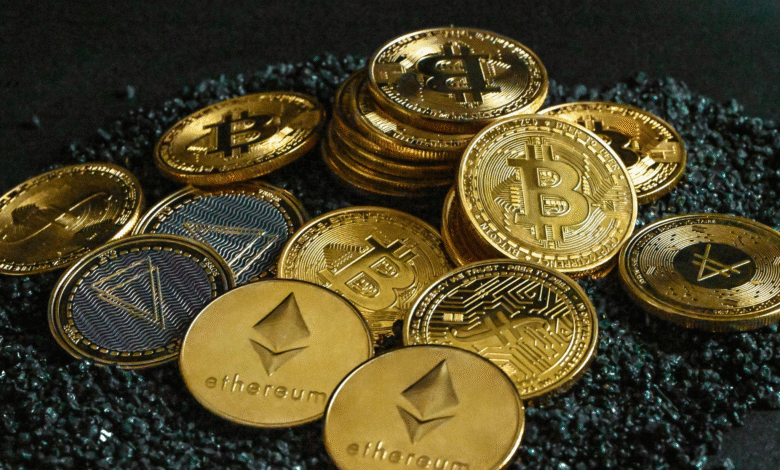
Photo by Traxer on Unsplash
A lot of first-time investors approach crypto and stocks as if they are competing teams. Online discussions tend to push people toward one side or the other, creating the impression that choosing correctly means fully committing to a single direction. In reality, most beginners are not really choosing between technologies or markets. They are trying to understand risk, control, timing, and the emotional experience of handling money in uncertain environments.
That distinction matters because people often focus on the wrong comparisons early on. Price swings and viral success stories dominate attention, while more important questions get ignored. How much volatility can someone realistically tolerate? How much time do they want to spend learning? Do they prefer long-term stability or high-risk speculation? Can they emotionally handle sudden losses without panicking?
The answers to those questions usually shape long-term investing behavior far more than whether someone initially picks crypto or stocks.
Volatility Feels Very Different in Real Life
One thing beginners consistently underestimate is the emotional effect of volatility. Watching investments rise and fall dramatically sounds exciting in theory, but the psychological pressure becomes much harder once real money is involved.
Crypto markets are especially intense in that regard. Prices can move sharply within hours, and emotional reactions tend to follow quickly. Excitement, fear, regret, and impulsive decision-making become difficult to separate from actual strategy. Someone new to investing may think they are comfortable with risk until they experience sudden losses firsthand.
Traditional stock investing can still feel stressful, but the emotional pace tends to be different. Large established companies usually move less aggressively than speculative crypto assets, which gives some investors more room to think calmly and avoid reactive decisions.
That is partly why beginners spend so much time researching comparisons such as crypto vs stocks. The comparison is not just about returns. It is about understanding what kind of investing experience feels psychologically manageable over time.
Time Commitment Matters More Than Beginners Expect
Another major difference involves how actively people want to participate in monitoring markets. Some investments demand far more attention than others.
Crypto culture moves extremely quickly. New projects, technologies, regulations, narratives, and price movements appear constantly. People deeply involved in crypto often spend significant amounts of time following discussions, monitoring sentiment, reading updates, and reacting to market shifts.
That pace attracts certain personalities while exhausting others. Someone who enjoys rapid information flow and active market participation may find crypto exciting. Another person may prefer slower, steadier investing routines that require less emotional energy throughout the week.
Stock investing can also become highly active, especially for traders, but many beginners eventually gravitate toward longer-term approaches involving broader market exposure, retirement accounts, dividend investing, or gradual portfolio building.
The amount of daily attention someone wants to give investing should influence decision-making more than internet hype usually suggests.
Beginners Sometimes Chase Excitement Instead of Strategy

Photo by Art Rachen on Unsplash
A common mistake among new investors is confusing entertainment with financial planning. Fast-moving assets naturally attract attention because dramatic stories spread quickly online. Massive gains feel emotionally compelling even when they involve unusually high risk.
That environment can create unrealistic expectations. Some beginners enter investing assuming rapid wealth accumulation is normal rather than exceptional. When reality becomes slower or more complicated, frustration appears quickly.
The emotional pressure becomes stronger because social media constantly exposes people to screenshots, success stories, predictions, and market reactions. Investing starts feeling competitive instead of personal. People compare themselves to strangers rather than building strategies suited to their own financial goals.
Long-term investing usually looks much less dramatic than internet culture suggests. Consistency, patience, and emotional discipline matter more than chasing whichever asset currently dominates headlines. Beginners who understand that early tend to avoid a significant amount of unnecessary stress.
Risk Tolerance Is More Personal Than People Realize
One reason investment advice often feels confusing is that people naturally project their own risk tolerance onto others. Someone comfortable holding volatile crypto positions during market crashes may struggle to understand why another person prefers slower, steadier investments. Meanwhile, conservative investors may underestimate why some people feel attracted to high-risk opportunities in the first place.
Neither mindset automatically makes someone smarter. The important issue is self-awareness.
Some investors sleep perfectly well during market swings. Others become anxious checking price movements constantly throughout the day. Emotional reactions matter because investing strategies rarely survive long term if they create ongoing psychological stress.
Beginners sometimes focus too heavily on theoretical returns while ignoring how investments affect daily mood and behavior. A strategy that creates nonstop anxiety usually becomes difficult to maintain consistently.
That emotional reality explains why people eventually gravitate toward investment styles matching their personality rather than simply following trends.
Financial Goals Should Shape Investment Choices
Another overlooked factor is that different investments support different goals. Someone building retirement savings over decades may approach risk very differently than someone experimenting with short-term speculation using smaller amounts of money.
Crypto appeals strongly to people interested in innovation, decentralization, and potentially outsized growth opportunities. Stocks appeal to people who prefer ownership in businesses with earnings histories, established financial reporting, and longer-term performance patterns.
Some investors eventually combine both approaches because the goals themselves differ. A person may use traditional stock investing for stability while viewing crypto as a smaller speculative allocation rather than an all-or-nothing decision.
Beginners sometimes feel pressure to declare complete loyalty to one side, but investing rarely works well when treated like identity politics. Financial decisions tend to improve once people stop approaching markets emotionally and start focusing more carefully on actual personal goals.
Patience Usually Matters More Than Picking Sides
One of the biggest misconceptions beginners face is the belief that success comes mainly from choosing the “right” asset category early. In reality, long-term investing outcomes often depend more on behavior than initial selection.
People who panic during downturns, constantly switch strategies, chase trends impulsively, or invest emotionally tend to struggle regardless of whether they choose stocks or crypto. Meanwhile, investors who stay disciplined, continue learning, and think long term usually place themselves in stronger positions over time.
That reality may sound less exciting than dramatic overnight success stories, but it reflects how investing typically unfolds in real life. Wealth-building is usually slower, steadier, and more emotionally demanding than beginners initially expect.
The comparison between crypto and stocks matters, but not because one side automatically guarantees better outcomes. What matters more is understanding which approach fits someone’s goals, emotional tolerance, time commitment, and long-term mindset.