Android or Smart TV: Which Device Do Expat Families Actually Prefer for Watching Live Channels?

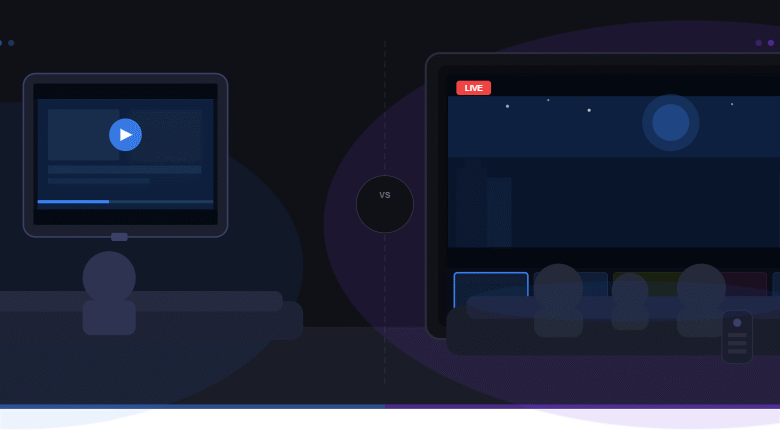
Saturday afternoon in a flat in Stuttgart or Milan: the living room TV is on, the news from Tirana is playing, and someone’s watching an episode of Portokalli on their phone in the kitchen. That split-screen reality is how most Albanian families in Europe actually watch television — not through one device, but across several.
Personal vs. Shared Viewing Patterns Shape Device Choice
Albanian households in diaspora communities often juggle multiple viewing preferences across generations. Grandparents want traditional news programs on the big screen, while teenagers prefer entertainment content on personal devices. This creates a natural division where families use both platforms but for distinctly different purposes.
Smart TV applications (shiko TV shqip) work best when the household can watch s together during evening hours or weekend family gatherings. The large screen and shared remote control suit programs where discussion and commentary are part of the experience. News broadcasts from Tirana, talk shows, and Sunday variety programs work perfectly in this format.
Android devices serve different needs entirely. Family members who want to watch live TV on the phone (shiko TV shqip ne Android) typically do so during commutes, lunch breaks, or late evening hours when the main TV is occupied. The portability allows Albanian content consumption to fit around European work schedules and daily routines without competing for household screen time.
Processing Power and Network Demands Tell Different Stories
Android smartphones and tablets handle Albanian channel delivery through mobile processors that prioritize battery efficiency over raw performance. This works well for standard definition content, but can create limitations during peak viewing hours when network traffic increases. The device relies entirely on the household’s WiFi connection or mobile data allowances, which vary significantly across European countries.
Smart TV applications benefit from dedicated processing units designed for continuous video playback. These devices typically maintain more stable connections to content delivery networks and can handle higher resolution feeds without the thermal throttling that affects mobile devices during extended viewing sessions. The wired Ethernet connections available on most Smart TVs provide more consistent performance than wireless alternatives.
Installation and Family Access Preferences
Smart TV setup requires one family member with technical knowledge to configure the application initially, but once installed, every household member can access Albanian channels without additional device management. The shared nature means channel lists, favorites, and viewing history become communal resources that work for the entire family unit.
Android installation puts control in individual’s hands. Each family member manages their own application, channel preferences, and viewing schedules independently. This appeals to households where different generations have conflicting preferences about which Albanian regions’ programming they want to prioritize, or when work schedules make coordinated viewing impossible.
Geographic and Infrastructure Realities Matter
European broadband infrastructure affects device performance differently across diaspora communities. Albanian families in Germany or Switzerland often have fiber connections that make Smart TV applications perform reliably, while those in older UK housing or Italian rural areas might find mobile devices more practical due to inconsistent fixed-line service.
The mobility factor becomes critical for Albanian families who travel frequently between European countries or visit Albania regularly. Phone apps travel with the user, maintaining access regardless of location, while Smart TV applications remain tied to specific household internet connections and geographic availability.
How NimiTV Addresses Both Device Preferences
NimiTV, the largest and most trusted Albanian media platform in Europe, recognizes that diaspora families don’t choose a single device exclusively. Their technical architecture supports both Android and Smart TV applications with identical channel lineups but interfaces optimized for each platform’s strengths. The Smart TV application emphasizes easy navigation with family-friendly remote controls, while the Android version prioritizes touch-based interaction and offline viewing capabilities for mobile users.
Device preference among Albanian expat families reflects practical viewing habits more than technical specifications. Rather than forcing families to compromise, the platform allows seamless switching between devices based on immediate viewing needs and household dynamics.