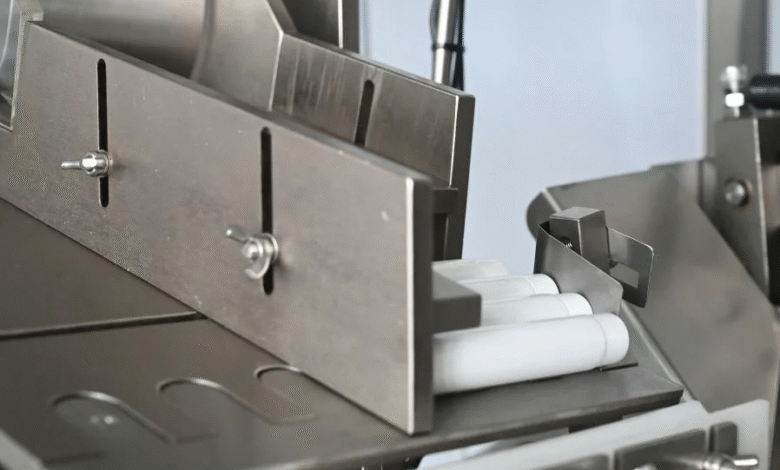
A tube filling machine is one of the most important machines in modern packaging lines. It is used to fill products into tubes in a clean, accurate, and efficient way. These machines are widely used in industries such as cosmetics, pharmaceuticals, food, chemicals, and personal care because many products are packed in plastic, laminated, or aluminum tubes.
From creams and gels to toothpaste, ointments, and lotions, tube-based packaging needs a system that keeps the filling process neat and controlled. Manual work may be suitable for very small batches, but it often leads to uneven filling, product loss, and slower output. A tube filling machine helps businesses improve packaging quality while keeping production more stable.
What Is a Tube Filling Machine?
A tube filling machine is a packaging machine designed to fill semi-liquid, liquid, paste, or cream products into tubes and then seal them properly. The machine handles the product carefully and places a measured amount into each tube before closing the open end through heat sealing, folding, or crimping, depending on the tube material.
This machine is commonly used when the product must be packed in a compact and user-friendly format. Since tubes are popular in many markets, manufacturers need a reliable way to fill them without creating a mess or variation. A good tube filling machine helps maintain product consistency and gives the final pack a cleaner, market-ready appearance.
Why Businesses Use Tube Filling Machines
The main reason businesses invest in tube filling machines is production control. When filling is done by hand, it becomes harder to keep the quantity the same in every tube. There is also a greater chance of spills, weak seals, and wasted material. These problems can affect product quality and brand image.
A machine-based process solves much of this. It keeps the filling cycle more uniform and reduces operator dependency. For growing businesses, this means better output, better pack appearance, and a smoother working process throughout the day. It also helps reduce mistakes during large production runs.
How a Tube Filling Machine Works
The process usually starts with loading the product into a hopper or tank. The product then moves through the filling system and enters the tube in a set quantity. Once the tube is filled, it moves to the sealing section, where the tail end is closed based on the tube type. Some machines also print date codes or batch details during the same cycle.
The full process is designed to repeat accurately over and over again. This is why manufacturers prefer these machines when they want regular output and better speed. A well-designed tube filling machine can support steady production flow, accurate dosing, and improved packaging quality with less waste.
Products Commonly Packed in Tubes
Tube filling machines are very flexible and can work with many product types. They are commonly used for items that need compact packaging and easy customer use.
Common products include:
- Toothpaste
- Face wash
- Cosmetic cream
- Hair gel
- Pharmaceutical ointment
- Hand cream
- Food paste
- Adhesive products
Because of this wide product range, tube filling machines are useful across many industries. One machine can often support several product lines if the formula and tube size are compatible.
Main Types of Tube Filling Machines
Different businesses choose different machines depending on their output level, budget, and production goals. The three main types are manual, semi-automatic, and automatic machines.
Manual Tube Filling Machine
This type is suitable for very small production work or laboratory use. It is low in cost, but it takes more labor and gives lower output. Manual systems are usually not preferred for businesses planning regular commercial production.
Semi-Automatic Tube Filling Machine
A semi-automatic machine is a practical option for small and medium businesses. It gives better filling control than manual systems, while still keeping the cost lower than a fully automatic line. This type is often used by brands that are expanding their packaging operations.
Automatic Tube Filling Machine
An automatic machine is best for large-scale production. It performs tube loading, filling, sealing, and coding with much less manual support. This option is useful for companies that need higher speed and more stable output during long shifts.
Important Features to Look For
Before buying a machine, it is important to look beyond price. A lower-cost machine may seem attractive at first, but poor performance or difficult maintenance can create bigger costs later. The better choice is a machine that matches your product type and production needs.
Important features to check:
- Stainless steel body for cleaner operation
- Adjustable filling volume
- Reliable sealing system
- Easy cleaning design
- User-friendly control panel
- Compatibility with different tube sizes
- Stable filling nozzle performance
These features play a big role in daily production. The right design can save time, reduce waste, and make the machine easier to operate.
Benefits of Using a Tube Filling Machine
One major benefit is better consistency. When each tube is filled with the correct amount, the final product looks more professional, and the customer receives a more reliable pack. That matters a lot in markets where presentation and trust are closely linked.
Another benefit is improved speed. A tube filling machine allows businesses to pack more units in less time compared to hand-filling. It also reduces product contact during filling, which helps support better hygiene in industries such as food, cosmetics, and pharmaceuticals.
Some key advantages are easy to notice during daily production:
- Lower product waste
- Better sealing finish
- Faster packaging output
- Reduced manual handling
- More uniform pack appearance
These points make the machine a strong long-term investment for businesses that want smoother packaging operations.
Industries That Use Tube Filling Machines
Tube filling machines are widely used because tubes are a popular packaging format in many sectors. Cosmetic companies use them for creams, cleansers, and gels. Pharmaceutical manufacturers use them for ointments and medicated creams. Food companies use them for sauces, pastes, and condiments. Chemical businesses also use tube filling systems for adhesives and industrial products.
This wide use shows how important the machine has become in packaging. A reliable tube filling machine can work in different environments as long as it matches the product texture, packaging material, and production target.
Cleaning and Maintenance
Cleaning should never be ignored when choosing a tube filling machine. If product residue stays in the hopper, pipes, or nozzles, it can affect the next batch and lower packaging quality. This is especially important for food, cosmetic, and pharmaceutical products.
Regular maintenance also keeps the machine working properly. Seals, nozzles, heating elements, and moving parts should be checked on time. A machine that is cleaned properly and serviced regularly will usually perform better and last longer.
How to Choose the Right Tube Filling Machine
The right machine depends on several practical factors. You need to think about your product thickness, tube material, production speed, available space, and budget. A business filling thick creams may need a different system than one filling light gel products.
Before buying, focus on these points:
- Your daily production target
- Tube size and tube type
- Product texture
- Manual or automatic preference
- Cleaning needs
- Future business growth
When the machine fits these needs, production becomes easier to manage, and the packaging result improves from the first batch.
Final Thoughts
A tube filling machine is more than just a filling unit. It is a complete packaging support system that helps businesses improve speed, reduce waste, and create better-looking finished products. Whether you are filling toothpaste, cream, gel, ointment, or sauce, the right machine can make a clear difference in your daily production.
For small businesses, it can help move away from slow manual work. For larger factories, it supports better output and stronger line control. Choosing the right tube filling machine means better efficiency, cleaner packaging, and a more professional result in the market.