Melba toast: The Crisp Classic with a Refined Culinary Legacy
Melba toast has evolved from a recovery food to an enduring staple, reflecting the values of classic cuisine: elegance and restraint.

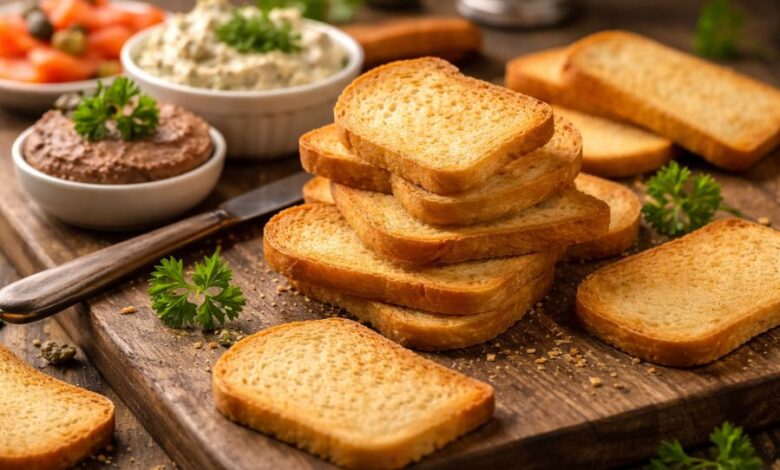
Melba toast is simple yet rich in history and character. Thin, dry, and crisp, it’s linked to elegance, restraint, and European dining. Typically served with soups, salads, cheese, pâté, and spreads, melba toast is more than a crunchy side. It reflects a cooking style valuing balance, texture, and presentation.
Melba toast originated with chef Auguste Escoffier, who reportedly created it in 1897 for Australian opera singer Dame Nellie Melba. The enduring story combines gastronomy, culture, and practicality. First, a light food for recovery, it soon became recognized in fine dining and home entertaining.
What Is Melba Toast?
Melba toast is very thin bread, toasted twice until dry and crisp. Unlike regular toast, which remains soft inside, melba toast is completely dried, resulting in a brittle texture that snaps when eaten. Its crispness makes it ideal for pairing with soft or rich toppings, adding contrast without overpowering other flavors.
After a light first toasting, bread is sliced thin and toasted again to finish drying. The result is a refined, airy crispbread—lighter than crackers and more structured than fresh bread. This balance keeps Melba toast popular in both formal and casual settings.
The History Behind Melba Toast
Auguste Escoffier and Dame Nellie Melba
Melba toast is one of many dishes named for public figures. Dame Nellie Melba was a leading opera star. Chef Auguste Escoffier is credited with creating the toast for her when she needed light, digestible food.
The story matters because Melba toast was made for a purpose: to nourish gently and simply. This intent still shapes its use today.
A Dish That Became a Classic
Melba toast outgrew its original purpose to become a fixture in hotels, restaurants, and homes. Its crisp texture pairs well with cheeses, soups, and canapés, making it versatile and durable even after other foods have faded.
The Escoffier link adds prestige. Foods tied to his name seem authoritative, and Melba toast benefits. On any menu or cheese board, melba toast feels classic and polished rather than plain.
Why Melba Toast Remains Popular
Texture Is Its Greatest Strength
Melba toast remains popular for its distinct texture. It is crisp, not heavy, and adds structure and contrast to soft foods. In cuisine, texture matters as much as taste, and melba toast delivers a clean, dry crunch that enhances other foods.
This texture is especially valuable in appetizers. A creamy cheese or pâté is richer when paired with something thin and crisp. Melba toast is not just a side dish; it enhances the overall dining experience.
Its Flavor Is Mild and Adaptable
Melba toast’s mild flavor is another asset. Its neutral taste pairs well with a wide range of foods—savory items like smoked salmon, cheeses, egg salad, herbed spreads, and lighter toppings. This versatility makes it useful in many kitchens.
In modern dining, people value adaptable foods. Melba toast bridges ordinary bread and specialty crackers, offering a classic, refined option.
How Melba Toast Is Traditionally Served
With Soups and Salads
Traditionally, melba toast is served with soups and salads. Its dry crispness contrasts with hot soup or fresh salad, adding substance without making the meal too filling.
With Cheese, Pâté, and Spreads
Melba toast is often topped with soft cheese, liver pâté, mousse, butter, tuna spread, or other savory mixtures. The crisp toast forms a stable base while letting the topping stand out.
A Natural Choice for Entertaining
Because it is neat and elegant, melba toast is common on appetizer platters and charcuterie boards. It feels more sophisticated than standard toast and lighter than most crackers, making it popular for tea tables, receptions, and gatherings.
Melba Toast in Modern Food Culture
Despite its origins in the nineteenth century, melba toast suits today’s food habits. People appreciate foods that are light, crisp, and easy to serve. It stands out in a world of bold snacks by offering restraint, balance, and texture.
Melba toast’s place in stores and recipes shows that some traditional foods meet timeless needs. It is an elegant, crisp base for toppings or a light side with soup and salad—still practical and rooted in history.
Can Melba Toast Be Made at Home?
A Simple Yet Careful Process
Melba toast can be made at home with care. Lightly toast bread, slice it thin, then toast again until crisp. Uniform thinness is key for even drying and maintaining a delicate texture.
Home cooks value the flexibility of making melba toast. White bread produces a traditional result; whole grain adds a nuttier note. Regardless of bread, Melba toast must be thin, dry, and crisp.
Why Homemade Versions Appeal to Many Cooks
Homemade melba toast appeals to cooks seeking freshness and control. Thickness, color, and crispness can be customized. It transforms plain bread into something elegant.
The Enduring Appeal of Melba Toast
Melba toast endures for its blend of history, simplicity, and utility. It ties to a notable culinary moment, yet feels timeless. Its crisp texture and mild taste suit many dishes, and the Escoffier link adds prestige.
In a world of shifting food trends, Melba toast endures by serving its purpose well. It needs no heavy seasoning, modern branding, or reinvention. Its appeal lies in precision and understatement, so it appears in both refined dining and home kitchens.
(FAQs)
What is Melba toast made from?
Melba toast is typically made from thin bread slices that are toasted twice until very dry and crisp. The bread may be white, whole wheat, or another mild variety, but the defining feature is its delicate crunch.
Why is it called Melba toast?
Named for opera singer Dame Nellie Melba, the toast is credited to chef Auguste Escoffier, who created it for her in 1897.
Is Melba toast the same as regular toast?
No, Melba toast is different from regular toast because it is sliced thinner and toasted again to remove more moisture. This gives it a much crisper and lighter texture than ordinary toasted bread.
What foods go well with Melba toast?
Melba toast pairs well with soups, salads, cheese, pâté, smoked fish, or savory spreads. Its mild taste suits simple and elegant dishes.
Is Melba toast still popular today?
Yes, Melba toast remains popular because it is light, crisp, versatile, and associated with classic cuisine. It continues to be used in appetizers, cheese boards, and refined table settings.