Foenegriek: The Ancient Herb with Modern Health and Culinary Value
A complete guide to fenugreek’s uses, benefits, flavor, and growing global popularity

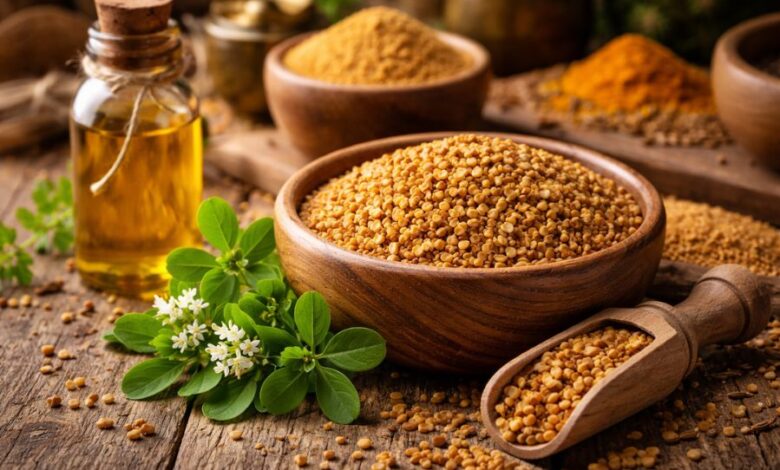
Foenegriek, more widely known in English as fenugreek, is a plant that easily connects food, tradition, and wellness. Known scientifically as Trigonella foenum-graecum, it has been valued for centuries across Asia, the Middle East, North Africa, and Europe. Today, foenegriek is celebrated for both its flavor and its associations with herbal remedies and natural living.
Its appeal begins with its unusual character. Foenegriek seeds have a slightly bitter, warm, nutty flavor and a sweet aroma, often compared to maple syrup. The leaves, whether fresh or dried, bring a gentle earthy depth to dishes. That combination of fragrance, taste, and traditional reputation has helped the herb remain relevant from ancient kitchens to modern health discussions.
What Is Foenegriek?
Foenegriek is an annual plant from the legume family. It produces small, green leaves, pale flowers, and golden-brown seeds, which are most commonly used in cooking and herbal preparations. While the seeds are famous for their strong scent and medicinal associations, the leaves are also widely appreciated, especially in South Asian and Middle Eastern cuisine.
Foenegriek has long been used in bread, curry blends, stews, teas, and pastes. Its place in traditional healing is equally notable, supporting digestion, overall vitality, women’s health, and recovery. This reputation makes fenugreek well-known in the natural wellness space.
The History of Foenegriek
Foenegriek is not a modern superfood invention. It has deep roots in ancient civilizations. The plant was known in parts of the Mediterranean and the Near East thousands of years ago. It was cultivated for both culinary and agricultural purposes, and in some cultures it was even used as animal fodder, which explains part of its Latin name.
Over time, fenugreek spread through trade and regional cuisines. In India, it became a staple in spice mixtures and household remedies. In North Africa, the Middle East, and Europe, it was valued in both food and herbal traditions. Its history gives foenegriek unique cultural importance.
Flavor, Aroma, and Culinary Identity
One reason foenegriek stands out is its unmistakable aroma. The seeds have a powerful scent that many people describe as similar to maple syrup, caramel, or mild curry. This distinctive smell comes from natural compounds within the plant. Once cooked, the seeds become warmer and deeper in flavor, with a balance of bitterness and sweetness.
How Foenegriek Is Used in Cooking
Foenegriek seeds are often toasted before being ground or added to dishes, softening their bitterness and enhancing complexity. They appear in spice blends, pickles, sauces, and lentil recipes. In Indian cuisine, fenugreek seeds are used in curries and masalas, while the dried leaves are used to flavor breads, vegetables, and creamy gravies.
Fresh leaves are cooked like greens, while dried leaves add concentrated aroma to dishes. In some kitchens, foenegriek is also brewed as tea or added to infused water.
Why Chefs and Home Cooks Value It
Foenegriek adds both flavor and identity. A small amount transforms dishes. Its earthy warmth complements garlic, cumin, coriander, turmeric, and chili. This versatility makes it popular in both traditional and modern cooking as interest in bold flavors grows.
Nutritional Value of Foenegriek
Foenegriek is appreciated not only for its taste but also for its nutritional makeup. The seeds contain fiber, plant compounds, protein, and a variety of naturally occurring nutrients. Although it is not usually eaten in very large quantities, its concentrated composition contributes to its reputation as a functional herb.
The fiber in fenugreek is a key reason it is associated with digestive support. The seeds also contain plant chemicals that interest herbal and nutritional researchers. This does not make fenugreek a miracle cure, but it does explain its lasting place in traditional health practices.
Traditional and Modern Health Uses
Foenegriek has long been included in traditional wellness systems. While modern science continues to study many of its properties, its widespread use is supported by historical practice rather than conclusive clinical evidence. This historical prominence helps explain its enduring popularity.
Digestive Support
One of the most common traditional uses of foenegriek is for digestive comfort. Because the seeds contain soluble fiber and mucilage, they are often associated with soothing the stomach and supporting regular digestion in herbal traditions. For example, fenugreek tea or soaked seeds have been used to ease mild digestive discomfort. These uses are traditional, with modern medical research still ongoing.
Blood Sugar and Metabolic Interest
Fenugreek is frequently discussed in conversations about blood sugar balance and metabolic wellness, especially among those interested in natural dietary support. These discussions are informed by traditional use and ongoing research; fenugreek should not replace professional medical care. Its potential benefits continue to attract attention, but findings are not yet definitive.
Women’s Health and Recovery
In some cultures, foenegriek has been used in postpartum recovery and herbal wellness preparations, supporting appetite and recovery after illness or fatigue. These traditional associations contribute to its recognition.
Foenegriek in Herbal and Natural Medicine
Foenegriek’s reputation in natural medicine comes from its tradition, accessibility, and versatility. It can be used as seeds, powder, capsules, tea, or leaves, making it easy to add to routines.
Common Forms of Use
Some people soak seeds overnight and eat them in the morning, while others prefer powdered fenugreek in drinks or food. Dried leaves are mainly used for cooking, but they also add value.
A Word of Balance
Like many herbs, foenegriek should be used thoughtfully. Its strong taste and active plant compounds may make it unsuitable for everyone. Moderation and informed use are always wise, especially when taken regularly in concentrated form.
Why Foenegriek Still Matters Today
In an age when many ingredients become trends overnight and disappear just as quickly, foenegriek has remained relevant because it offers something deeper than novelty. It has history, practical value, recognizable flavor, and cross-cultural significance. It belongs to the growing movement toward ingredients that serve multiple purposes.
People seek nourishing foods, traditions, and kitchen staples with depth. Foenegriek meets all three needs and suits curries, teas, wellness pantries, and gardens, making it a lasting choice.
How to Add Foenegriek to Daily Life
Foenegriek is easier to use than many people think. The seeds can be added in small amounts to soups, lentils, vegetable dishes, and spice blends. The leaves can be stirred into flatbreads, sauces, and rice preparations. Even a pinch can create a noticeable shift in flavor.
For new users, a small amount is best, as fenugreek’s distinctive taste can be intense if overused. Once familiar with it, cooks often use it regularly.
Conclusion
Foenegriek is far more than a traditional herb with an unusual name. It is a plant with culinary depth, nutritional interest, and a long record of cultural importance. From ancient kitchens to modern wellness conversations, fenugreek has earned its place as one of the world’s most versatile herbs.
Its warm aroma, strong character, and uses make it valuable for cooks and herbal enthusiasts alike. In a fast-changing food world, foenegriek stands apart for its proven value over centuries.
(FAQs)
What is foenegriek in English?
Foenegriek is called fenugreek in English. Its scientific name is Trigonella foenum-graecum.
What does foenegriek taste like?
Foenegriek has a slightly bitter, nutty, and warm flavor. Its aroma is often compared to maple syrup, curry, or caramel.
Is foenegriek used in cooking?
Yes, foenegriek is widely used in cooking. The seeds and leaves are both used in curries, spice blends, breads, teas, and vegetable dishes.
Is foenegriek considered healthy?
Foenegriek is valued for its fiber and plant compounds, and it has a long history in traditional wellness practices. It is often included in diets focused on natural and functional ingredients.
Can foenegriek be used every day?
Many people use foenegriek regularly in food, especially in small culinary amounts. As with any herb or spice, balanced use is the best approach.
Why does foenegriek smell like maple syrup?
Foenegriek contains natural aromatic compounds that create a sweet scent similar to maple syrup, especially when the seeds are warmed or cooked.