The college application season brings a unique kind of pressure. High school seniors face the daunting task of summarizing their entire lives, ambitions, and personalities into a few hundred words. Students often stare at a blank screen, waiting for inspiration to strike, only to feel paralyzed by the weight of the admissions process.
Finding the right story is rarely a solo endeavor. Many applicants turn the internet for guidance, searching for the perfect formula or template. They watch countless pre-recorded videos and read endless lists of generic tips. However, these resources usually lack the personalized feedback necessary to craft a truly memorable narrative.
Authentic writing requires more than just following a checklist. It demands genuine reflection and active dialogue. By shifting away from passive learning and embracing a collaborative environment, students can uncover the unique stories that will make their applications stand out to admissions committees.
Moving Past Passive Learning
Most online writing resources offer a one-sided experience. A presenter talks at a screen, clicking through a slideshow of tips that you could easily find on any college preparation blog. They tell you to show your reader rather than tell them, or they insist that you just be yourself. Unfortunately, they never actually help you figure out what that looks like in practice. This passive format leaves students feeling just as lost as they were before they logged on.
Formulas do not produce great personal statements. Admissions officers read thousands of applications every year. They can easily spot a response that was reverse-engineered from a rigid template. What they actually want to see is the student’s genuine character, voice, and perspective. Achieving that level of authenticity requires a fundamentally different approach to the brainstorming and drafting process.
A Collaborative Approach to Personal Narratives
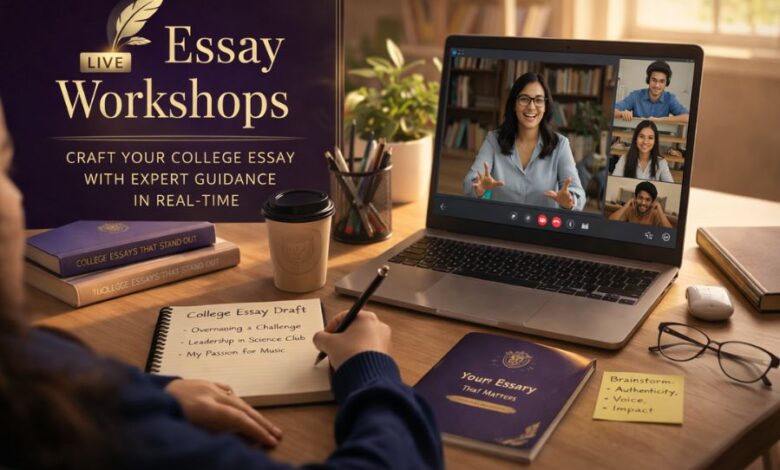
Instead of sitting through another lecture, students benefit immensely from interactive, hands-on environments. This is exactly where the Real Essay Lab comes into play. By focusing on live conversation and immediate feedback, this format completely redefines how students tackle their personal statements. Participants turn their cameras on, share their raw ideas, and engage in real-time writing exercises.
Experiencing a Real Essay Lab means working directly with highly qualified instructors who understand the nuances of personal storytelling. These coaches, often PhD-level writers and published authors, do not simply hand out generic advice. They ask probing questions that prompt students to dig deeper into their own experiences. Through this guided reflection, applicants identify the specific moments that highlight their core strengths.
The Power of Small Groups
Large webinars make it easy for individuals to hide in the background. To foster true creative discovery, the environment must be intimate and supportive. Limiting a session to around ten participants ensures that everyone has the opportunity to speak, share, and receive personalized attention.
In a small setting, students also learn from one another. Hearing a peer workshop an idea can spark a new train of thought or provide a fresh perspective on a common challenge. This collaborative dynamic transforms the solitary act of writing into a shared journey of discovery.
Targeting Specific Application Requirements
Different colleges require different types of writing. A personal statement for a private university often demands a distinct tone compared to the responses required by public university systems. Recognizing these differences is crucial for a successful application strategy.
Shaping the Common App Narrative
The Common Application essay is typically a broad, narrative-driven piece. Students must identify a core story that reveals their fundamental character. The challenge lies in building a natural narrative arc that feels authentic rather than forced.
During summer preparation sessions, the focus is entirely on finding and shaping this central story before the chaos of senior year begins. Instructors help students brainstorm potential topics, ensuring they avoid cliché subjects that admissions officers see repeatedly. The goal is to establish a strong, confident voice early in the process.
Mastering the UC Personal Insight Questions
The University of California system uses Personal Insight Questions, which require a much more direct and informative tone. These essays are not the place for flowery prose or dramatic storytelling. Instead, they demand clarity, depth, and thoughtful reflection on specific accomplishments or challenges.
Fall preparation sessions typically shift focus to these specific requirements. Students learn how to translate their resume bullet points into meaningful insights. They practice writing responses that showcase their individuality while directly answering the prompt provided by the university system.
Why Authenticity Matters to Admissions Officers
Every year, highly selective universities receive tens of thousands of applications from students with near-perfect academic records. When grades and test scores look identical on paper, the personal essay becomes the primary differentiating factor. Admissions officers use these essays to build a diverse, dynamic incoming class.
A common mistake applicants make is trying to write what they think the committee wants to read. This usually results in a stiff, overly formal tone that strips the essay of its personality. True authenticity means writing in your own voice, using words you would actually use in daily life, and reflecting honestly on your personal growth. When a student writes genuinely, their passion and character shine through, making a lasting impression on the reader.
Focusing on Tangible Outcomes
The ultimate goal of any writing workshop should be progress. While students might not walk away with a perfectly polished, ready-to-submit essay after just ninety minutes, they achieve something far more valuable. Breaking the initial writer’s block is often the hardest part of the entire application process, and these sessions provide the necessary momentum.
By participating in an interactive session, students typically leave with a clear plan of action. This might take the form of a viable essay topic, a detailed outline, or even a rough opening paragraph. They also receive post-session templates and next-step guides to maintain their momentum. More importantly, they walk away with a concrete understanding of what an authentic, memorable essay actually sounds like.
Frequently Asked Questions About Interactive Writing Sessions
Do participants need to prepare anything in advance?
No prior preparation is necessary. Students do not need a finished draft or even a topic idea before attending. Bringing an open mind and a willingness to participate in the conversation is the only requirement. The entire purpose of the collaborative environment is to help applicants discover the story only they can tell.
Are these interactive sessions recorded for later viewing?
To protect the privacy of the students and foster a safe, creative space, live workshops of this nature are kept strictly confidential and are not recorded. This policy allows participants to think freely, experiment with vulnerable topics, and share their ideas without any pressure or fear of judgment.
Can schools or organizations arrange private sessions?
Absolutely. Many high schools and college access programs arrange private, dedicated workshops for their specific student bodies. This ensures that their seniors receive high-quality coaching tailored to their specific curriculum and college counseling goals.
Taking Control of Your College Admissions Journey
Writing a college essay does not have to be an isolating, frustrating experience. By stepping away from generic advice and embracing a collaborative, guided approach, you can find the stories that truly reflect who you are. The key is to start early, engage actively, and trust your unique voice.
If you are ready to stop staring at a blank screen and start writing with confidence, seek out interactive workshops that prioritize real conversation. Look for opportunities to work with experienced coaches who care about your narrative. By joining a mailing list or waitlist for upcoming live sessions, you can secure your spot and take a significant step toward a successful college application season.