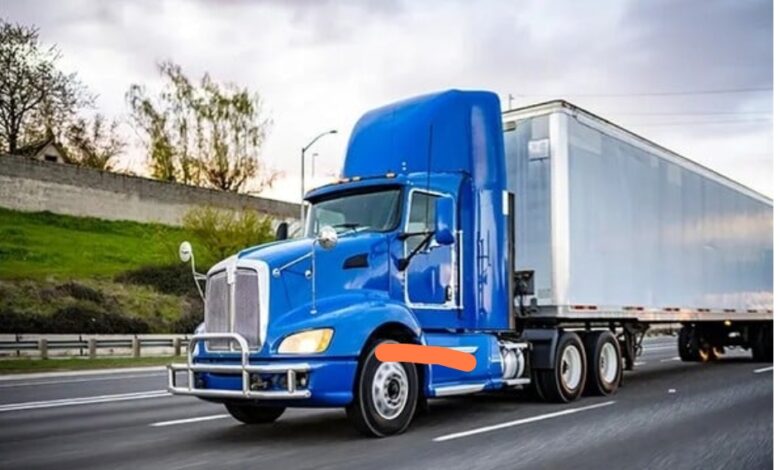
Operating a reefer truck can be highly profitable, but only if you have a consistent flow of loads. Unlike dry vans, refrigerated freight requires more precise coordination, strict temperature control, and reliable scheduling. For owner-operators and small fleets, understanding how to secure steady reefer loads is essential to maximizing revenue and minimizing downtime.
Understanding the Reefer Freight Market

Reefer trucking focuses on transporting temperature-sensitive goods such as food, pharmaceuticals, and other perishable products. This sector remains in constant demand, especially in industries like grocery distribution and agriculture. However, because of its specialized nature, it also comes with higher expectations from shippers and brokers.
To succeed, drivers must maintain equipment in excellent condition, ensure on-time deliveries, and comply with safety and temperature regulations. These factors directly impact your ability to secure repeat loads and build long-term relationships within the industry.
Best Ways to Find Reefer Loads
There are several effective ways to find reefer freight. Load boards are often the starting point for many drivers. Platforms like DAT and Truckstop allow you to search for available loads based on location, equipment type, and rate preferences. However, competition on these platforms can be intense.
Another approach is to work directly with freight brokers or shippers. Building relationships with reliable partners can lead to consistent work and better rates over time. Networking, referrals, and maintaining a strong reputation all play a key role in this process.
For many drivers, partnering with a professional reefer dispatcher can significantly simplify the process. Dispatchers handle load sourcing, rate negotiations, and scheduling, allowing drivers to focus on the road instead of constantly searching for freight.
Maximizing Profit with Smart Load Selection
Not all loads are created equal. To maximize profitability, it’s important to evaluate each opportunity carefully. Factors such as distance, deadhead miles, fuel costs, and detention time should all be considered before accepting a load.
Reefer freight often includes additional charges such as fuel surcharges or detention fees, but it can also involve longer wait times at loading docks. Smart planning and route optimization can help reduce inefficiencies and increase overall earnings.
Additionally, staying flexible with routes and being open to different regions can improve your chances of finding higher-paying loads. Seasonal demand, especially in produce transportation, can also create opportunities for increased revenue.
The Role of Technology and Dispatch Support
Technology plays a major role in modern trucking. GPS tracking, load management systems, and real-time communication tools help drivers stay organized and efficient. However, managing all these aspects alone can be overwhelming.
This is where dispatch services become especially valuable. A skilled dispatcher not only finds loads but also ensures better route planning, minimizes empty miles, and negotiates competitive rates. This level of support can make a significant difference, particularly for independent drivers looking to scale their operations.
Conclusion
Getting consistent loads with a reefer truck requires a combination of strategy, reliability, and the right partnerships. Whether you rely on load boards, build direct relationships, or work with a dispatcher, the goal is to create a steady workflow that keeps your truck moving and profitable.
By focusing on efficiency, maintaining high service standards, and leveraging professional support when needed, reefer truck operators can position themselves for long-term success in a competitive market.